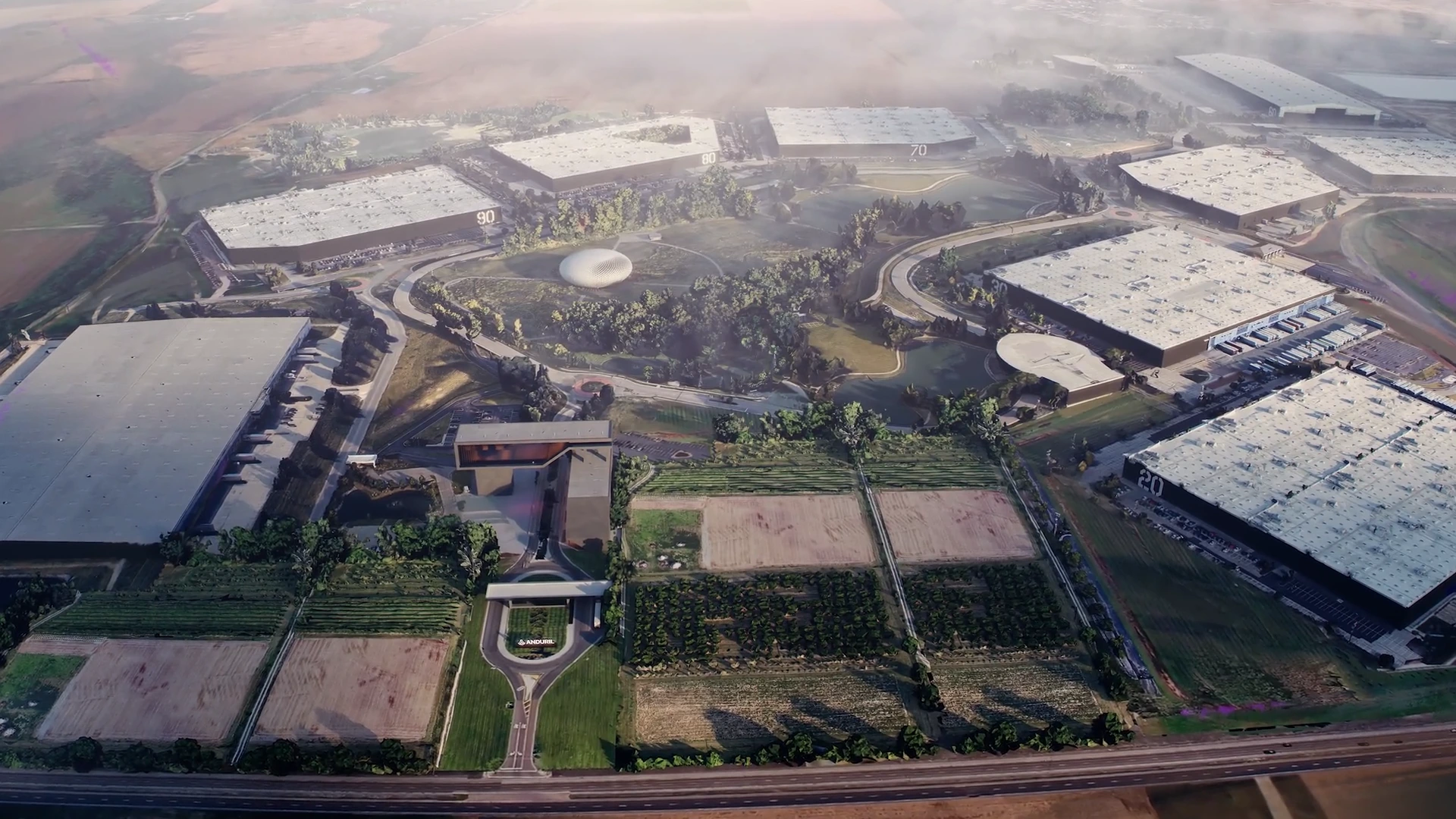
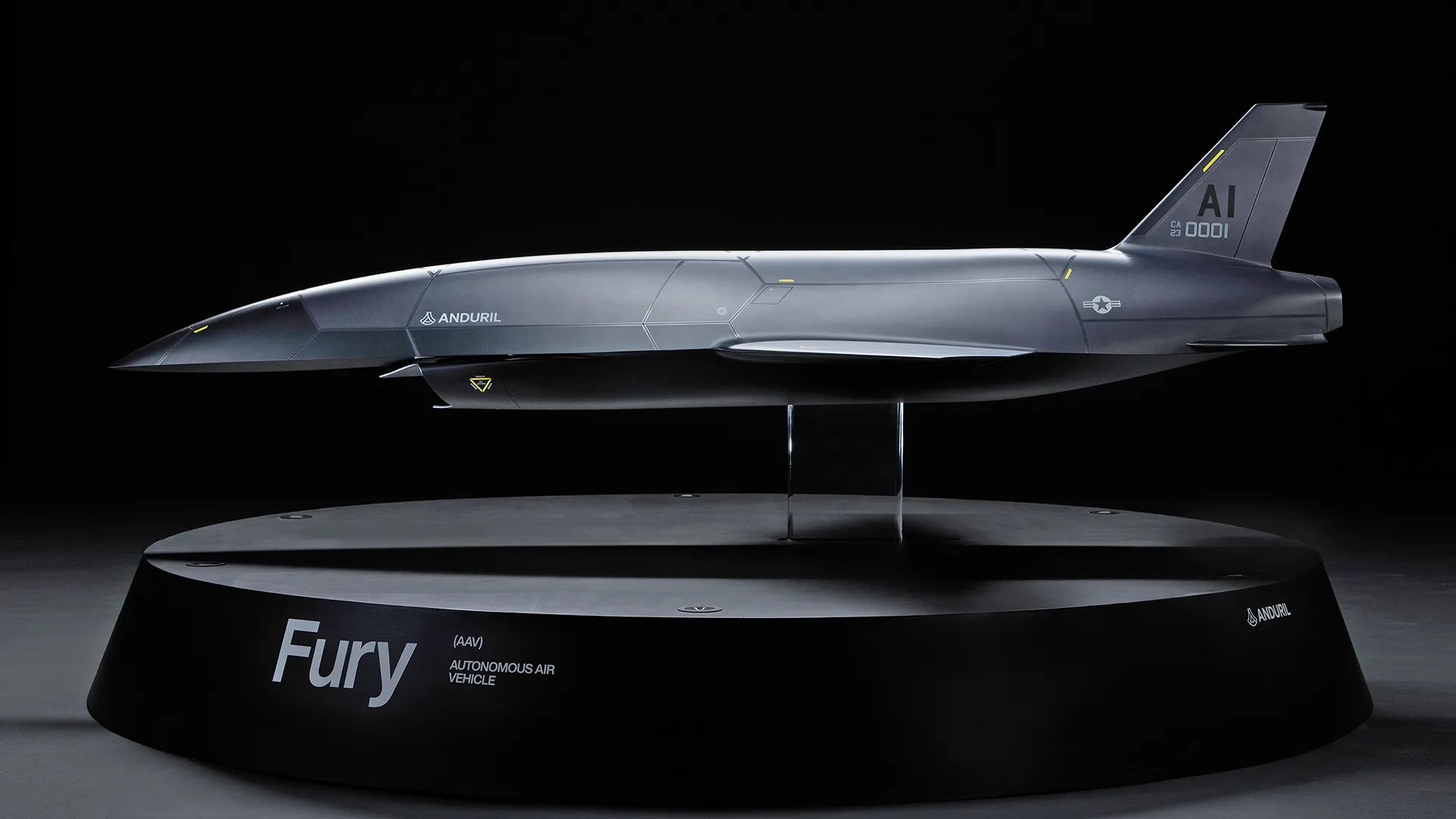
Anduril has started production of its Fury collaborative combat aircraft at its new Arsenal-1 facility, with plans to scale output to 150 aircraft per year.
The facility is designed around one constraint: speed. Not just building drones, but compressing the time between design, production, and deployment.
A factory built for throughput, not perfection
Arsenal-1 is expected to grow into a 5 million square foot campus with over 4,000 jobs and a total investment of around $900 million. Initial production lines are already active, with more systems — including Roadrunner and Barracuda — moving in over the next year.
At full capacity, the Fury line can produce 50 aircraft per year per shift. With three shifts, that reaches 150 annually.
Early production is intentionally manual. Workers move with the aircraft through a 22-station line, refining the process before introducing automation. The layout can be reconfigured as needed, allowing the same floor to support multiple products.
This is less about optimizing a single system and more about building a repeatable production model.
Designing hardware around manufacturing from day one
Anduril’s approach starts before the factory. Products are designed to be manufacturable, scalable, and repairable from the outset.
That reduces friction later. Fewer redesign cycles. Faster ramp.
The company connects this process through its internal software stack, ArsenalOS, which links design, engineering, supply chain, and factory operations into a single system. The goal is to remove handoffs between stages that typically slow defense programs down.
It is a software-defined approach to hardware production.
Speed is the product
Executives framed the problem directly: modern defense systems take too long to move from concept to deployment.
Anduril is trying to compress that cycle. The company says it can bring a facility online in 14 months and have production running within 18.
That is closer to commercial manufacturing timelines than traditional defense programs.
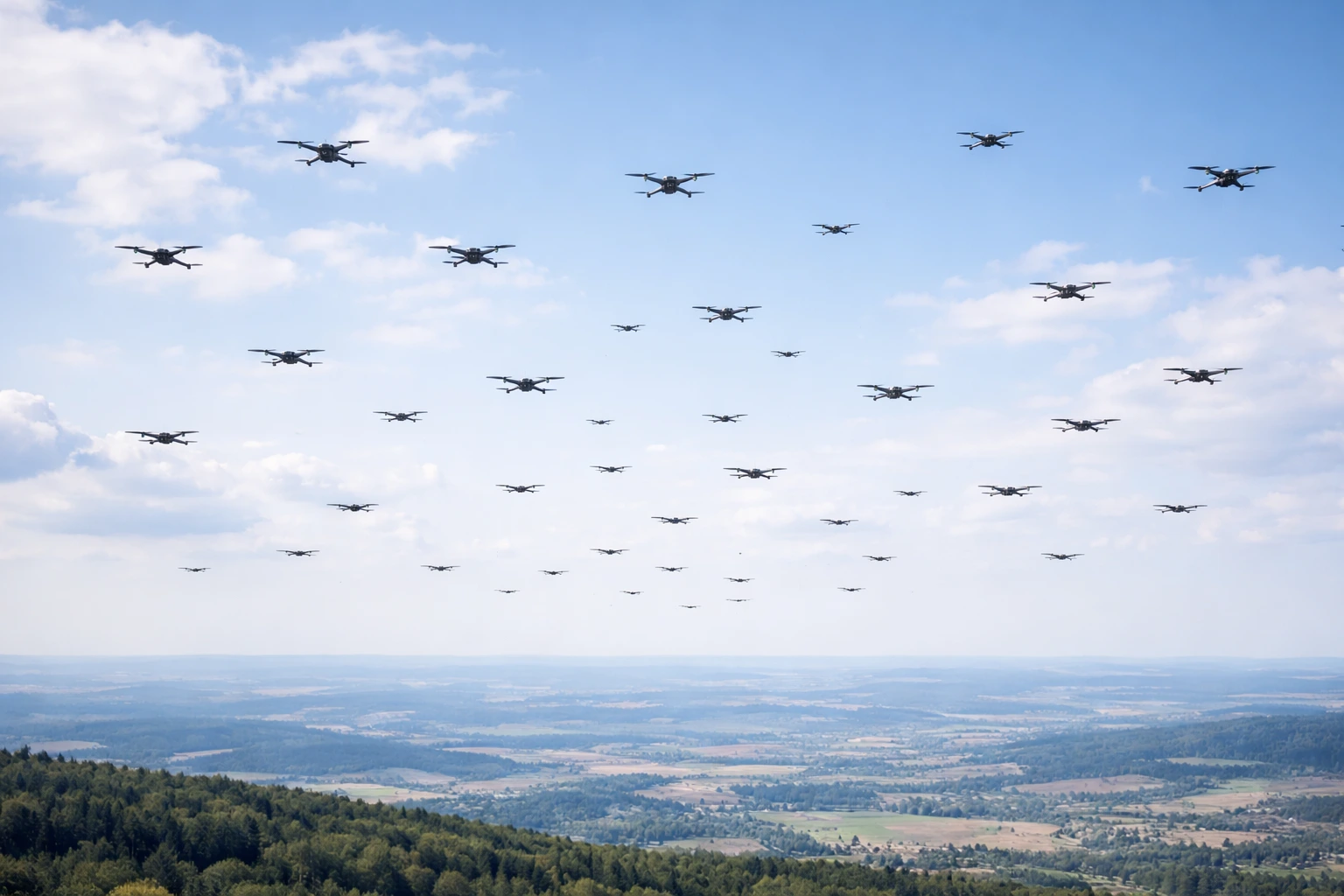
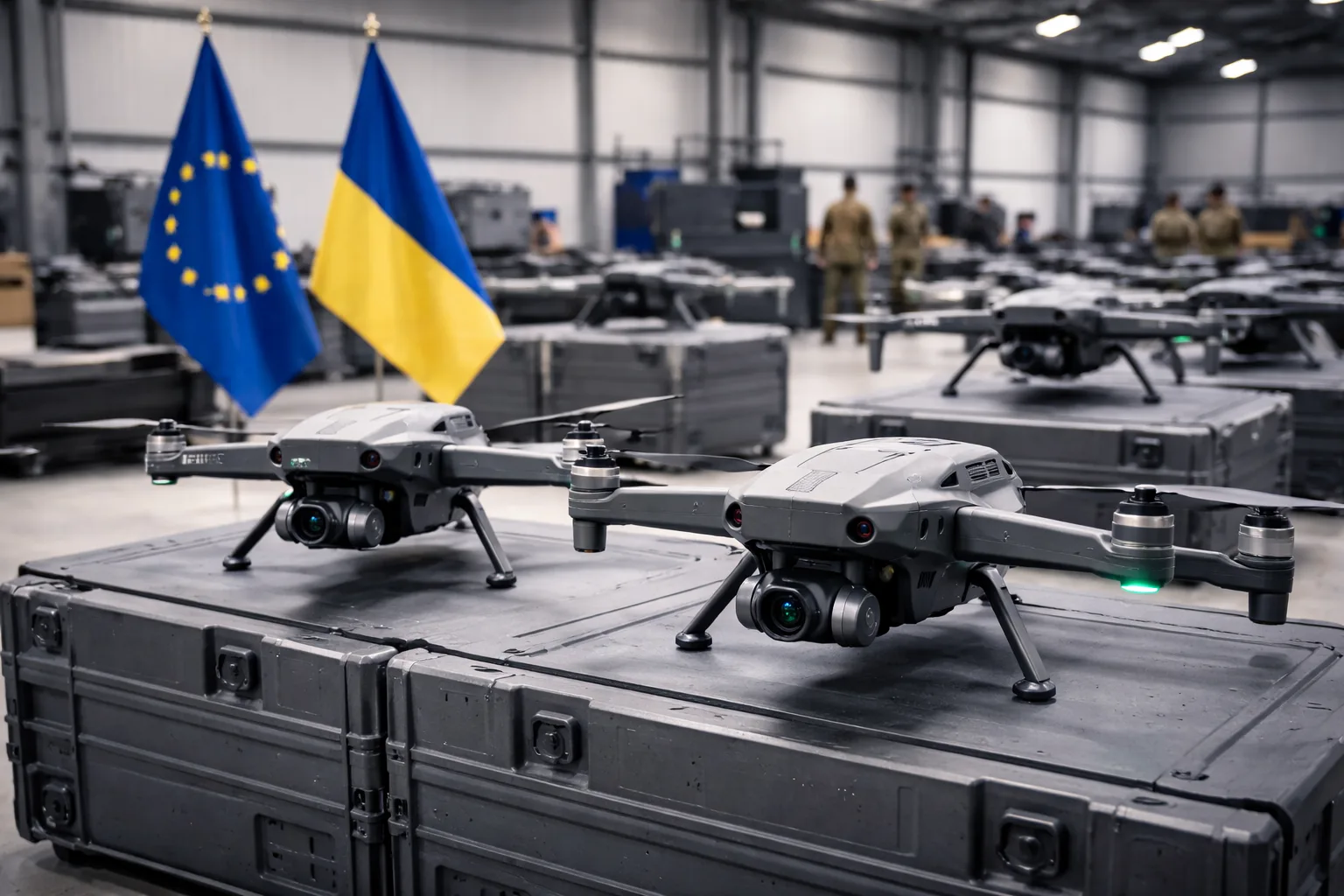
The backdrop is clear. Conflicts in Ukraine and the Middle East have exposed how quickly systems are consumed and how slowly they are replaced.
What happens next
Arsenal-1 now has to prove it can sustain output, not just start it.
That means ramping from initial production into consistent, contract-backed volume while adding new product lines into the same system.
If Anduril can do that, it changes where advantage sits — from who can design the best system to who can build and deliver it fastest.
That is the shift the rest of the industry will have to respond to.