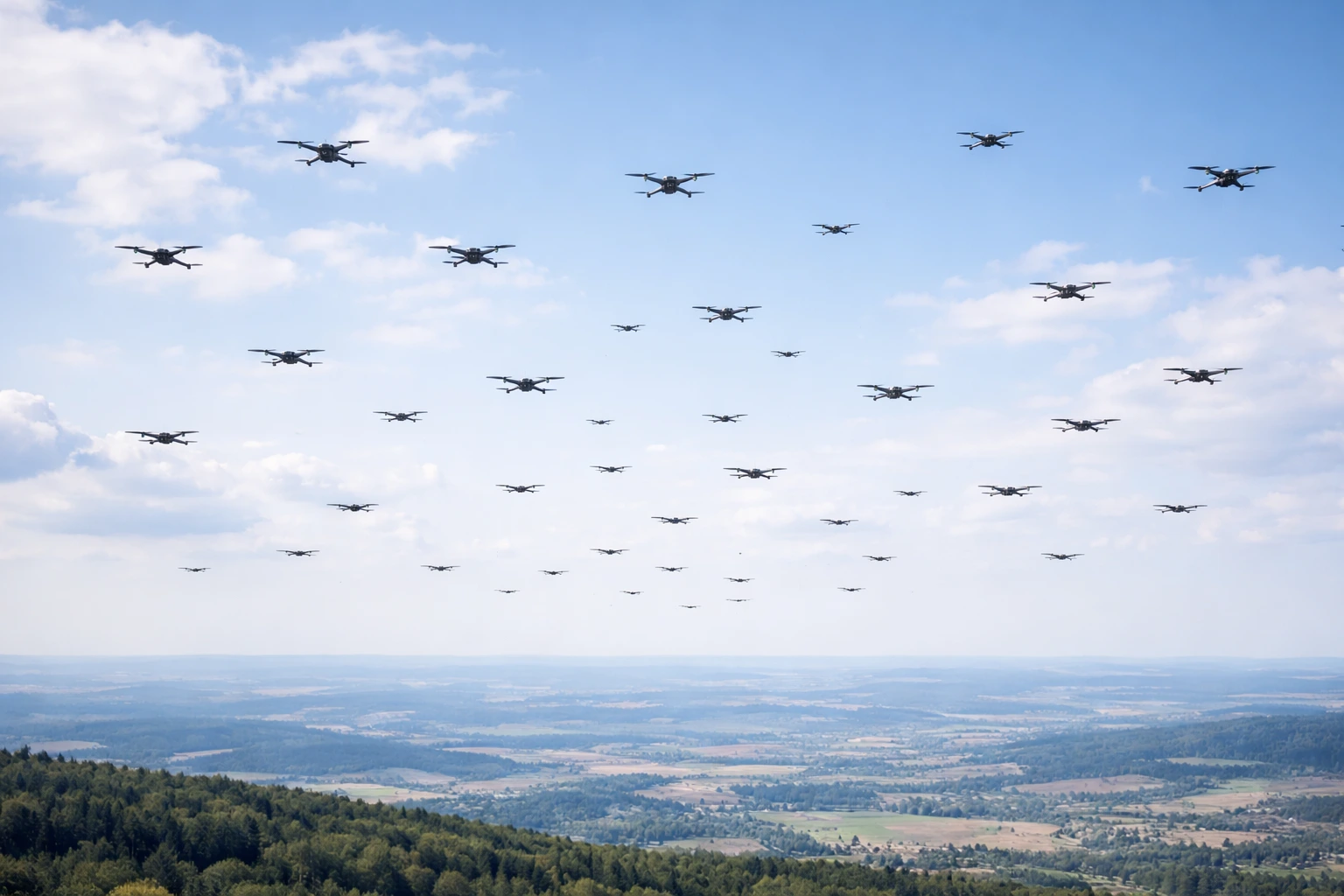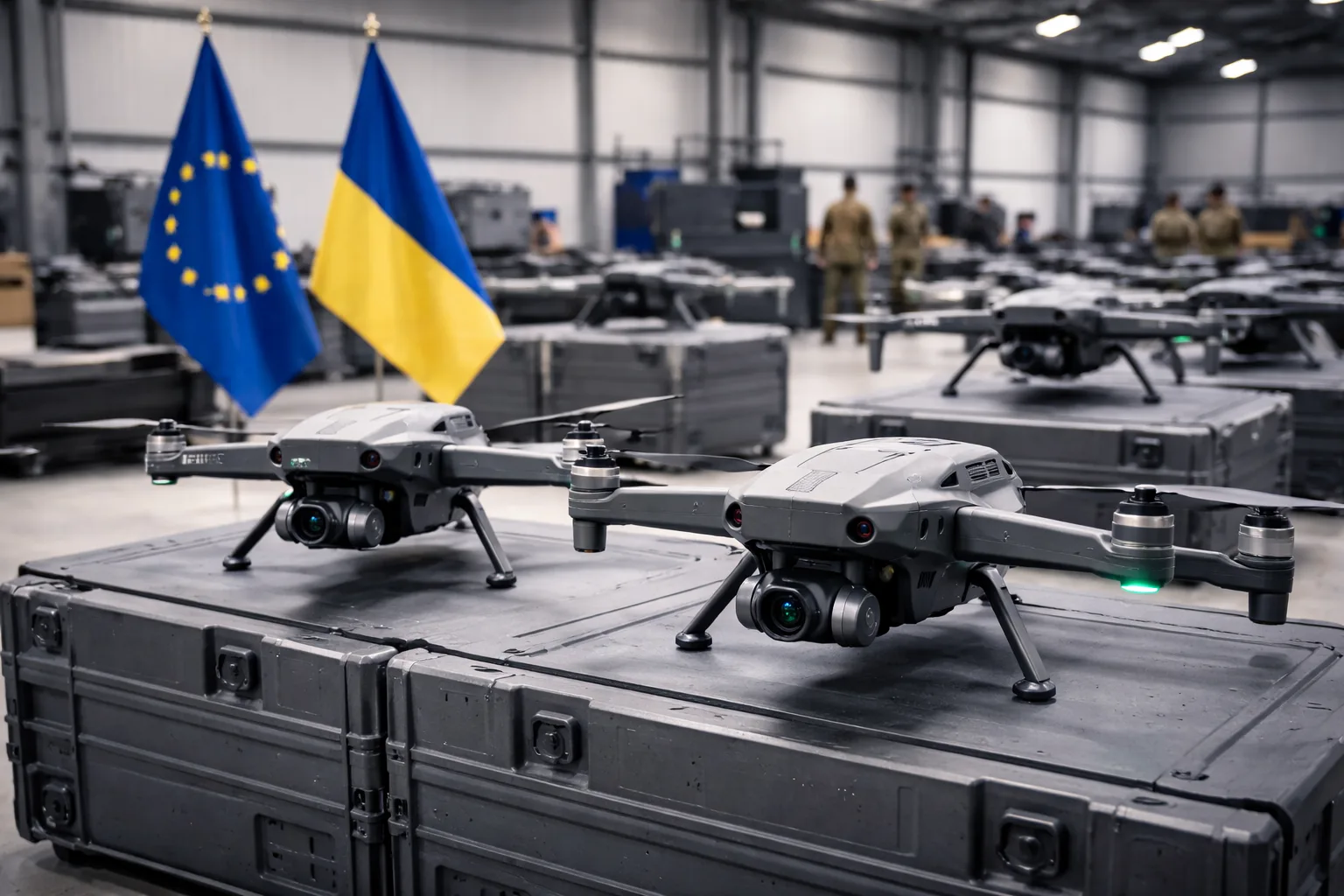
Beijing has passed sweeping restrictions on drone sales, storage, and transport within the capital, effective May 1 — the tightest urban drone controls any major city has implemented.
The regulation, approved by Beijing’s municipal legislative body on March 28, bans the sale or lease of UAVs and 17 designated “core components” to any person or organisation without prior public security approval. Bringing new drones into Beijing’s administrative area is also prohibited, with an exception for previously registered devices carried by verified owners.
Three drones per location, no exceptions
Inside Beijing’s sixth ring road — an area of roughly 2,300 square kilometres, about three times the size of Singapore — storing more than three drones or ten core components at a single location is now illegal. Sellers must report suspicious transactions. Logistics providers face stricter inspection requirements for all UAV shipments.
Passengers arriving in Beijing will undergo two baggage inspections: one at departure, one on arrival.
Existing drone owners have until April 30 to complete real-name registration and report any change in their drone’s operational status, possession, or storage location to police.
Why Beijing is moving now
Local lawmakers cited “low-altitude security” as the driving concern. The capital’s entire airspace was already declared a restricted zone in August 2025, requiring pre-approval for all drone flights. The new regulation adds a commercial and logistical layer on top of that airspace control.
Recent events shaped the urgency. Officials pointed to incidents involving drone smuggling and high-profile covert operations — including Ukraine’s Operation Spiderweb, which used drones concealed in lorries launched from within Russian territory — as evidence that physical access to drones, not just airspace, requires stricter control.
China issued national drone regulations in 2023 and 2024 covering restriction zones, real-name registration, and operator certifications. Beijing is now going further, applying tighter controls at the municipal level.
What this means for DJI
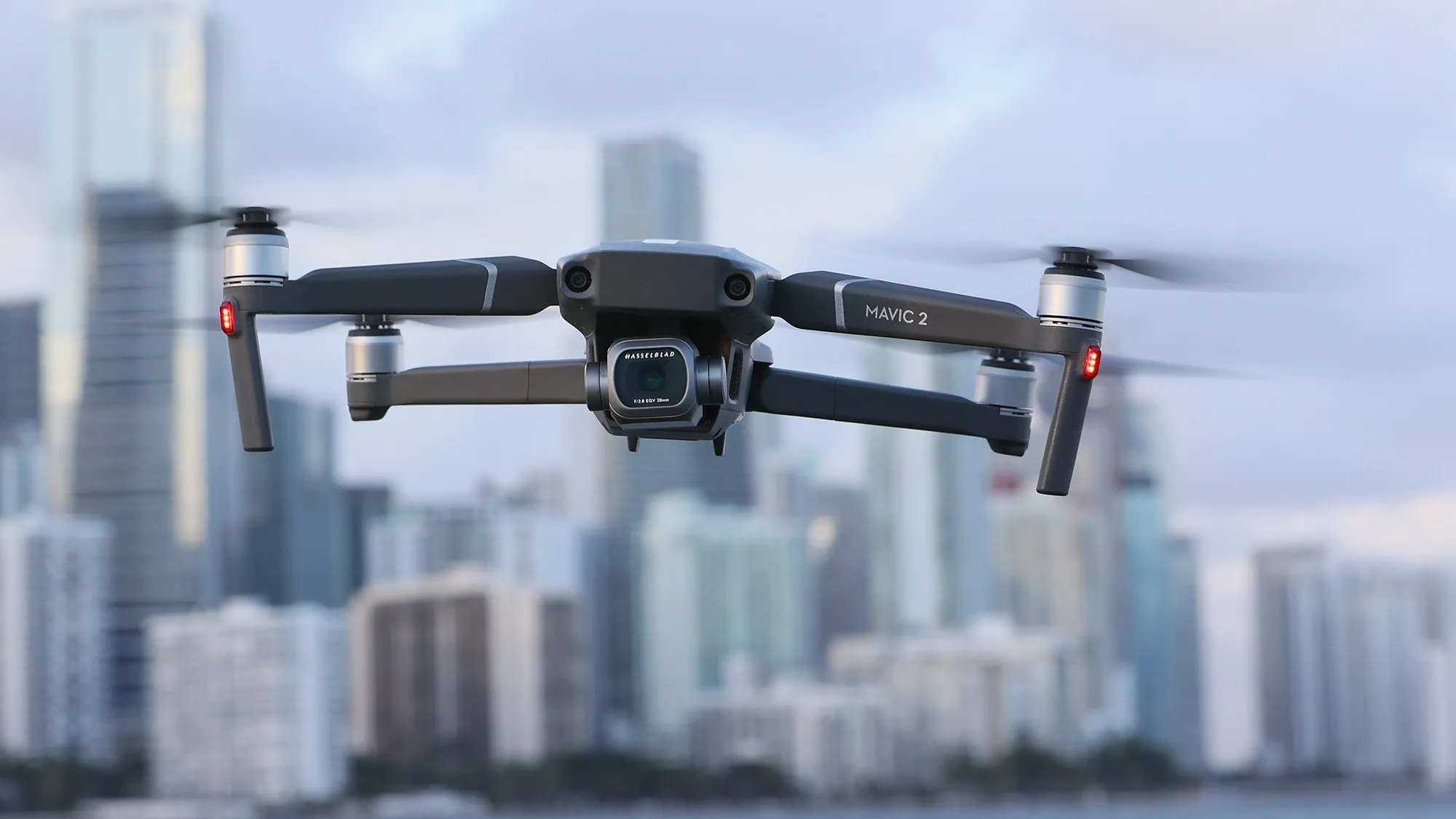
DJI, headquartered in Shenzhen, is the world’s dominant consumer and commercial drone manufacturer. Its distribution network runs through exactly the kind of retail and logistics channels these rules target.
The regulation does not restrict manufacturing — DJI’s production facilities are outside Beijing’s administrative boundary. But sales, storage, and delivery into the capital now require police approval at each step. For a company already navigating US export restrictions and NDAA blacklisting, additional friction in its home market adds another layer of operational complexity.
What to watch
The May 1 deadline is tight. How Beijing enforces the storage cap and the sales approval process will determine whether this is a genuine crackdown or a compliance exercise on paper.