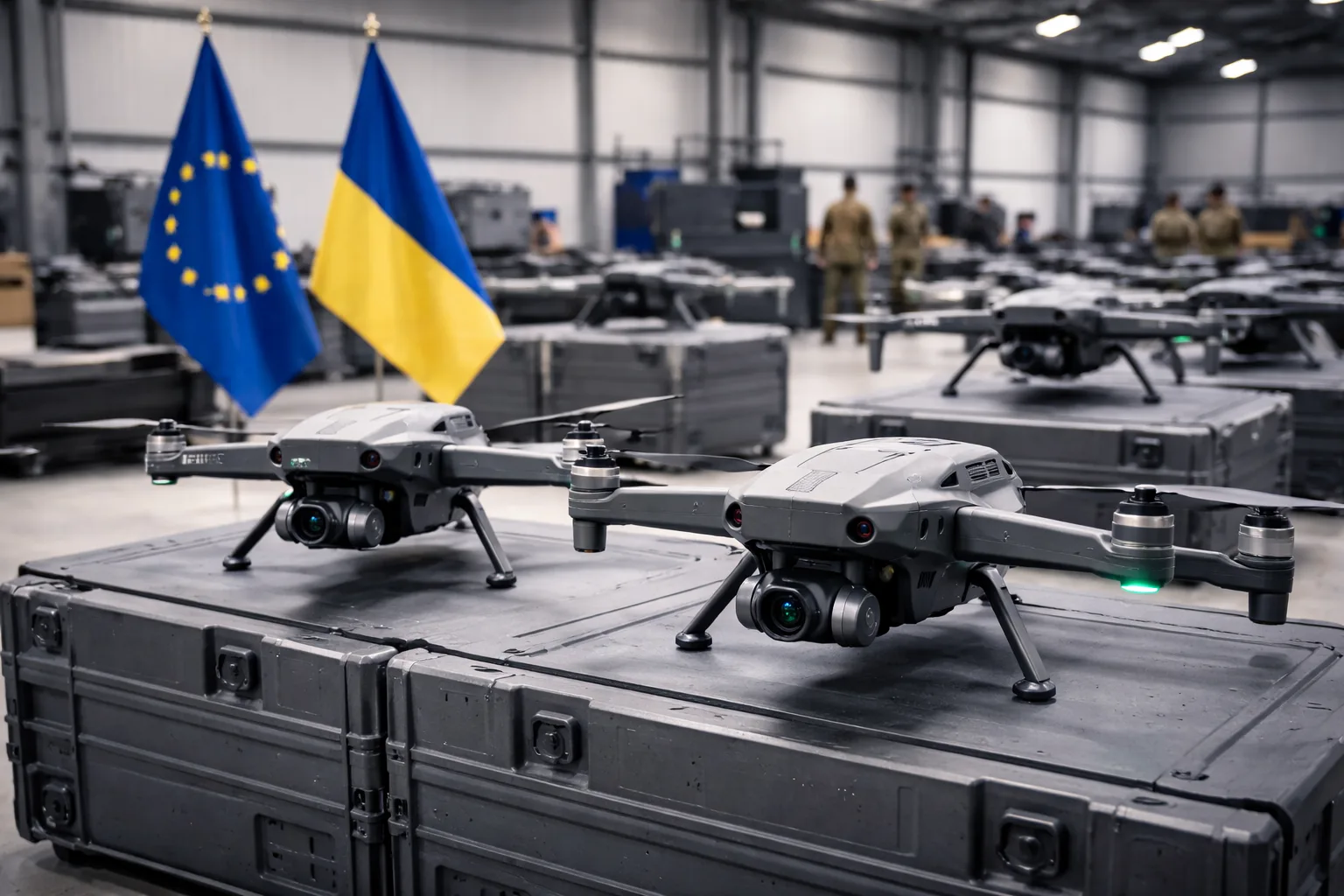
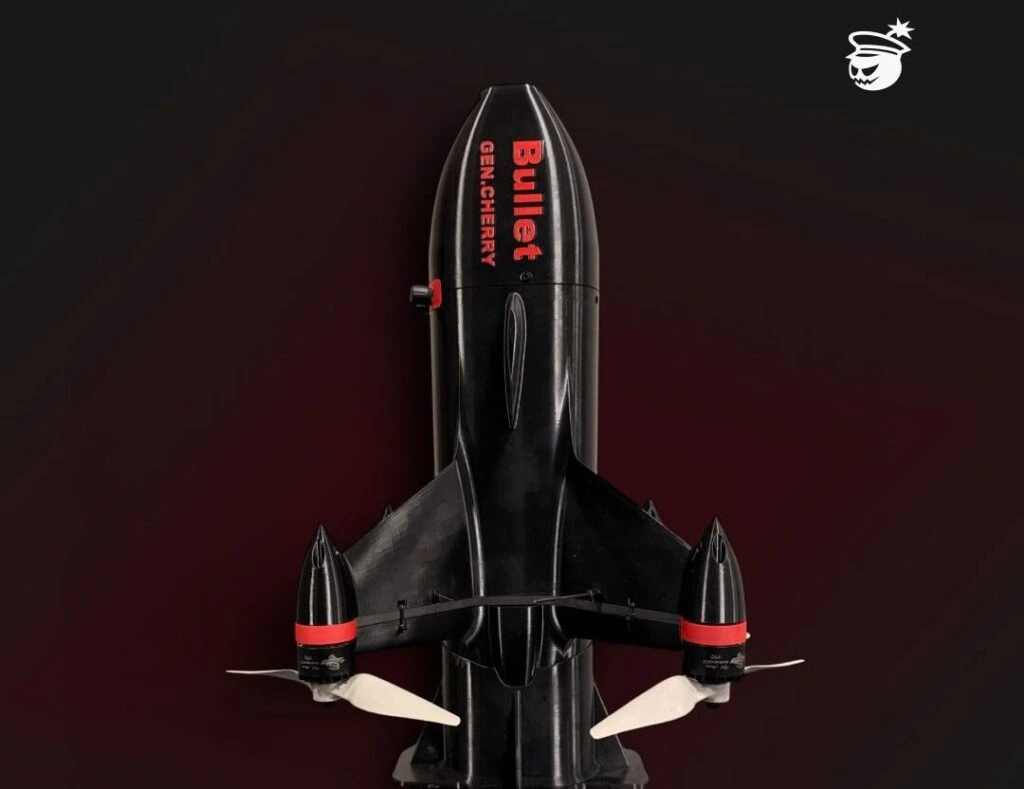
Ukrainian drone manufacturer General Cherry has signed a production agreement with Wilcox Industries to build interceptor UAVs at Wilcox’s facilities in New Hampshire. The production start date is subject to ongoing negotiations with the Ukrainian government.
General Cherry specialises in FPV and interceptor drones — the category of small, fast UAVs used to neutralise incoming Russian drones over Ukrainian territory. Moving that production to the US places it inside a NATO-allied industrial base with access to NDAA-compliant components and insulation from the supply chain disruptions that have plagued Ukrainian domestic production.
A Pattern, Not an Isolated Deal
General Cherry’s agreement with Wilcox is the latest in a series of moves by Ukrainian drone manufacturers to establish production capacity in Western countries.
In February 2026, Ukrspecsystems opened a production facility in the UK backed by roughly £200 million in investment. Late in 2025, German and Ukrainian firms formed Quantum Frontline Industries to mass-produce UAVs at a new facility in southern Germany. Auterion and Airlogix announced a joint venture in February targeting AI-guided UAV production for Ukraine and allied nations.
The logic is consistent across all of them: Ukrainian design expertise, Western industrial infrastructure, supply chains that Russia cannot interdict.
Why the US Specifically
Wilcox Industries is an established US defence manufacturer. Producing in New Hampshire means General Cherry’s interceptor drones can be purchased by US government and allied customers under standard defence procurement frameworks — something that would be significantly more complicated if production remained in Ukraine or even in Europe.
It also positions General Cherry for the expanding US market for counter-drone and interceptor systems, where demand is accelerating alongside growing awareness of the drone threat demonstrated daily in the Ukrainian conflict.
The production timeline remains tied to Ukrainian government negotiations, which introduces uncertainty. But the agreement itself signals that Ukrainian manufacturers are thinking beyond the current war — building industrial relationships that will outlast the conflict and position them in Western defence supply chains permanently.