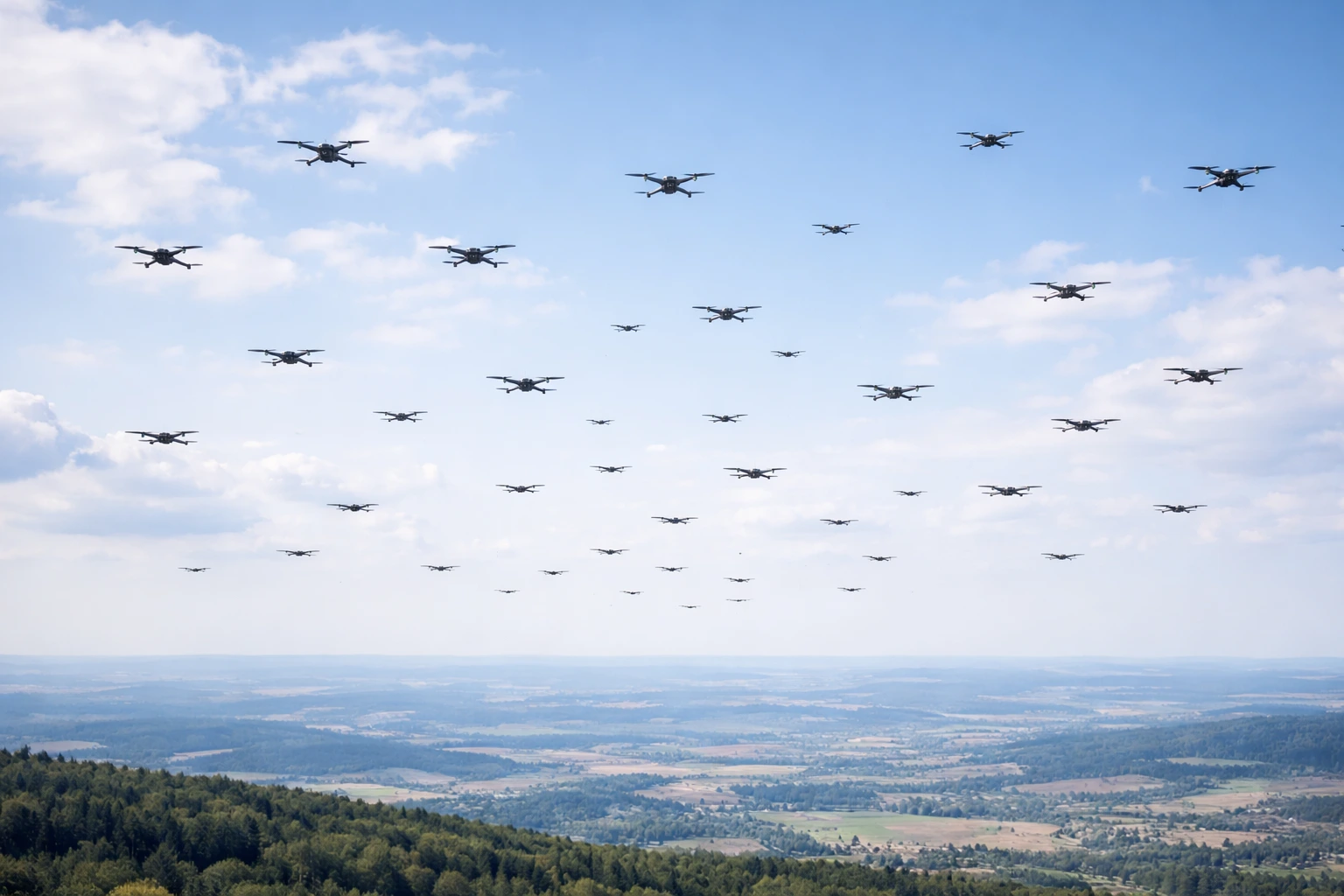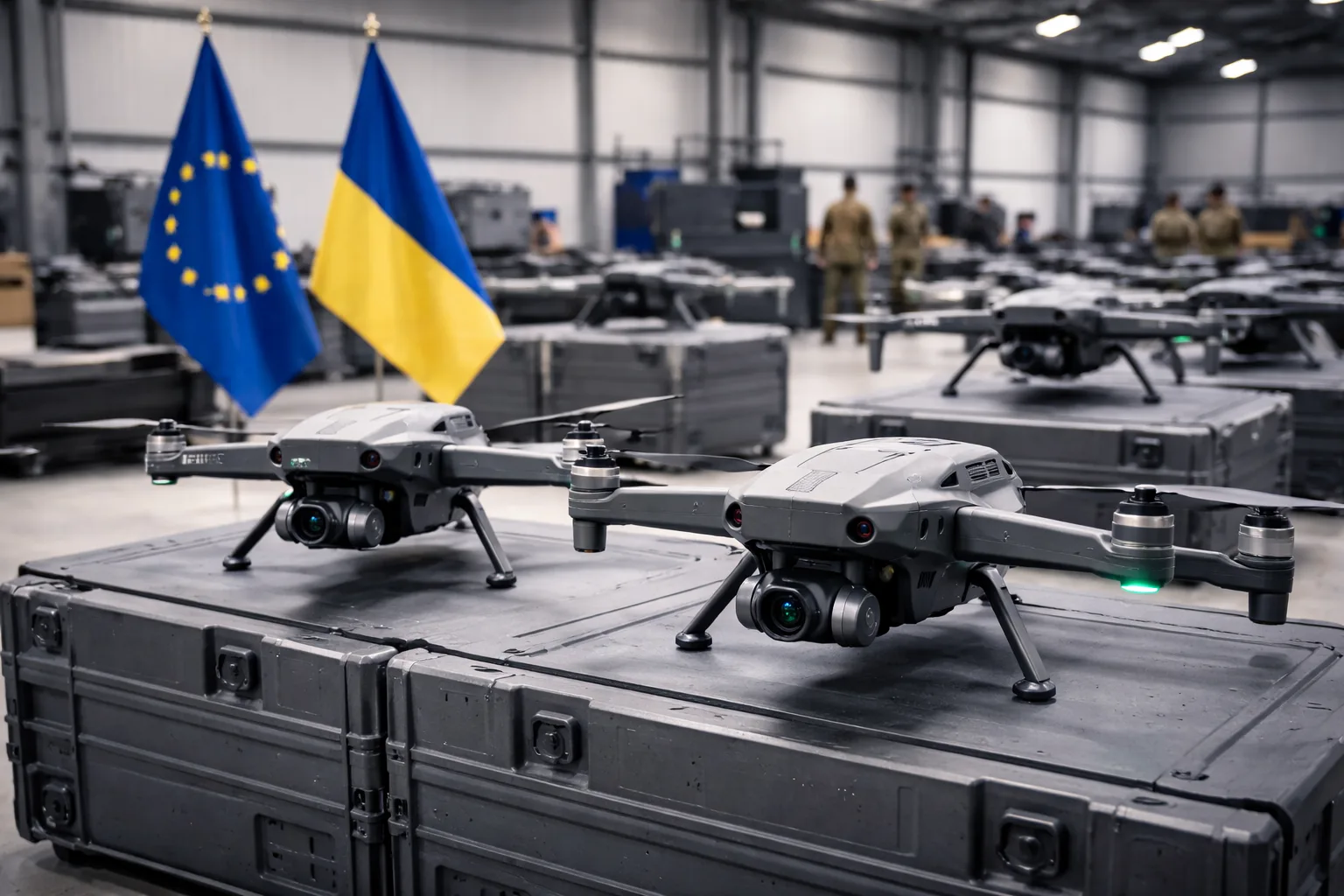
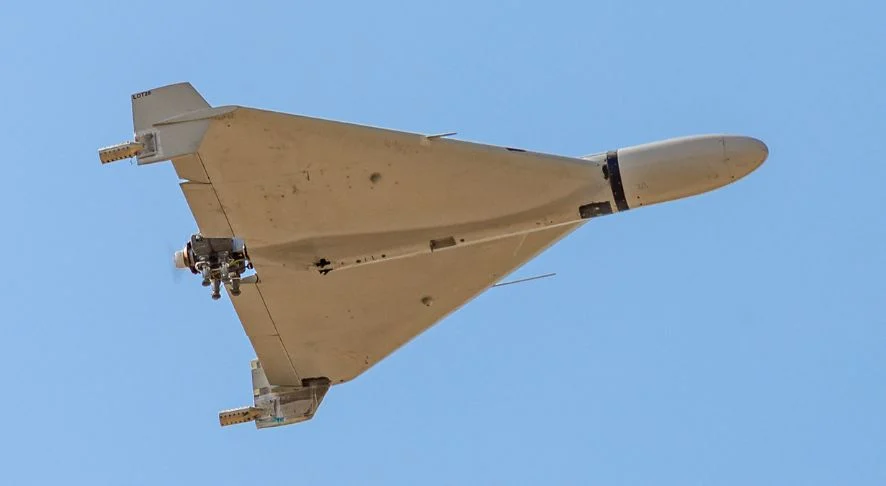
Russia is shipping upgraded versions of Iran’s own Shahed drone back to Tehran — technology Moscow has spent three years refining on Ukrainian battlefields.
U.S. and European officials confirmed the transfer to the Associated Press this week. The exact scale is unclear: one official described it as potentially symbolic, another flagged it as operationally significant depending on which variants are included. What is not in dispute is that Russia has substantially improved the original Iranian design and is now moving some of those improvements back to their source.
What Russia did to the Shahed
Iran sold Russia the original Shahed-136 design in 2022 as part of a $1.7 billion deal. Moscow began using them in Ukraine later that year, first as imports, then through a domestic production line at the Alabuga plant in Tatarstan.
Over three years of combat use, Russian engineers adapted the design significantly. Variants now include decoys with no warhead designed to exhaust air defense systems, jet-powered versions that are faster and harder to intercept, drones equipped with cameras for reconnaissance, and versions running AI navigation platforms or Starlink connectivity for command and control.
Debris recovered in Ukraine has confirmed ongoing exchange of technology between the two countries, including advanced anti-jamming systems and jet engines also used in Iranian cruise missiles.
Why this matters for U.S. forces in the Middle East
Iran has been launching drone barrages at Israel, Gulf neighbors, and U.S. bases for over a month. Its existing Shahed stocks are already straining regional air defenses.
Jet-propelled variants are the specific concern. They are faster than the baseline Shahed, which means current U.S. intercept systems in the region have to rely more heavily on high-end munitions — of which stocks are finite. More advanced drones arriving in larger numbers changes the math on interception rates.
The White House said U.S. forces have struck more than 10,000 targets and destroyed over 140 Iranian naval vessels, with drone and missile attacks down 90%. Whether that figure holds if Tehran receives meaningfully upgraded systems is the open question.
Moscow’s calculus
Sending drones to Iran costs Russia munitions it cannot then use in Ukraine. U.S. officials say Moscow’s motivation is unclear for exactly that reason.
One plausible read: Starlink-capable variants have become harder to use in Ukraine after SpaceX moved to deny Russian forces access to the service earlier this year. Transferring those drones to Iran effectively repositions an asset that has lost utility on one front.
Another read is simpler — Tehran felt abandoned after Russia did not intervene during Iran’s 2025 conflict with Israel, which ended with U.S. strikes on Iranian nuclear sites. A drone shipment, even a small one, is a diplomatic signal as much as a military one.