
Astronics
US aerospace supplier of electrical power, connectivity, lighting and test systems for commercial, military and general aviation aircraft.
1 article
Astronics
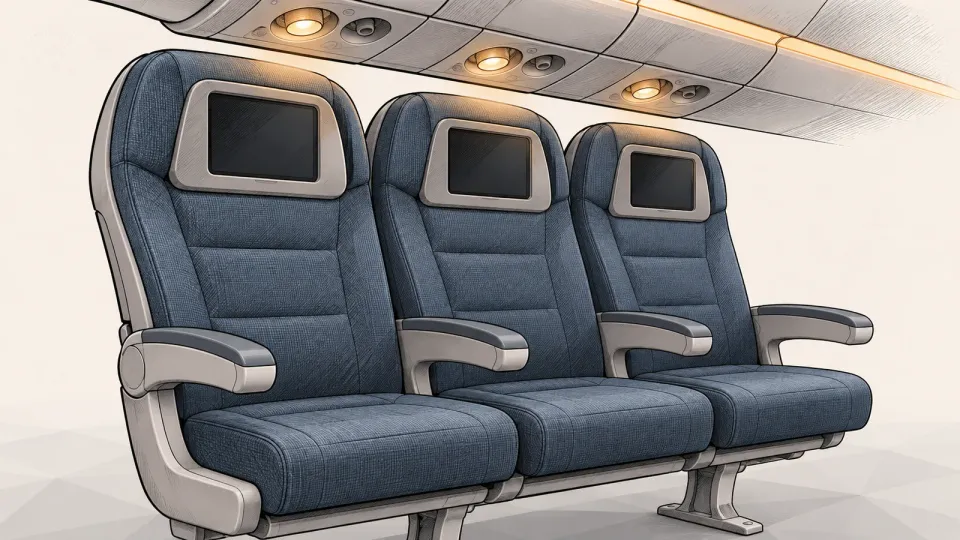
Astronics is a US aerospace technology supplier, listed on Nasdaq as ATRO and founded in 1968. It does not build aircraft. It builds the systems inside them: electrical power generation and distribution, in-flight entertainment and connectivity, lighting, seat motion, cabin interiors, and aerospace test systems. Customers span commercial airliners, military platforms and general aviation. Its October 2025 acquisition of Buehler Motor Aviation is included in its 2026 results.
Business and Financial Position
Astronics reported record third-quarter 2026 sales of $271.7 million, up 28.5 percent year on year, with net income of $52.2 million and adjusted EBITDA of $59.3 million, a record 21.8 percent margin. The Aerospace segment delivered record sales of $245.5 million, up 27.4 percent; military aircraft sales rose 5.3 percent to $29.0 million.
Growth came mainly from commercial transport in-flight entertainment and connectivity, seat motion and lighting products, with general aviation up 51.7 percent. Test Systems sales rose 40 percent to $26.2 million on the US Army’s TS-4549/T radio test program, which the company expects to reach full-rate production in the first quarter of 2027. Astronics kept full-year 2026 revenue guidance of $1.02 billion to $1.04 billion, against a backlog of $780.0 million, about 83 percent of it expected to become sales within twelve months.
Why It Matters
Astronics is a component supplier rather than a drone company, and it appears in FlightBrief coverage as a read on the health of the aerospace supply chain rather than as a platform builder. Power generation, distribution and test equipment are exactly the subsystems that uncrewed platforms need as they scale, and suppliers like Astronics are where crewed-aviation volume subsidises the engineering that later reaches smaller aircraft.
The backlog figure is the number worth tracking. At $780.0 million against roughly $1 billion of annual revenue, it indicates demand booked well ahead of delivery, which is a useful leading signal for the wider aerospace build rate.
Wrong? Email [email protected] with the document that shows it.