
Bell now expects a charge of $110 million to $150 million when the US Army orders the first production phase of its MV-75 Cheyenne tiltrotor. Textron, Bell’s parent company, gave the new range in its quarterly filing on 29 October. In July the figure was $60 million to $110 million.
In April and July, Textron said it expected that order “in late 2026 or early 2027”. The October filing gives no date. The order now depends on the Army’s 2027 budget, and the higher range assumes it comes during 2027.
The first production phase is an option in Bell’s existing contract, and it is largely fixed-price. Bell set those prices when it bid, and Textron says its costs have since run higher. When the Army takes up the option, Bell must cut the profit it books on the whole programme. Textron says the size of that cut depends on when in 2027 the order comes, the schedule and the money available.
Textron says the MV-75 will still make a profit overall. The Army picked the tiltrotor in December 2022 to eventually replace its UH-60 Black Hawk helicopters. Bell’s military revenue rose 8% in the first nine months of 2026, largely from MV-75 and H-1 helicopter work.
This year’s money ran short first. In April the Army told Bell it was asking Congress to move $350 million more into the programme for fiscal 2026. Bell cut staff, furloughed workers and spent less with suppliers. By mid-July it had used substantially all its 2026 funds and kept working at its own risk.
Congress approved the request before the quarter closed, and about $300 million went on contract. Bell’s revenue for the quarter to 3 October fell 9% to $933 million, which Textron put largely down to lower MV-75 volume. Its segment profit fell 17% to $76 million.
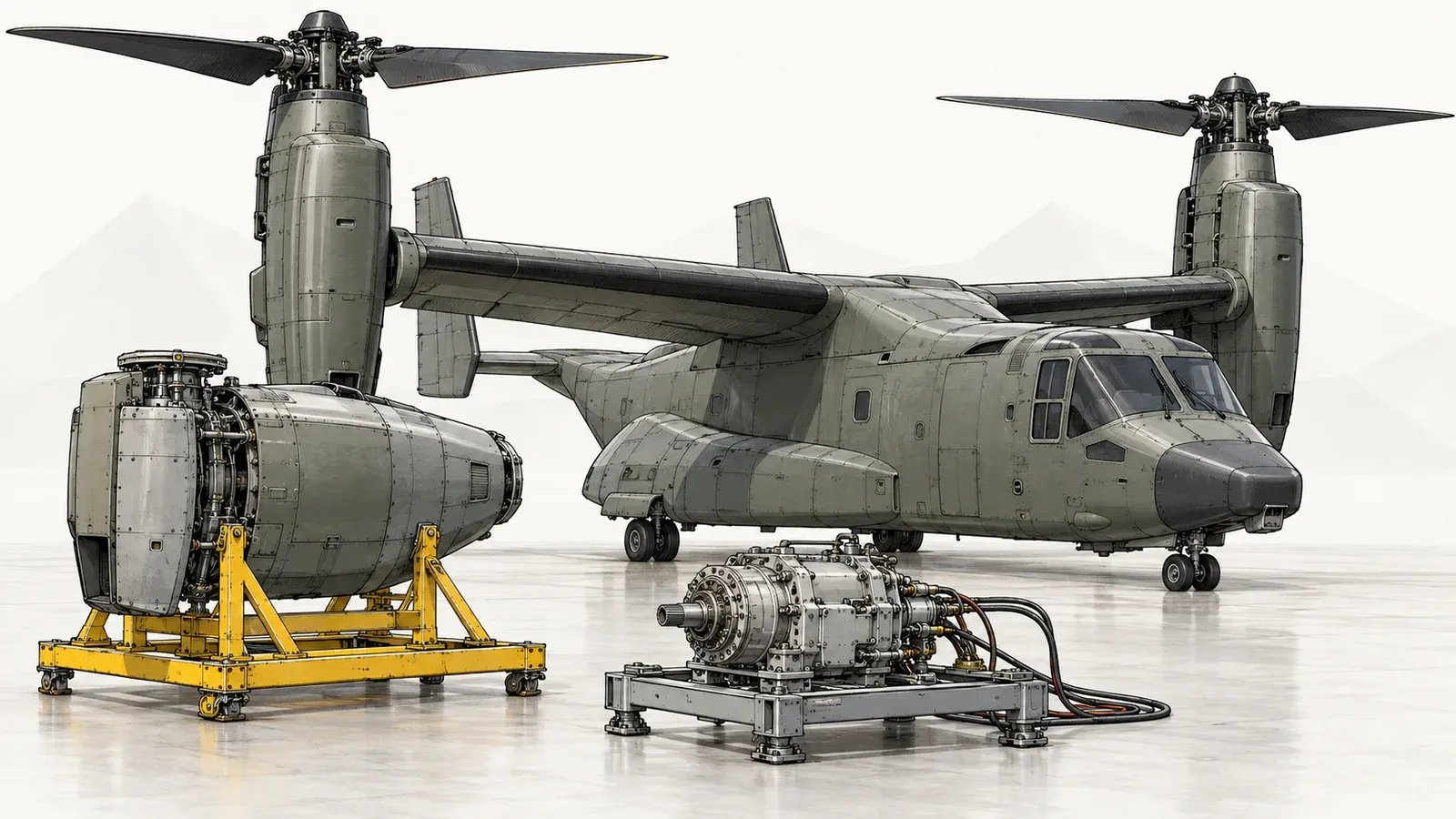
Textron’s chief executive, Lisa Atherton, said Bell had made “significant operational progress” on the MV-75. On 14 October Bell said it had finished the first nacelles, the pods at each wing tip that carry the engines, at its plant in Amarillo, Texas. Testing of the first gearboxes has also begun.
Textron’s filing warns that a long stopgap budget could hurt the programme. The current one funds the Department of War at roughly 2026 levels until 11 December.