
FEMA opened the second $250 million of its counter-drone grants to all 56 states and territories on 16 October. California’s share is $18.7 million, the largest. The Northern Mariana Islands get the smallest, $822,338.
The first $250 million went last December to only 11 World Cup host states and the National Capital Region. California got $34.6 million of it. This round reaches every state, and FEMA wants it spent with the 2028 Los Angeles Olympics in mind, the torch relay’s route across the country included.
Where the money goes
Most of the money is spoken for before any risk is weighed. The law behind the grants guarantees each state, Puerto Rico and the District of Columbia at least $3,325,000, and each smaller territory $760,000. Those floors add up to about $176 million, seven dollars in every ten.
FEMA shares out the remaining $74 million by its terrorism risk formula and by how well it expects the proposed projects to work. New York gets $13.9 million, Texas $10.5 million and Florida $7.8 million. Twenty-seven of the 50 states, among them Kansas, a first-round recipient, get less than $4 million.
Only each state’s homeland security agency can apply. It then passes the money to police, prisons and cities. Applications close on 16 November, FEMA expects to make the awards on 10 December, and projects have three years to finish.
Buying is not using
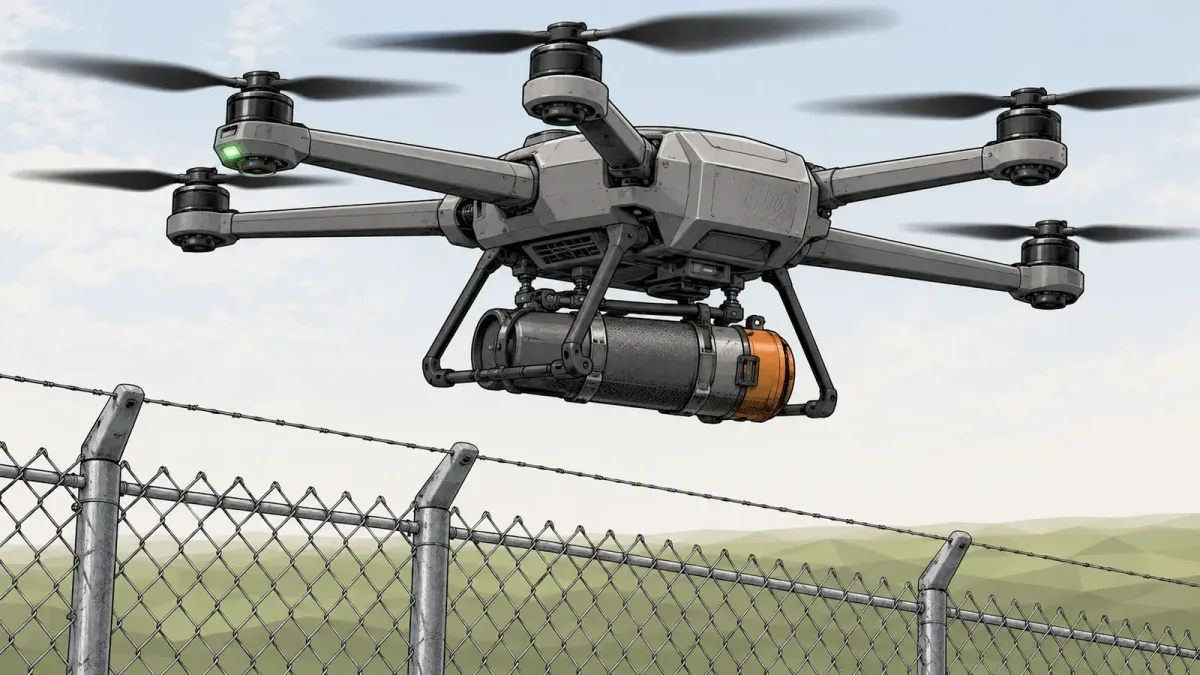
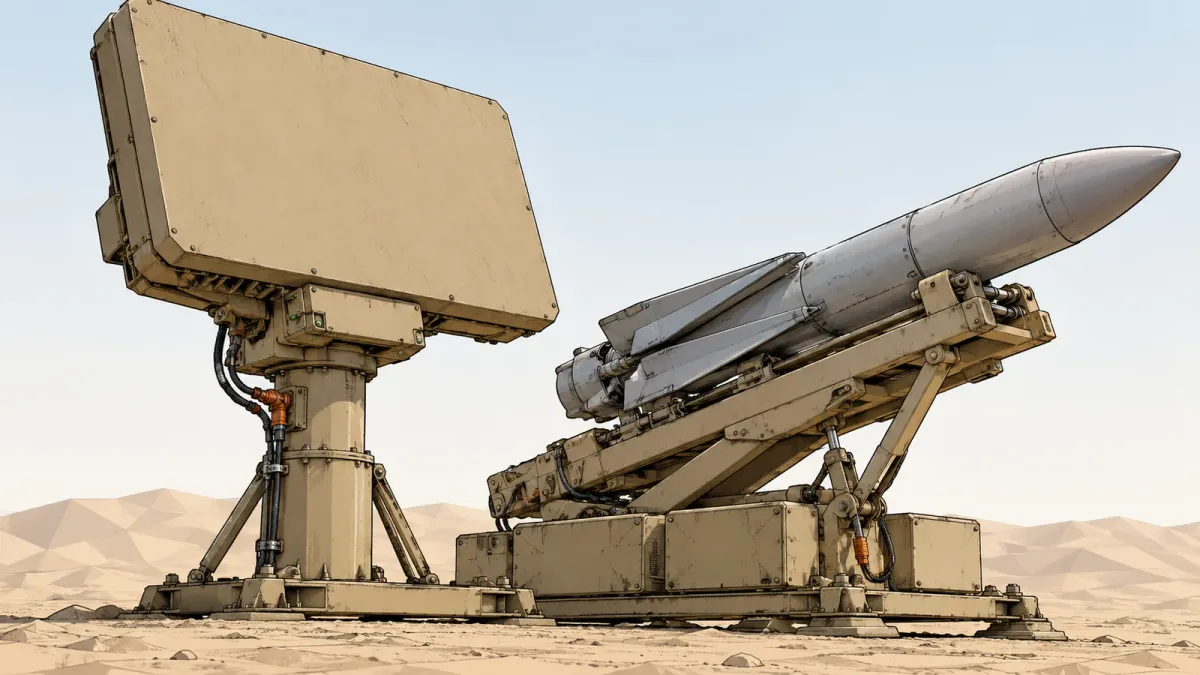
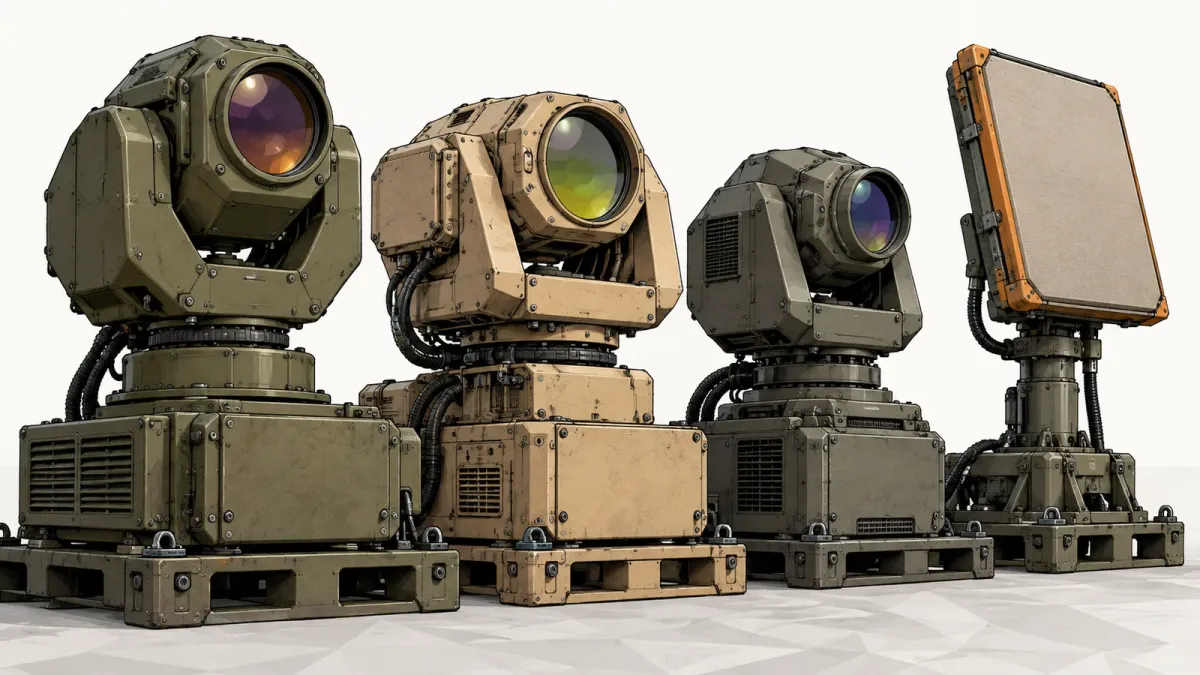
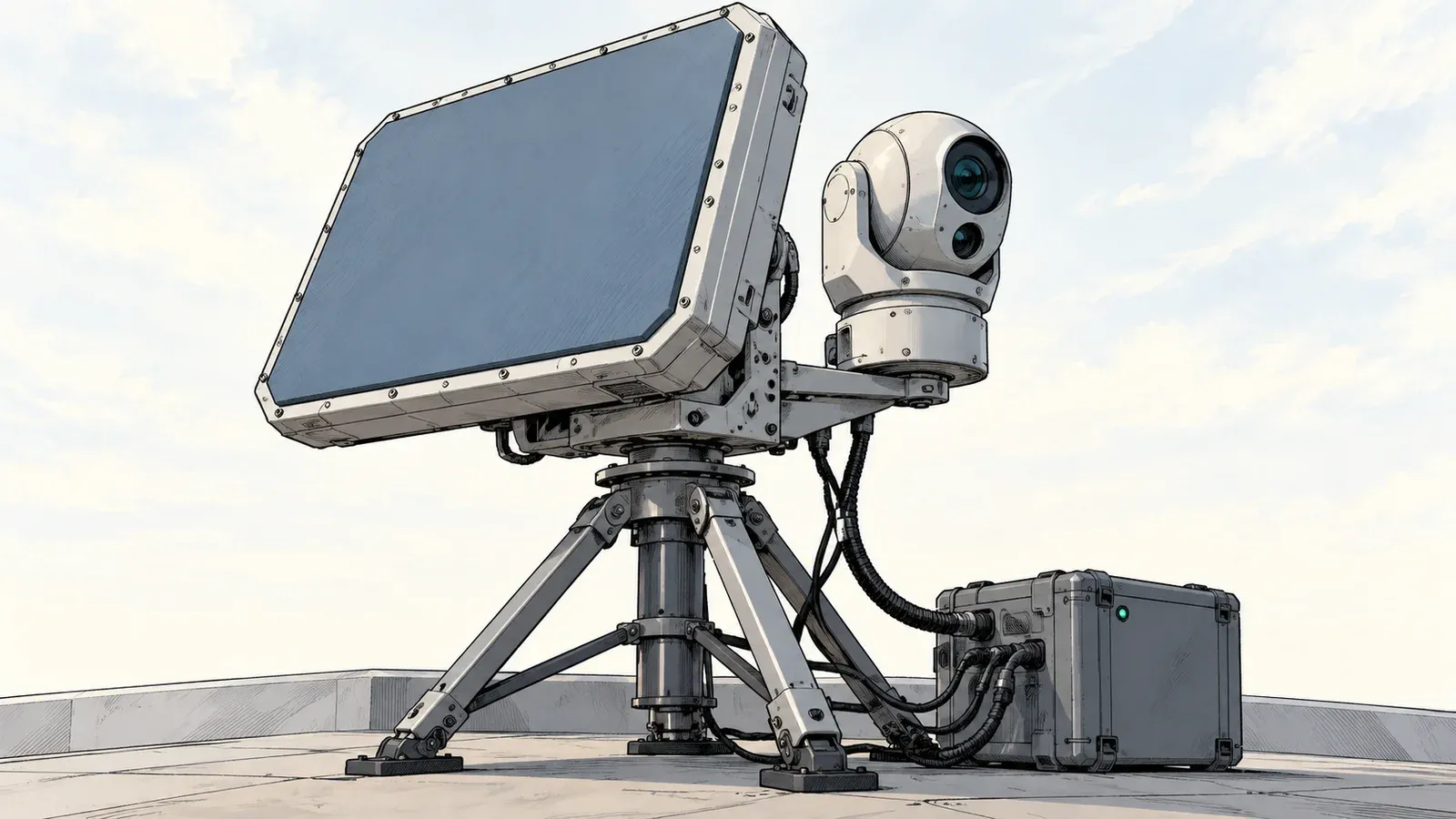
The notice separates owning a system from switching it on. A system that jams, hacks or takes over a drone can be bought for a city or a stadium, but a state or local police or prison agency must operate it. That agency must be accredited under the federal counter-drone rule before the system runs. Radar, cameras, acoustic sensors and Remote ID receivers carry no such condition.
“Possession of mitigation equipment does not authorize its use,” the notice says. FEMA will check each named agency’s status with the FBI’s National Counter-UAS Training Center. By late August, the FBI said, the center had trained about 500 officers since the rule took effect on 1 July.
Nine states have passed counter-drone laws of their own, most of them for prisons. All 56 states and territories now have a federal allocation, and FEMA expects to pick the funded projects on 2 December.