
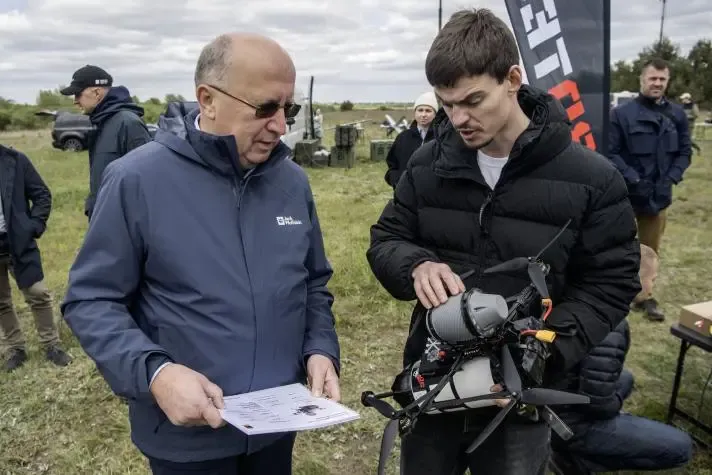
The European Commission and Ukraine have launched BraveTech EU, a joint program combining up to €50 million in EU funding with an equivalent Ukrainian government commitment to accelerate the development and production of weapons already proven in combat.
The program connects the European Defence Fund and the EU Defence Agency with Ukraine’s Brave1 defence technology cluster — the platform Kyiv has used since 2023 to fast-track domestic drone and weapons development by cutting procurement bureaucracy. The combination gives European developers access to real battlefield feedback loops that no test range can replicate, and gives Ukrainian manufacturers access to European capital and business support they otherwise lack.
What BraveTech EU Actually Does
A €35 million testing platform sits at the center of the program, designed to evaluate military technologies under active combat conditions in Ukraine. Field trials are scheduled to begin in autumn 2026, with the first participant selection activities opening in June. A consortium of Civitta, Starburst Accelerator, and Darkstar completed the initial screening phase, identifying the most promising solutions from developers across Europe for further evaluation.
The program runs in two phases. The Seed phase focuses on developer competitions and early-stage investor attraction. The Scale Up phase is where production enters the picture — Ukrainian factories gain access to European business support programs and direct funding to expand manufacturing of technologies that survive field trials.
The Strategic Logic Behind the Structure
Ukraine has spent three years compressing what would normally be a multi-year procurement cycle into weeks. Brave1 exists precisely to move technology from prototype to frontline faster than any conventional defence acquisition process allows. BraveTech EU is essentially an attempt to export that methodology into the European defence industrial base — or at least to let European developers benefit from it without relocating to Kyiv.
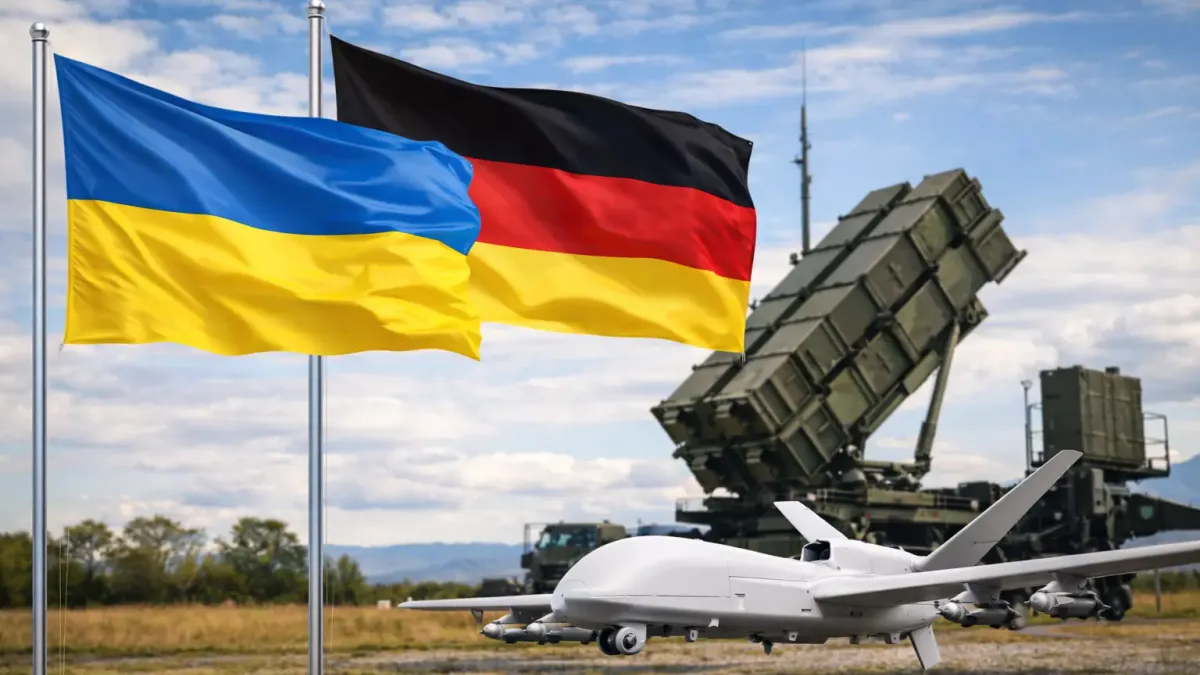
Germany is reportedly considering joining Brave1 directly, which would add a third major actor to what is already a significant institutional commitment. If Berlin follows through, BraveTech EU shifts from a bilateral EU-Ukraine initiative into something closer to a broader European defence technology consortium organized around Ukrainian combat experience.
Participant selection begins in June. The autumn field trial schedule will be the first real test of whether the program’s ambitions translate into operational results.