
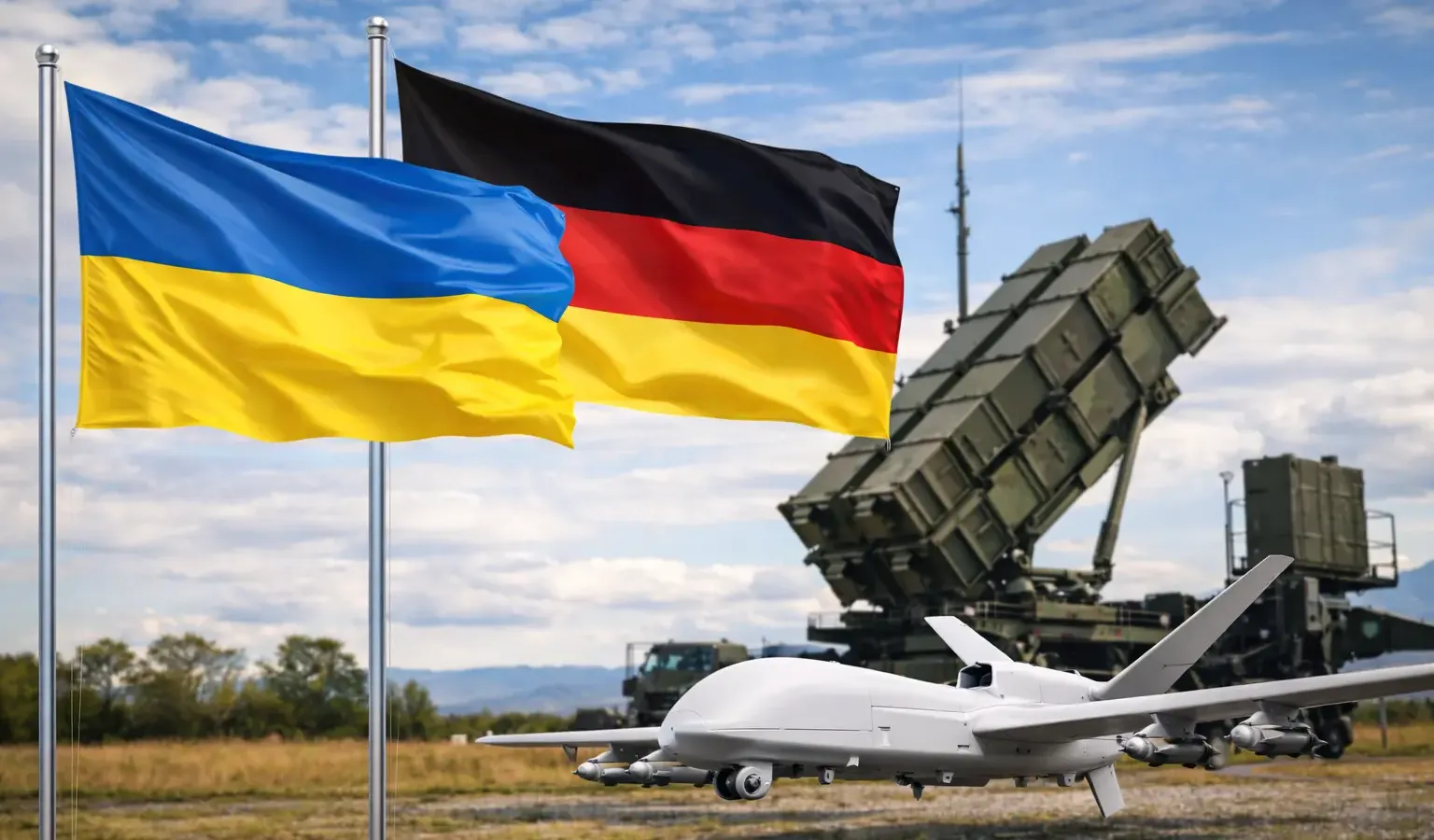
Germany will provide Ukraine with a €4 billion defense package covering Patriot air defense missiles, 36 IRIS-T launchers, €300 million for long-range strike development, and joint production of 5,000 AI-guided mid-range drones — the most detailed bilateral defense commitment Berlin has made since the war began.
Ukrainian Defense Minister Mykhailo Fedorov announced the agreement following talks with German counterpart Boris Pistorius on Tuesday, as President Zelensky visited Berlin for intergovernmental consultations.
What the drone production deal actually covers
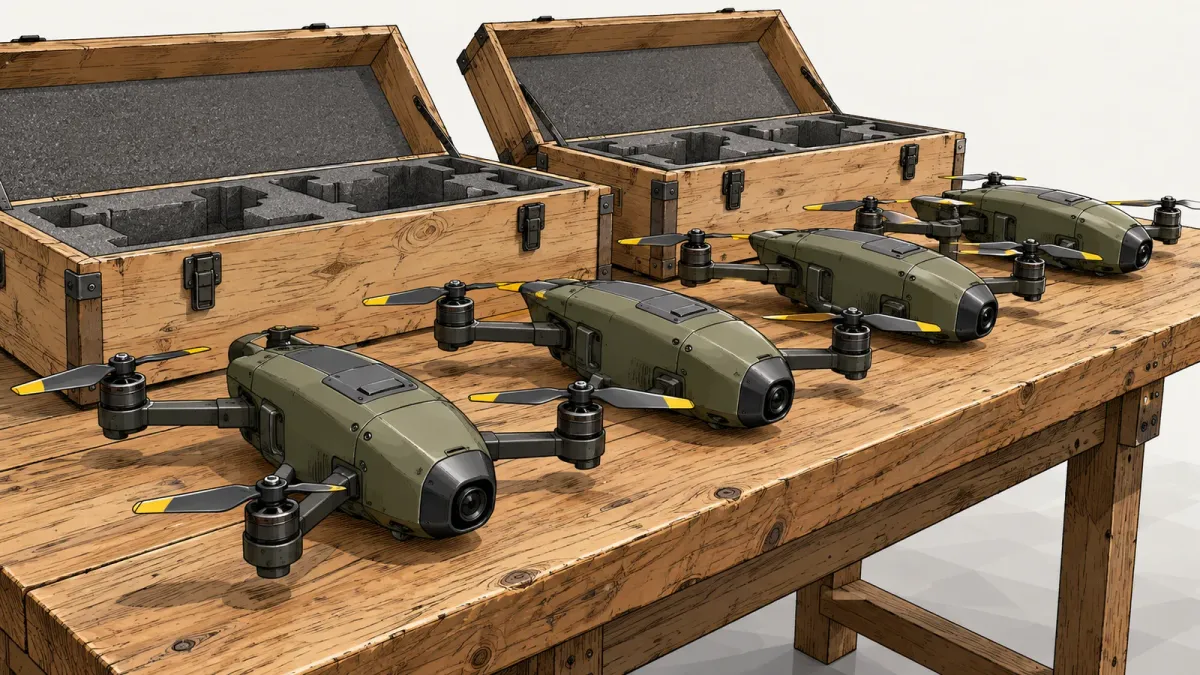
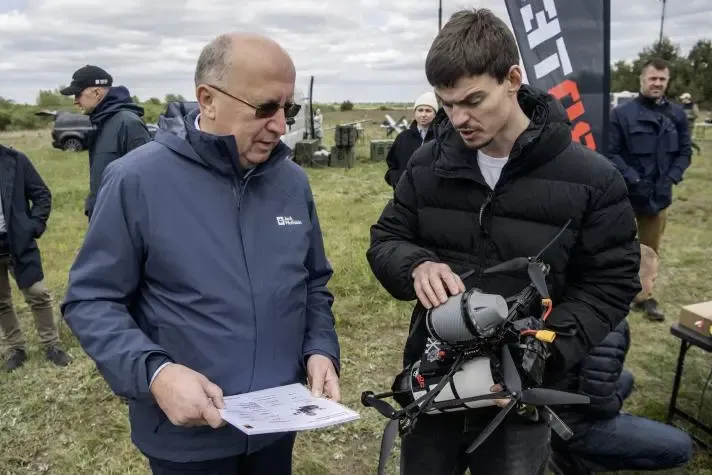
The drone component falls under a “Build with Ukraine” initiative that pairs German investment with Ukrainian battlefield experience. The initial run is 5,000 mid-range strike drones incorporating AI guidance, produced jointly by the two countries. No manufacturers were named and no timeline was specified beyond the initial production figure.
The structure mirrors Germany’s broader posture shift: rather than simply shipping hardware, Berlin is increasingly interested in Ukraine’s three years of live-fire drone development as an asset worth co-investing in. Chancellor Merz had signaled as far back as November 2025 that Germany intended to fund domestic weapons production inside Ukraine rather than just export finished systems.
The air defense layer
Patriot missiles form the headline commitment, though Fedorov did not specify quantities or delivery schedules. Patriot supply has been under sustained pressure since 2022, a situation aggravated further by consumption during U.S. and Israeli operations against Iran. Germany financing additional Patriot procurement — rather than drawing from Bundeswehr stocks — suggests Berlin is working around inventory constraints rather than cannibalizing its own air defense coverage.
The 36 IRIS-T launchers fill the medium-altitude layer below Patriot’s engagement envelope, adding coverage against the cruise missiles, Shahed variants, and glide bombs that Patriot batteries are typically reserved for higher-value intercepts on.
Where this fits in European rearmament
The €300 million long-range investment is the piece with the longest tail. Whether it connects to the earlier German general’s comments about funding Ukrainian domestic long-range production is unconfirmed, but the direction is consistent: Germany is moving toward funding Ukrainian manufacturing capacity, not just delivering munitions that deplete.
The package was announced the same week U.S.-mediated peace talks stalled over territorial concessions Kyiv has rejected. The timing is not incidental — Germany is signaling that European support continues regardless of where Washington’s mediation effort lands.
Details on drone manufacturers, production locations, and delivery schedules are expected as the “Build with Ukraine” framework is formalized in the coming months.