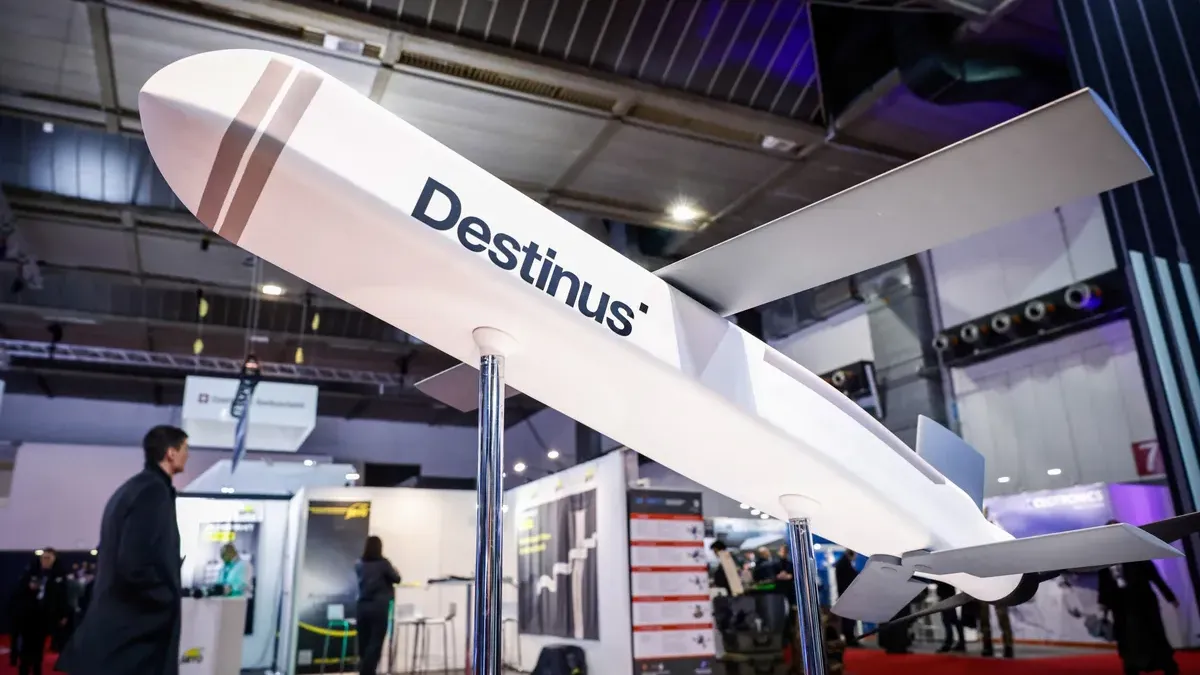

Helsing, the Munich defence AI company valued at $18 billion in July, will take part in Destinus’s latest funding round, the Dutch missile and drone maker said on 20 October. The two also agreed a commercial partnership to offer “joint solutions to NATO and allied armed forces”.
Destinus’s short statement names no product, customer, amount or date.
Bloomberg reported the same day, citing people familiar with the talks, that Helsing would invest at a valuation of about €6 billion ($6.7 billion). Destinus declined to comment to Bloomberg. In May the agency had reported Destinus was seeking about €200 million ahead of a stock market listing, at a valuation above €5 billion.
Destinus had confirmed no current round when FlightBrief checked on 14 October. It still gives no size for the round and names none of the “other investors” it says Helsing joins.
What each side makes
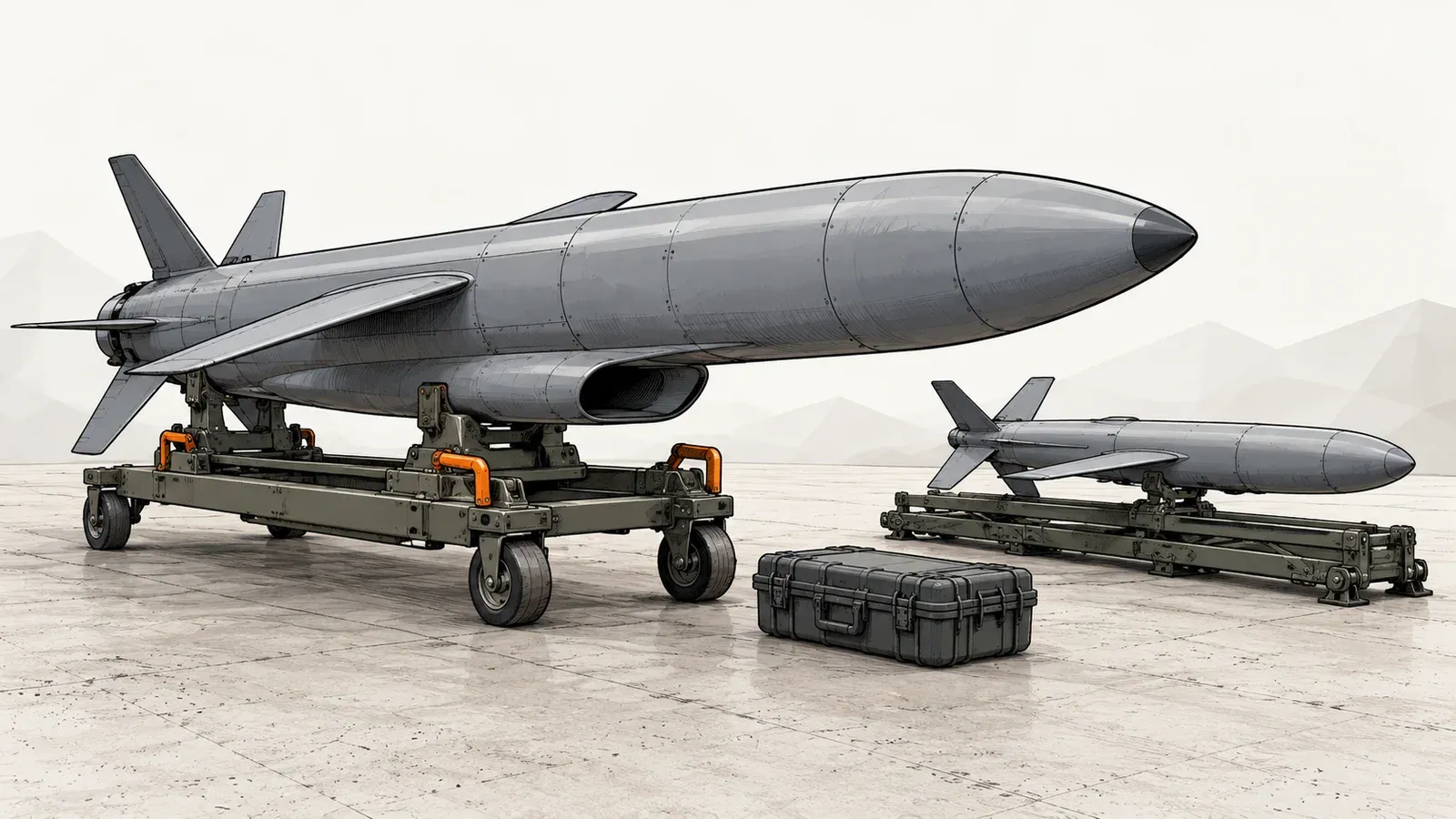
Destinus builds the Ruta cruise missiles and the Hornet interceptor drone, and Rheinmetall said in April that it turns out more than 2,000 cruise missile systems a year. Helsing makes the HX-2 strike drone and the Altra software that coordinates it with other sensors, and is building the CA-1 Europa uncrewed jet. Neither company has said which of these the partnership covers.
The next day Destinus bought Perciv AI, a Delft company whose software reads radar data to detect and track small targets and to find the way when satellite signals are jammed. Terms were not disclosed. “Radar perception needs to be developed as part of the complete system,” said Mikhail Kokorich, Destinus’s founder and chief executive.
Destinus said the radar work complements the camera-based perception of Daedalean, the Zurich maker of AI avionics it finished buying in January for CHF 180 million.
FlightBrief analysis: Destinus now has Rheinmetall as its joint-venture partner and Helsing as an investor. Both German companies make loitering munitions for the Bundeswehr.
The Rheinmetall venture, Rheinmetall Destinus Strike Systems, was announced in April with Rheinmetall holding 51%. On 27 September Rheinmetall chief executive Armin Papperger said it was in the “final stage before signature”.