
Kuwait is buying a £370 million national counter-drone system from MARSS, a British company owned by Australia’s Electro Optic Systems, the UK Ministry of Defence said on 9 October. That morning EOS had called it the largest contract in its history, without naming the customer.
The two announcements describe the same deal differently. London’s release does not say the contract is conditional. EOS’s release to the Australian stock exchange is mostly about the conditions.
What Kuwait gets
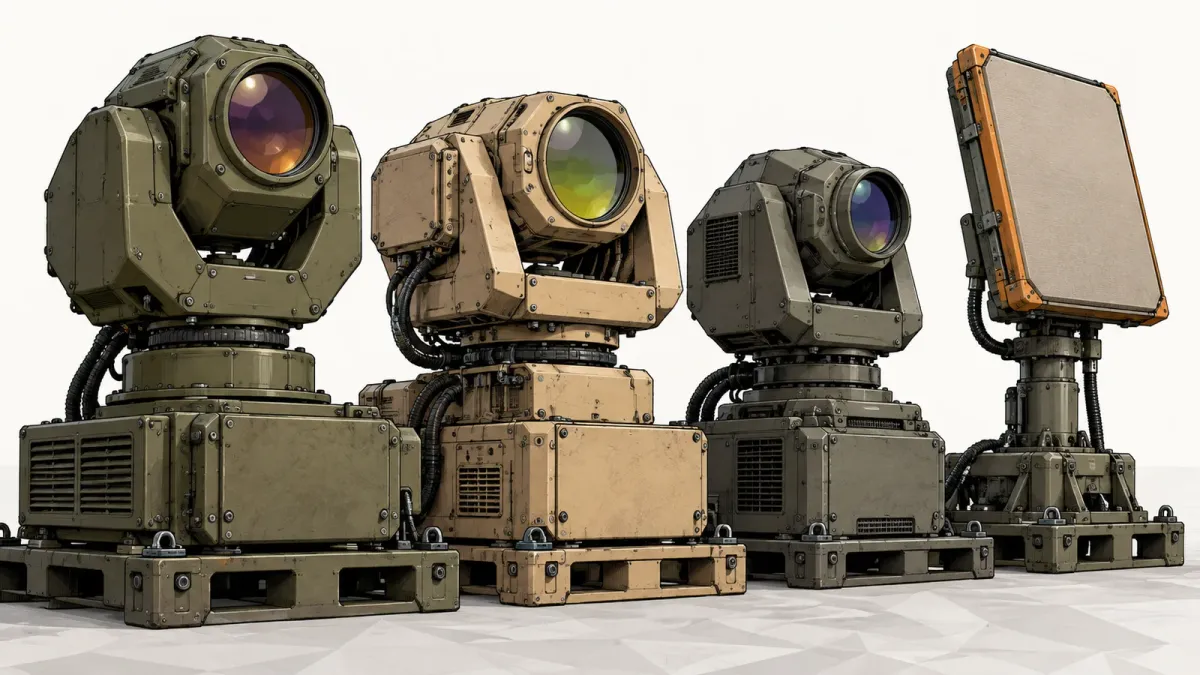
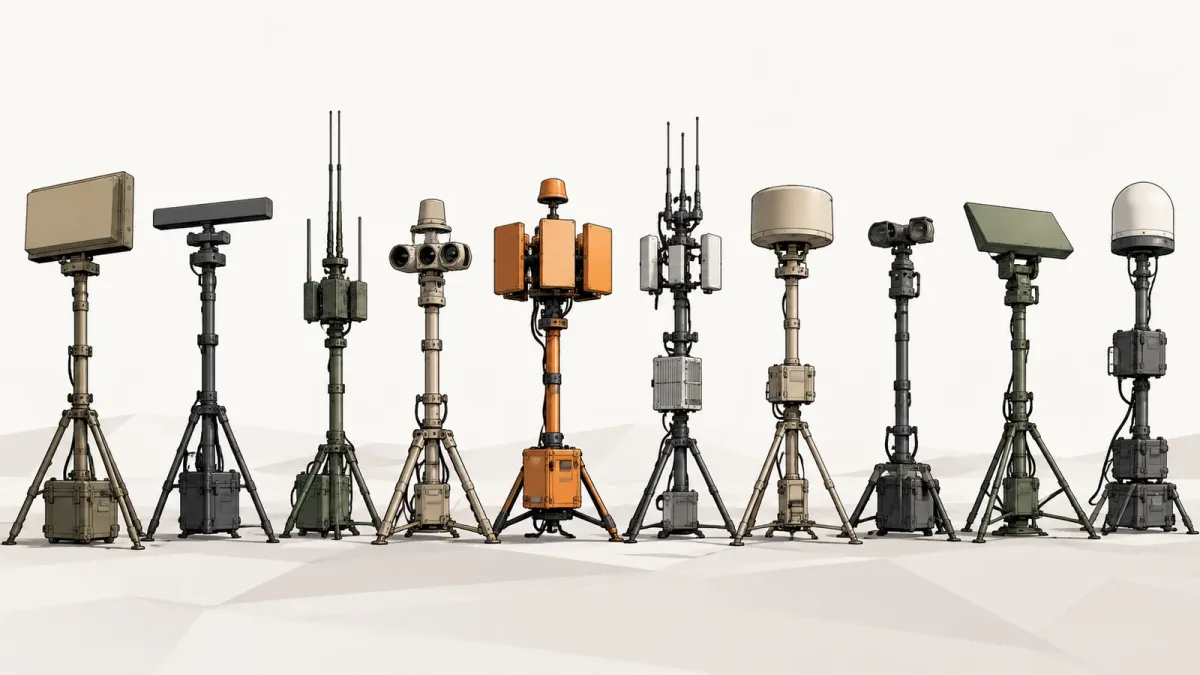
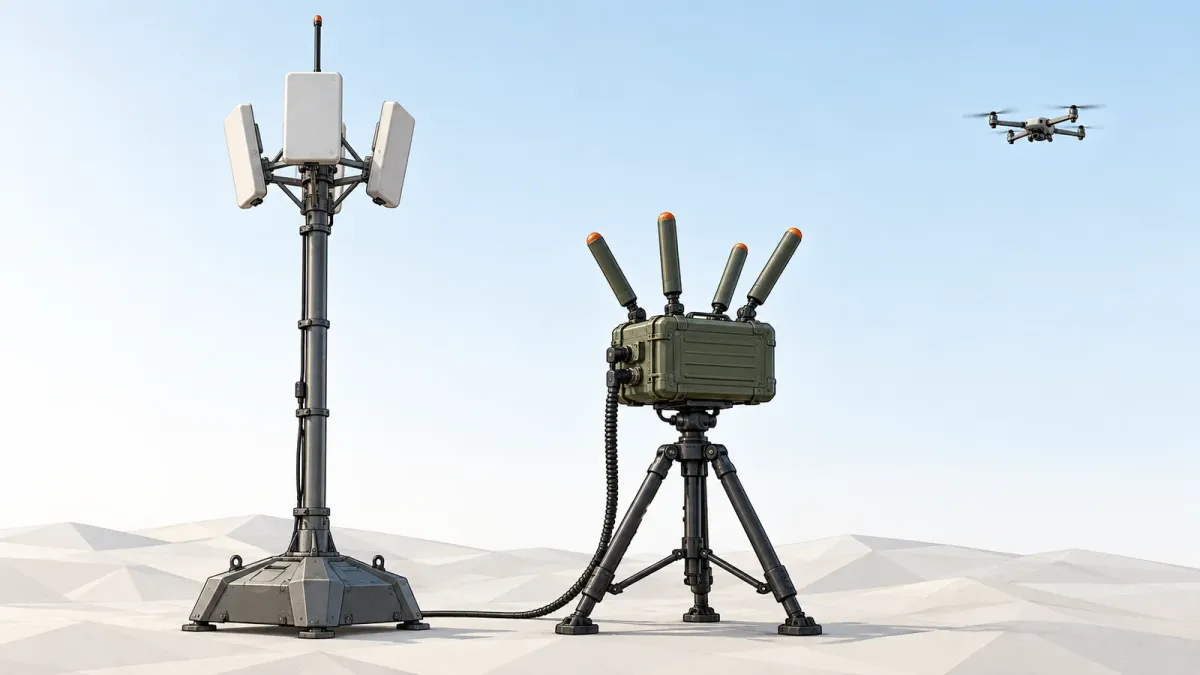
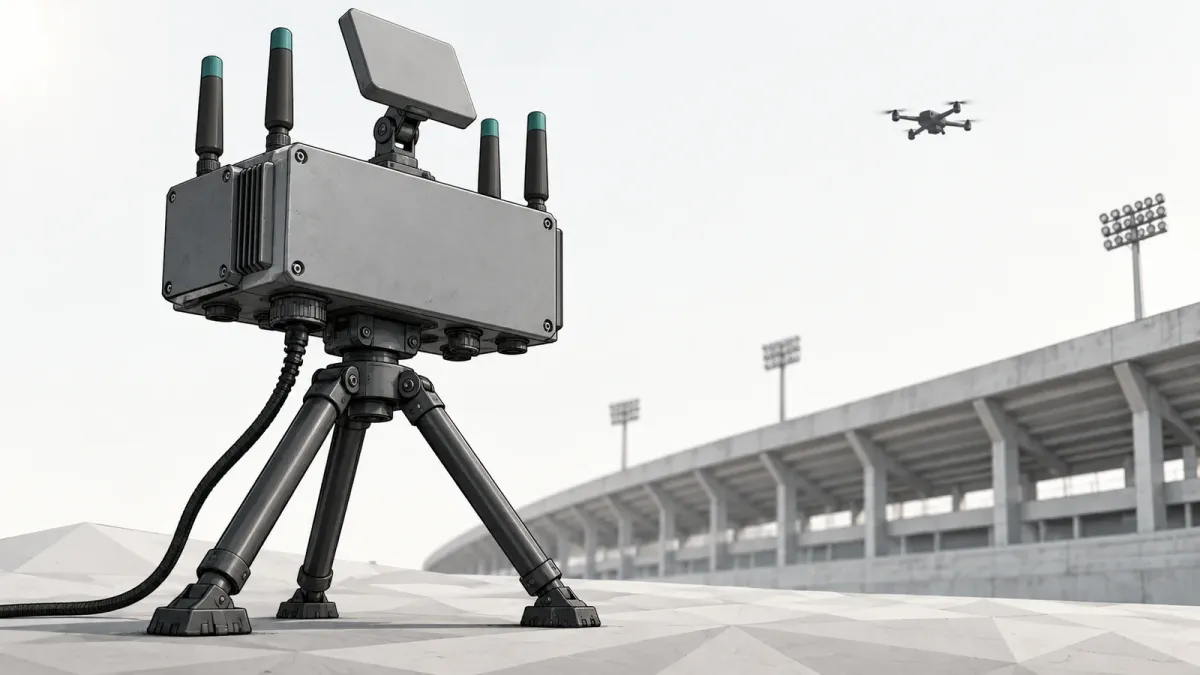
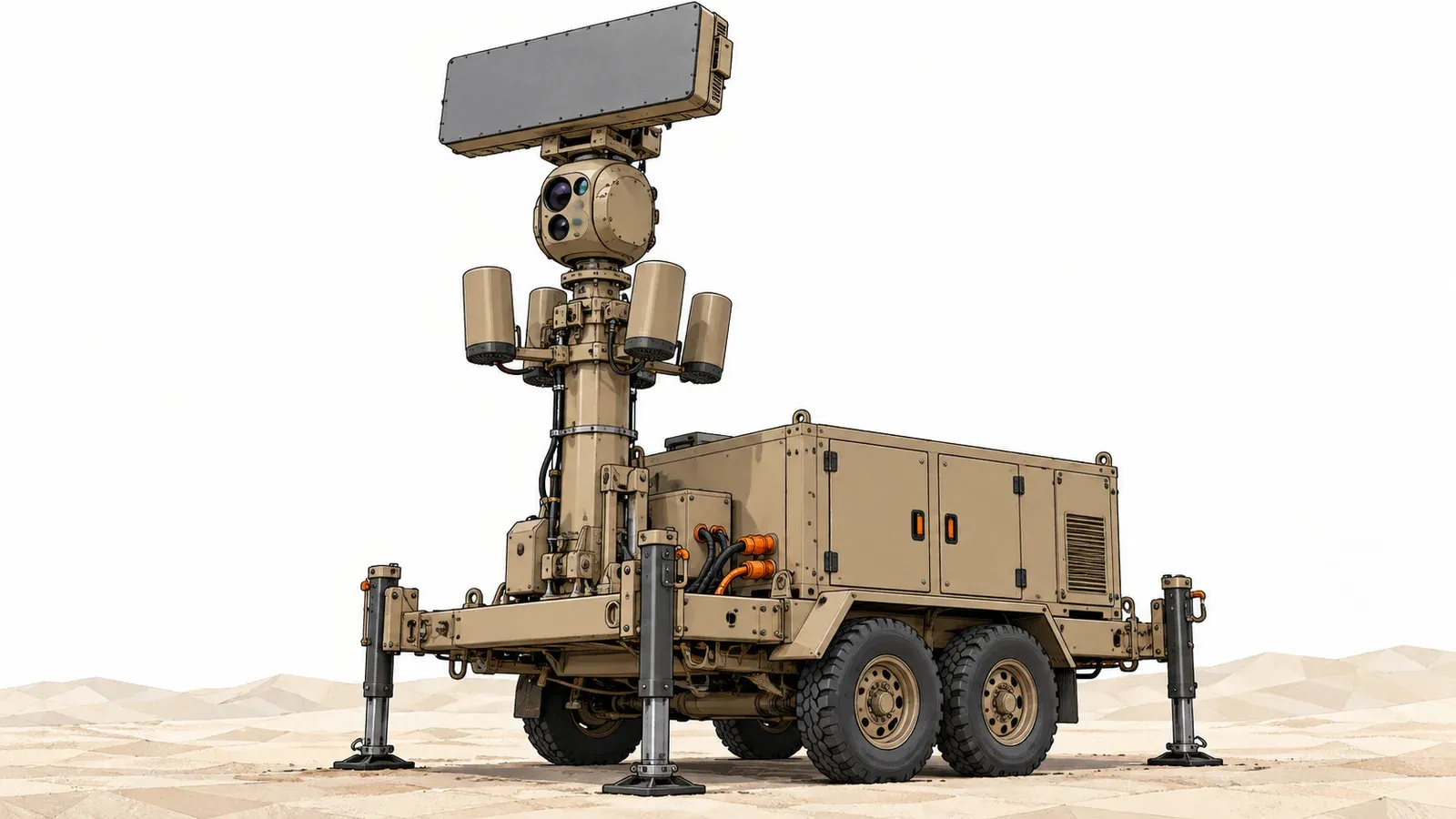
The system is built around NiDAR, MARSS’s command-and-control software. Radars, cameras and sonar feed command centres, where NiDAR merges their tracks into one picture of what is approaching. EOS also supplies the first interceptors and jammers. The sensors and weapons come from other manufacturers; EOS acts as prime contractor and integrator.
Production will be in Bristol and create 100 jobs, the ministry said. It counted the sale under Taskforce Sabre, its scheme to speed weapons to Gulf states after Iranian missile and drone attacks. Luke Pollard, the minister for defence readiness and industry, called it the UK “delivering on its promise” to regional partners.
What EOS still has to do
Work cannot start until three conditions are met. EOS met the first on 12 August: a £37 million performance bond, backed by £40.3 million of its own cash held at a bank. It still has to put up a £74 million bank guarantee, matched by an advance payment of the same size from Kuwait. It must also win export licences for the system’s parts within two months of receiving Kuwait’s paperwork.
EOS also needs consent from Washington H. Soul Pattinson, which lent it A$100 million in March at 14.75% interest, and from the banks behind its guarantees. If EOS misses a condition, the customer can cancel or have the work done at EOS’s expense. Some damages under the contract are uncapped. EOS said the contract carries financial and operational risks, “some significant”.
The size of it
The contract is worth about A$700 million. EOS expects revenue of A$360 million to A$400 million this year. Its order book at 30 June was A$846 million, of which 55% was in the Middle East.
That order book counts only unconditional work. EOS announced a US$80 million laser-weapon contract with a South Korean customer in December 2025, also subject to conditions. At 30 June it was still left out.
MARSS is new to the Canberra company. EOS completed the purchase in May for about A$51 million in cash. The sellers can earn up to €140 million more, mostly in EOS shares, if MARSS wins €700 million of new orders between January 2026 and May 2027.
EOS expects more than 80% of the revenue within two years of the contract becoming unconditional; the rest is four years of support. It expects the cash it has tied up in the project to start coming back in mid-2027.
The export licences are due within two months of Kuwait’s paperwork arriving. Neither EOS nor the ministry has said when that will be.