
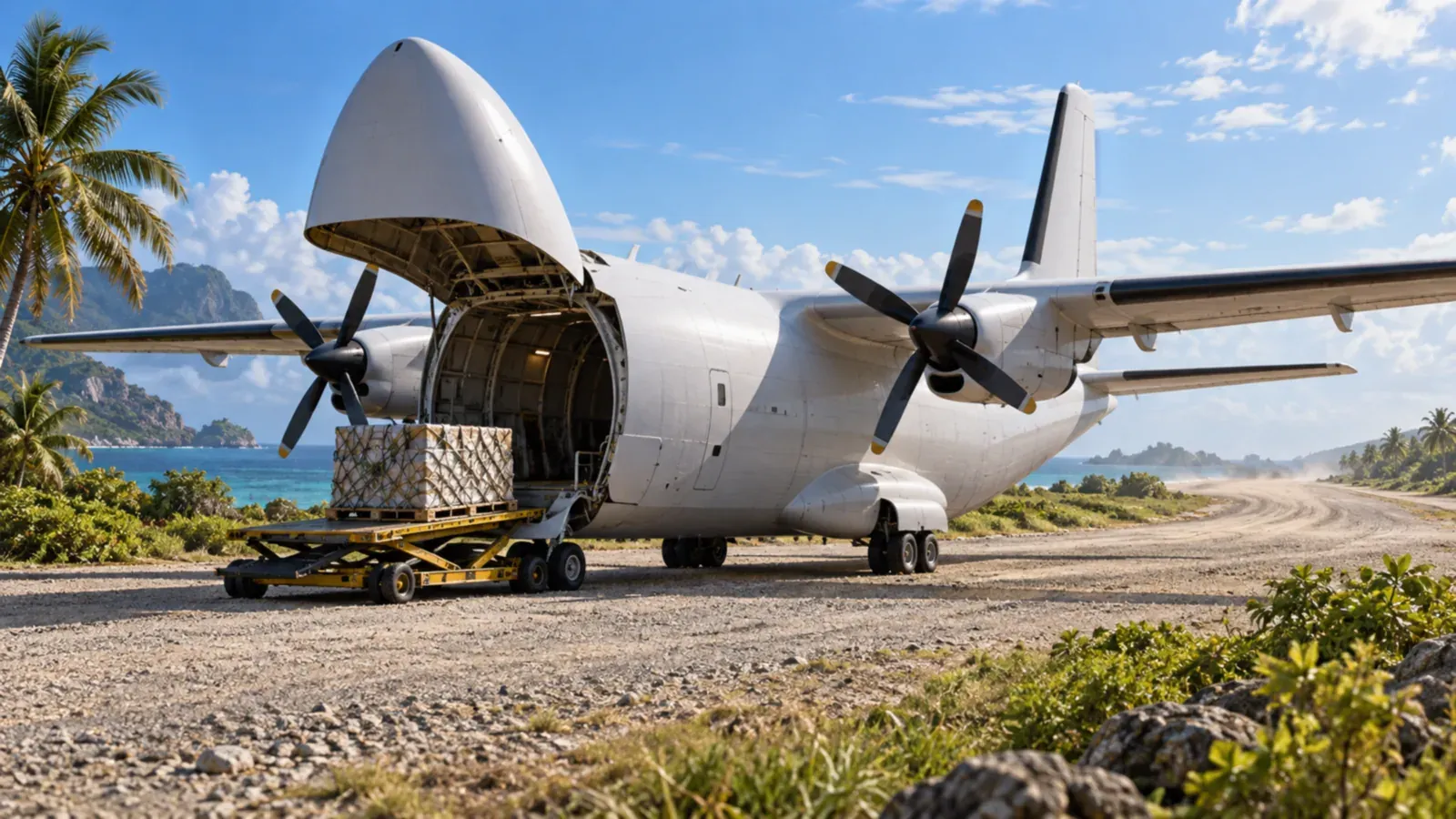
Textron Aviation and Merlin Labs showed a version of the Cessna SkyCourier with no cockpit at the Air and Space Forces Association conference on 14 September and offered it to the US Air Force as a cargo drone for resupplying islands in the Pacific.
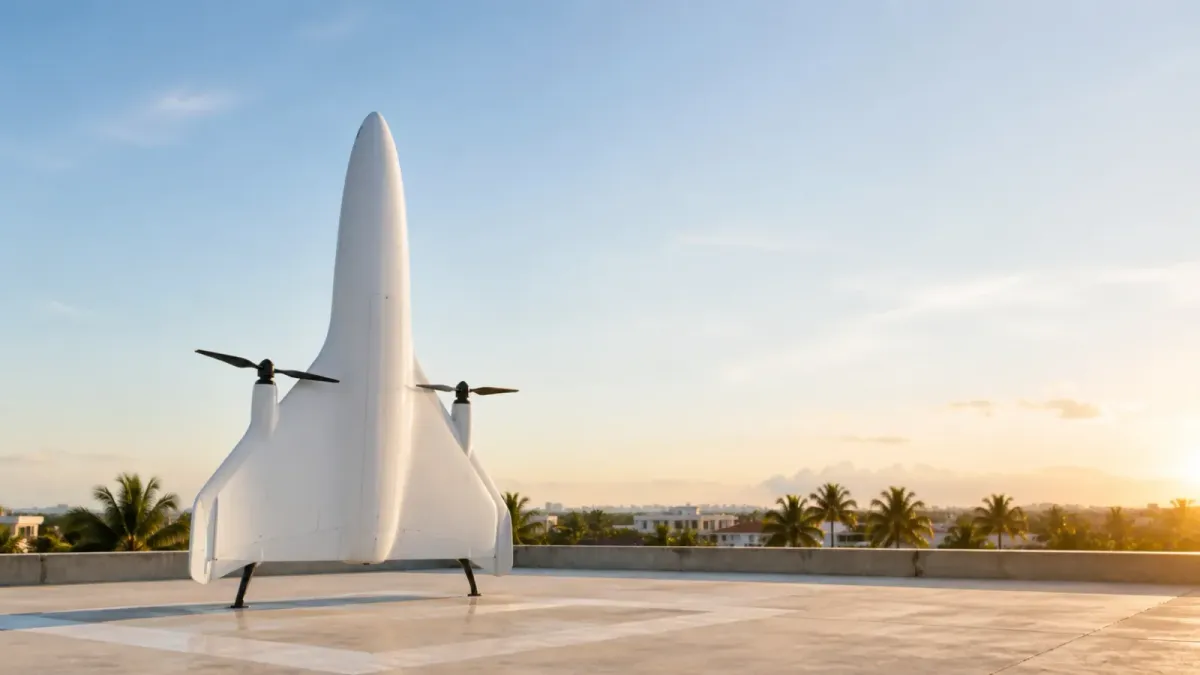
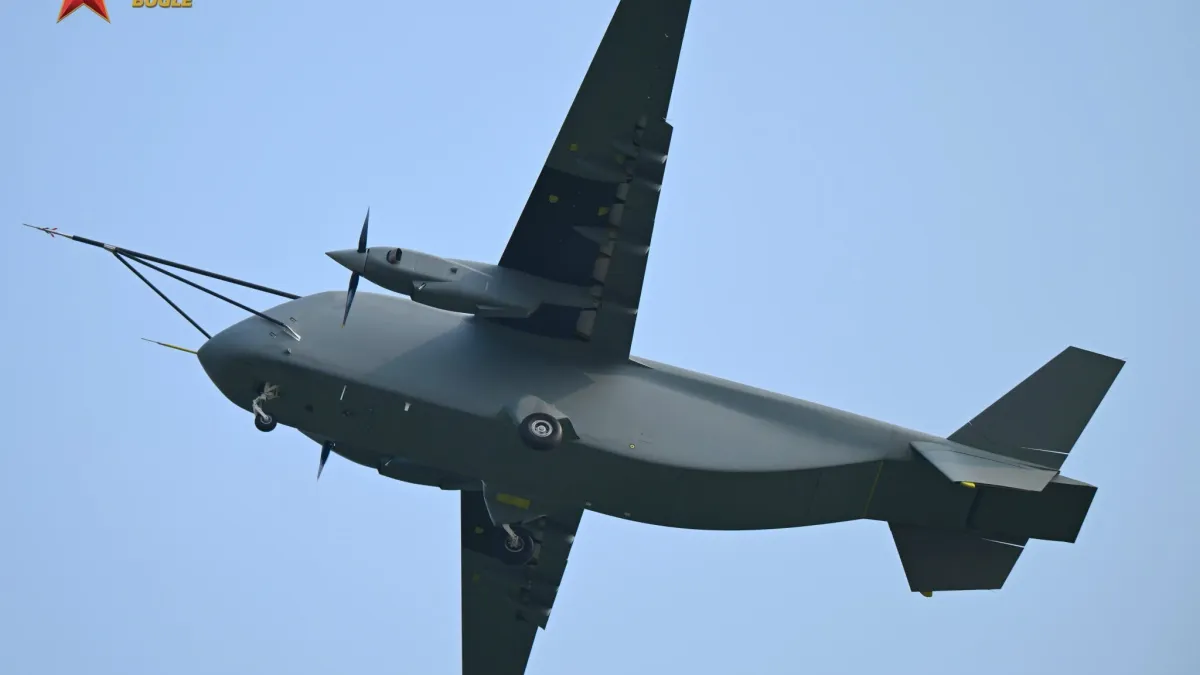
The SkyCourier UX keeps the certified airframe and its two Pratt & Whitney Canada PT6A turboprops. It removes the flight deck, replaces the nose with a hinged, flip-up door for automated loading, adds a kneeling gear, and gives the flying to Merlin Pilot, the autonomy software Merlin has flown for hundreds of sorties on Cessna Caravans and Beechcraft King Airs. The companies say it carries three tons over a thousand miles and lands on airstrips half a mile long. “They land in gravel, grass, whatever you need,” said Bob Gibbs, Textron’s vice-president for defence and special mission sales.
The job it is pitched for is what the Air Force calls the last tactical leg: moving fuel, parts and food between the scattered outposts of the second island chain — Palau, Tinian, Saipan — that a C-130 or C-17 is too large and too scarce to serve. “We can’t devote C-130s and C-17s to do a lot of these little shuttle missions,” said retired Maj. Gen. Kyle Kremer, who sits on Merlin’s advisory board. Matt George, Merlin’s founder and chief executive, said solving contested logistics “takes proven autonomy and a proven airframe.”
What exists and what does not
The SkyCourier has been in production since 2022; FedEx was its launch customer, and the freighter version lifts 6,000 pounds. Merlin’s software has an Air Force track record: the service cleared it for a KC-135 test campaign in 2024, and Special Operations Command awarded the company $105 million to build automated aircrew for the C-130J. Both halves of the proposal are real.
The whole is not, yet. What was at National Harbor was a concept, not a demonstrator; no aircraft has been converted, no contract has been signed, and the companies gave no price and no date for a first flight. Gibbs described it as the company’s “commitment to examining practical solutions,” which is the language of a pitch.
FlightBrief analysis: the argument is cost, and it cuts two ways. A pilotless SkyCourier is cheaper to fly than a crewed one and far cheaper than a C-130, but it also loses a certified aircraft’s certification the moment the cockpit comes out, and the FAA and the Air Force have no route yet for a three-ton uncrewed turboprop in shared airspace. In the Pacific, where the airspace is military and the strips are empty, that may not matter. Anywhere else it does.
The Air Force has not issued a requirement for an uncrewed last-tactical-leg aircraft. Textron and Merlin said the SkyCourier UX could be available “tomorrow”; they did not say for how much.