
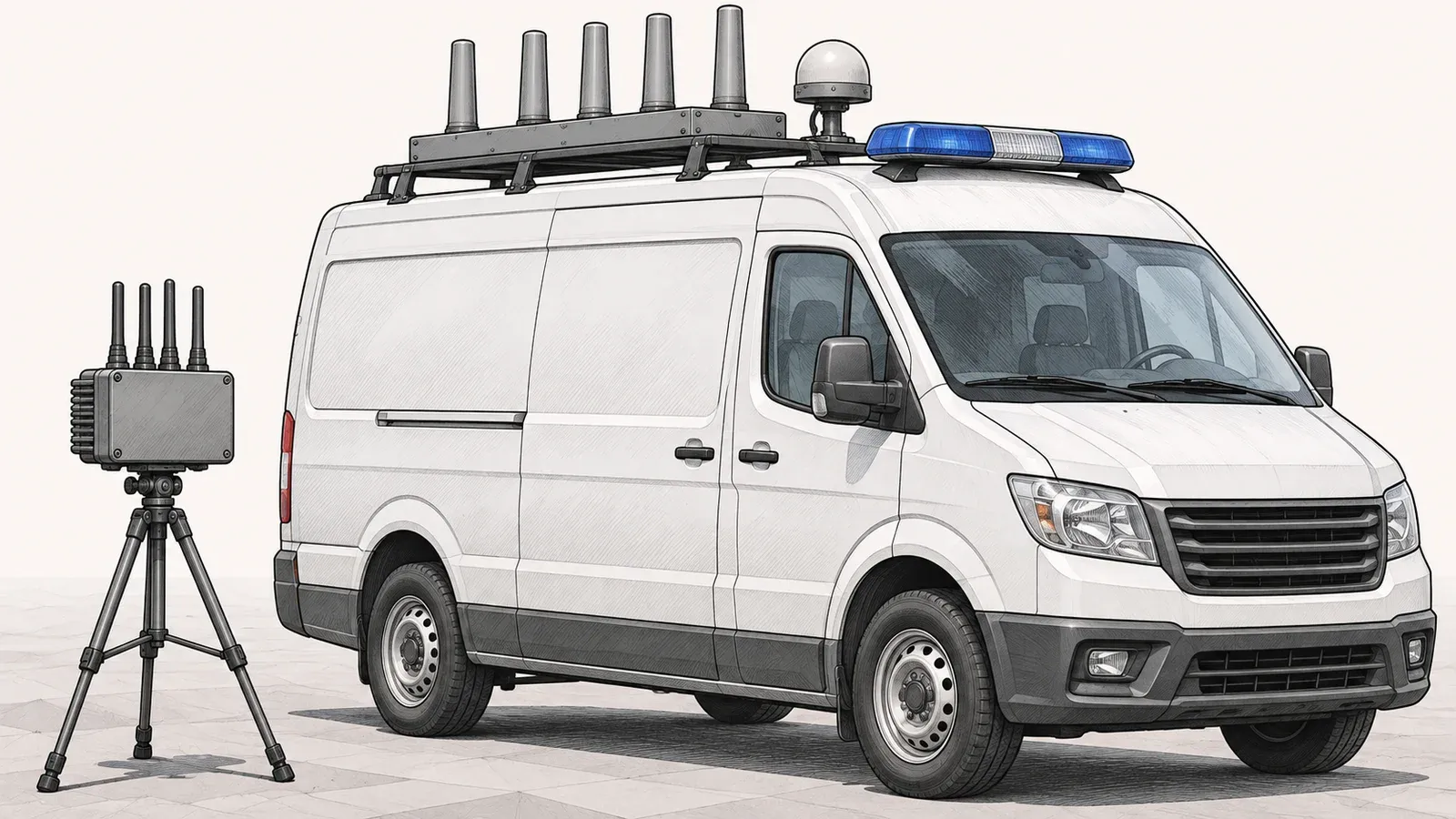
Police in two Xinjiang counties opened tenders on 7 November for equipment that finds and jams drones. Yutian county budgets ¥2.01 million, about $300,000, and Awati county ¥2.25 million. Both notices appeared on China’s national government procurement website.
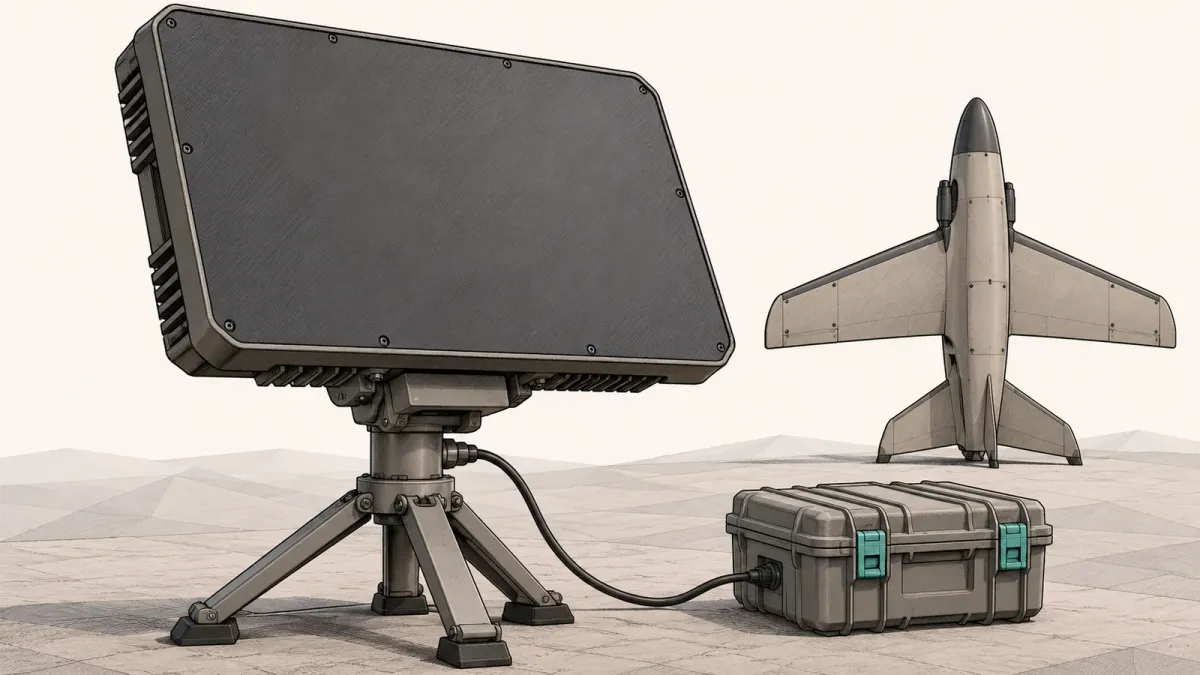
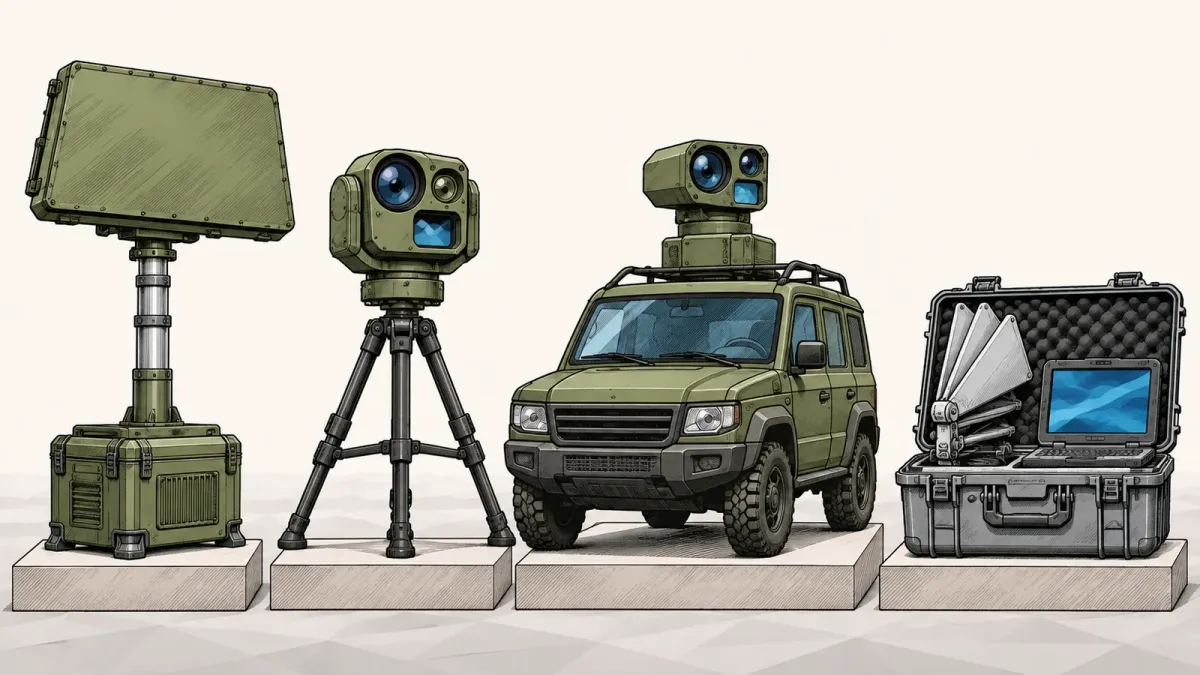
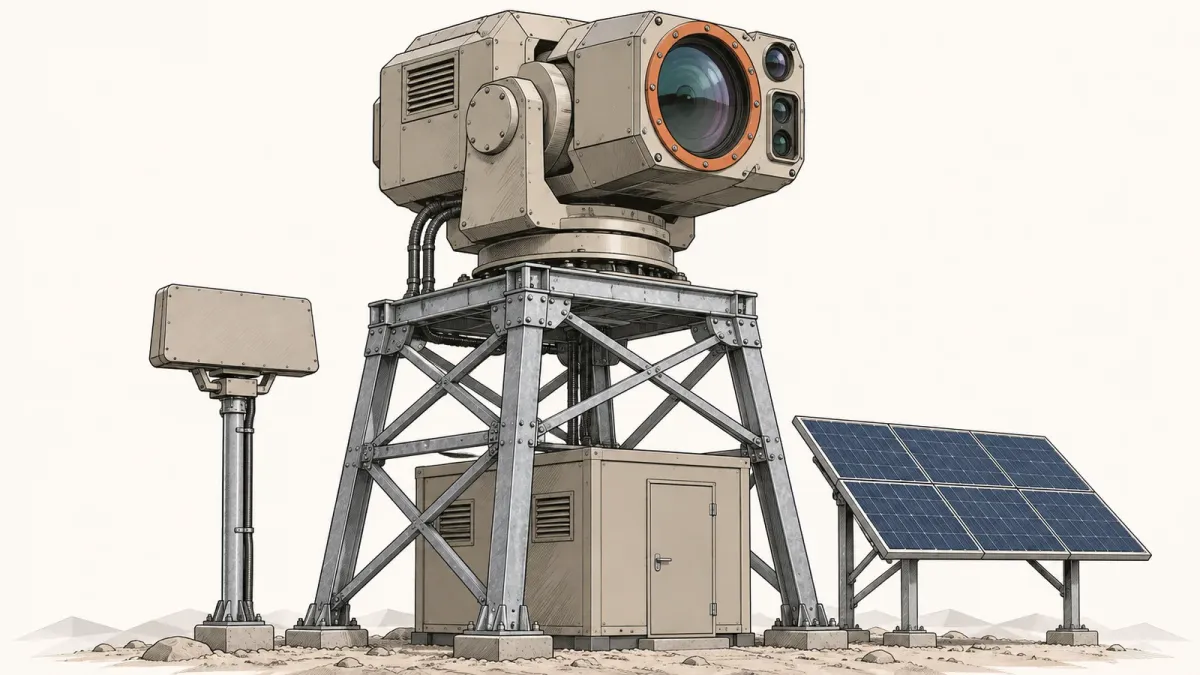
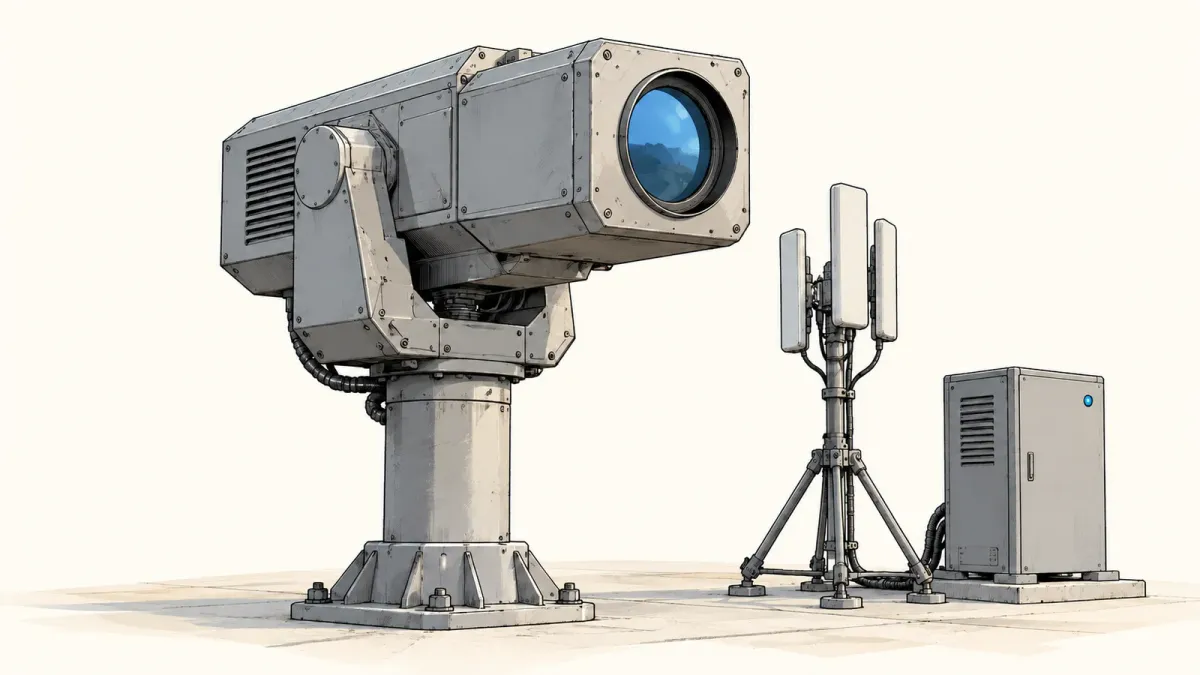
Yutian’s police want a batch of drones and counter-drone gear. The core product is what the tender calls a “detect-and-strike” unit. It must jam a drone at 2 km or more and identify it at 5 km, transmitting on five radio bands that drone links and satellite navigation use.
Its control software has to locate the pilot’s remote controller and keep a whitelist of drones allowed to fly. The order also covers industrial drones with thermal cameras, and loudspeakers to fit to them. The notice’s title calls the buyer only “a certain unit” in Yutian; the purchaser it lists is the county’s public security bureau.
A truck that jams
Awati’s police are buying a counter-drone vehicle. The winner must convert a vehicle, give it police lights and markings, and fit it with drone detection and jamming equipment. The price is capped at ¥2 million, below the ¥2.25 million budget. Bids close on 27 November.
Neither county will take imported products, their tender documents say.
Hubei and Hangzhou
Hubei’s provincial public security department is buying “drone detect-and-strike integrated equipment” too. It is one of four lots in a ¥2.88 million emergency equipment tender, beside flood-rescue gear, lighting and police motorcycles. The notice gives no budget for the drone lot, and bids close on 28 November.
In Hangzhou, the police of Linping district will pay up to ¥1 million for a year of drone flying services. The notice does not say what the drones will do.
Chinese police are steady buyers. In the week to 20 October they placed 31 of the 132 drone purchases posted on the same website, by FlightBrief’s count. Tashkurgan, another Xinjiang county, awarded ¥10.99 million on 2 November for three counter-drone stations with lasers. Yutian’s bids close on 1 December.