
Shield AI has agreed to buy Echodyne, a maker of counter-drone radars in Kirkland, Washington, in a deal it values at $5.3 billion. The companies announced it on 5 November.
Shield AI says $4.8 billion will be “paid and issued” at closing, wording that covers both cash and shares. It has not given the split. The other $500 million depends on Echodyne meeting performance targets that were not published.
How Shield AI pays for it
Shield AI is raising $2.5 billion to support the deal. Only $1 billion of that is new shares: a Series H at a valuation of $28.8 billion after the money. Funds managed by Blackstone add $1 billion of structured equity, and JPMorgan Chase Bank arranges $500 million of debt.
In March, Shield AI’s Series G valued it at $12.7 billion. The new price is more than twice that, eight months later. Disruptive and Innovation X Capital co-lead the Series H, whose money goes “principally” to the acquisition, the company says.
Neither company gave its revenue. Both “expect triple-digit revenue growth this fiscal year”, the announcement says.
What Echodyne makes
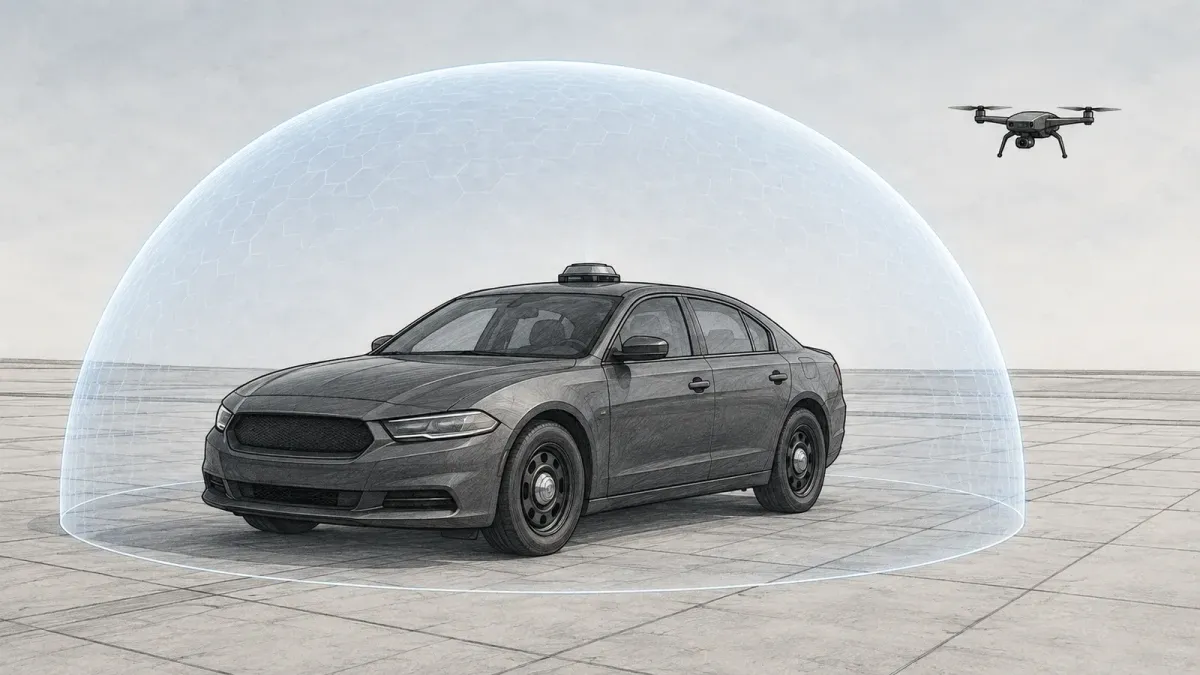
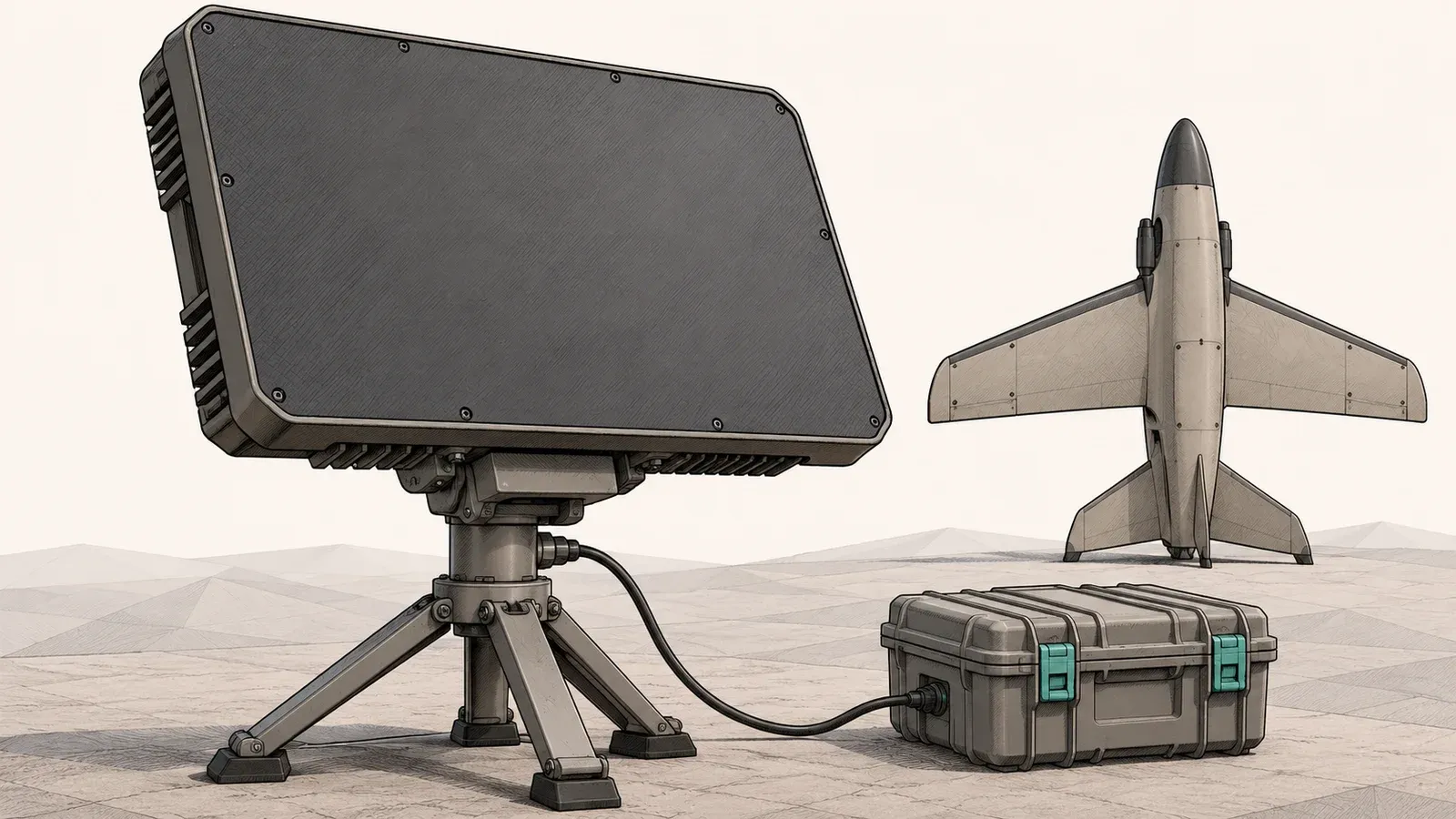
Echodyne builds small solid-state radars on an antenna design it patented, the metamaterials electronically scanned array. Its radars sit inside hundreds of counter-drone and security systems, for customers in more than 40 countries, the companies say. Echodyne’s own website shows them on systems from Chess Dynamics, EOS Defense Systems and OpenWorks Engineering, among others.
In September the Army gave Echodyne a three-year counter-drone contract with a $250 million ceiling. It was one of ten such awards for the Pentagon’s counter-drone task force, JIATF-401. A ceiling caps what the government may spend; it is not an order.
Echodyne recently opened an 86,350-square-foot factory in Kirkland, a $40 million investment. The companies say it will be able to build about 30,000 radars a year.
What changes for its customers
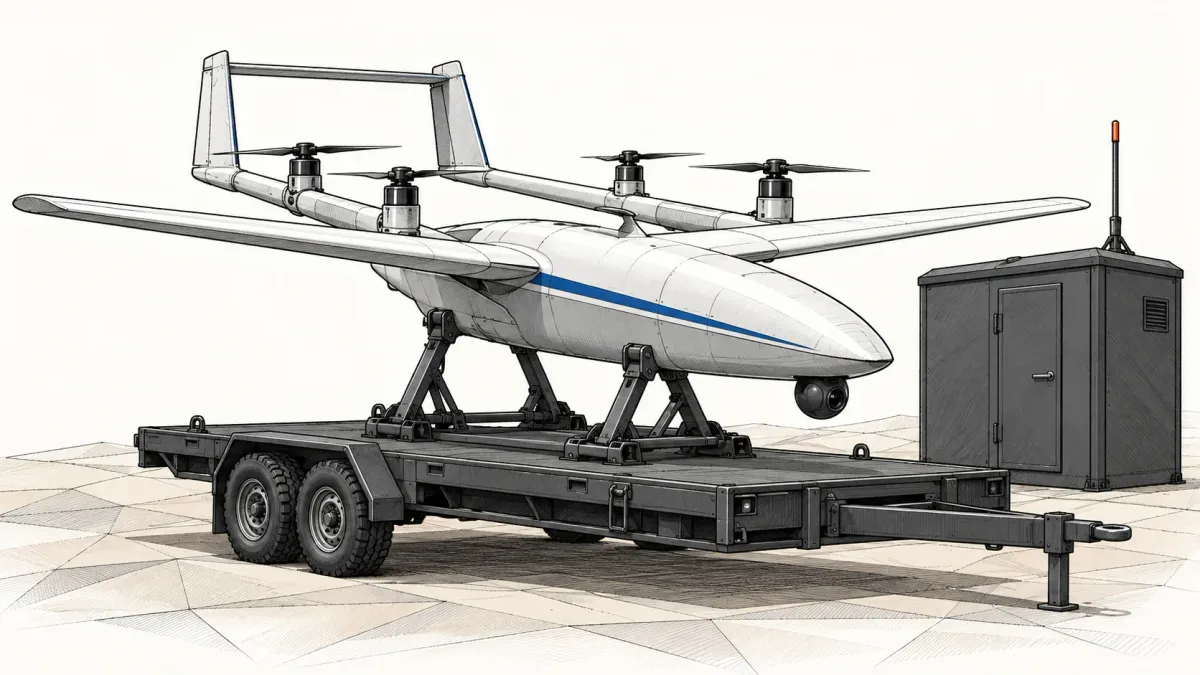
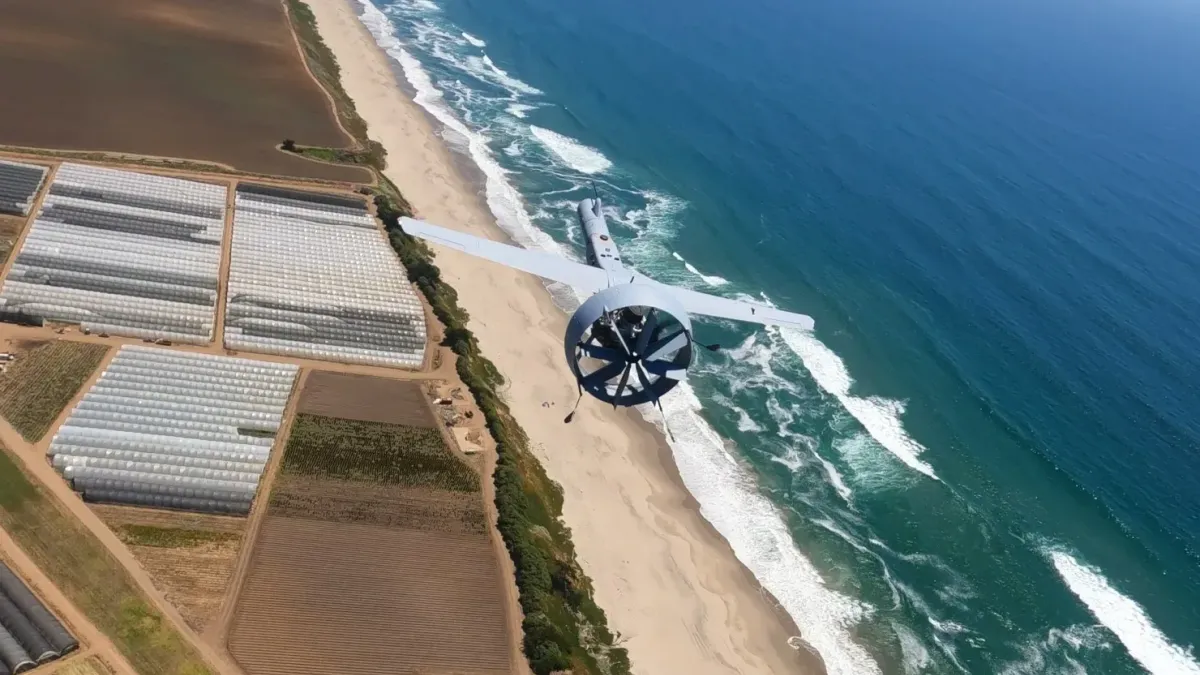
Shield AI, based in San Diego, sells Hivemind autonomy software and the V-BAT and X-BAT drones. Its announcement calls the company simply Shield. Echodyne will join its mission systems unit, beside autonomy software and autonomous aircraft.
Autonomous systems “can only act on what they can sense”, said Eben Frankenberg, Echodyne’s chief executive and co-founder. He will report to Gary Steele, Shield AI’s chief executive, and keep charge of products, manufacturing and customers.
Echodyne’s radars will stay on sale as standalone products, the announcement says. FlightBrief analysis: that promise matters to the firms that build them into their own counter-drone systems. After closing, they will buy a core sensor from a drone company.
The third counter-drone buyout
Large companies have been buying counter-drone makers. Axon bought Dedrone in 2024. Motorola Solutions closed its $1.5 billion purchase of D-Fend Solutions on 20 August.
At $5.3 billion, the Echodyne deal is more than three times that price. It is expected to close in early 2027, once regulators approve it.