Motorola Solutions closed its $1.5 billion acquisition of counter-drone company D-Fend Solutions on August 20, three weeks after the Department of Homeland Security opened a counter-drone contract worth the same amount.
Motorola makes police radios. It has never sold a counter-drone system. It now owns one of the best-known ones on the market, bought two months after a new federal rule handed American police the authority to bring drones down themselves.
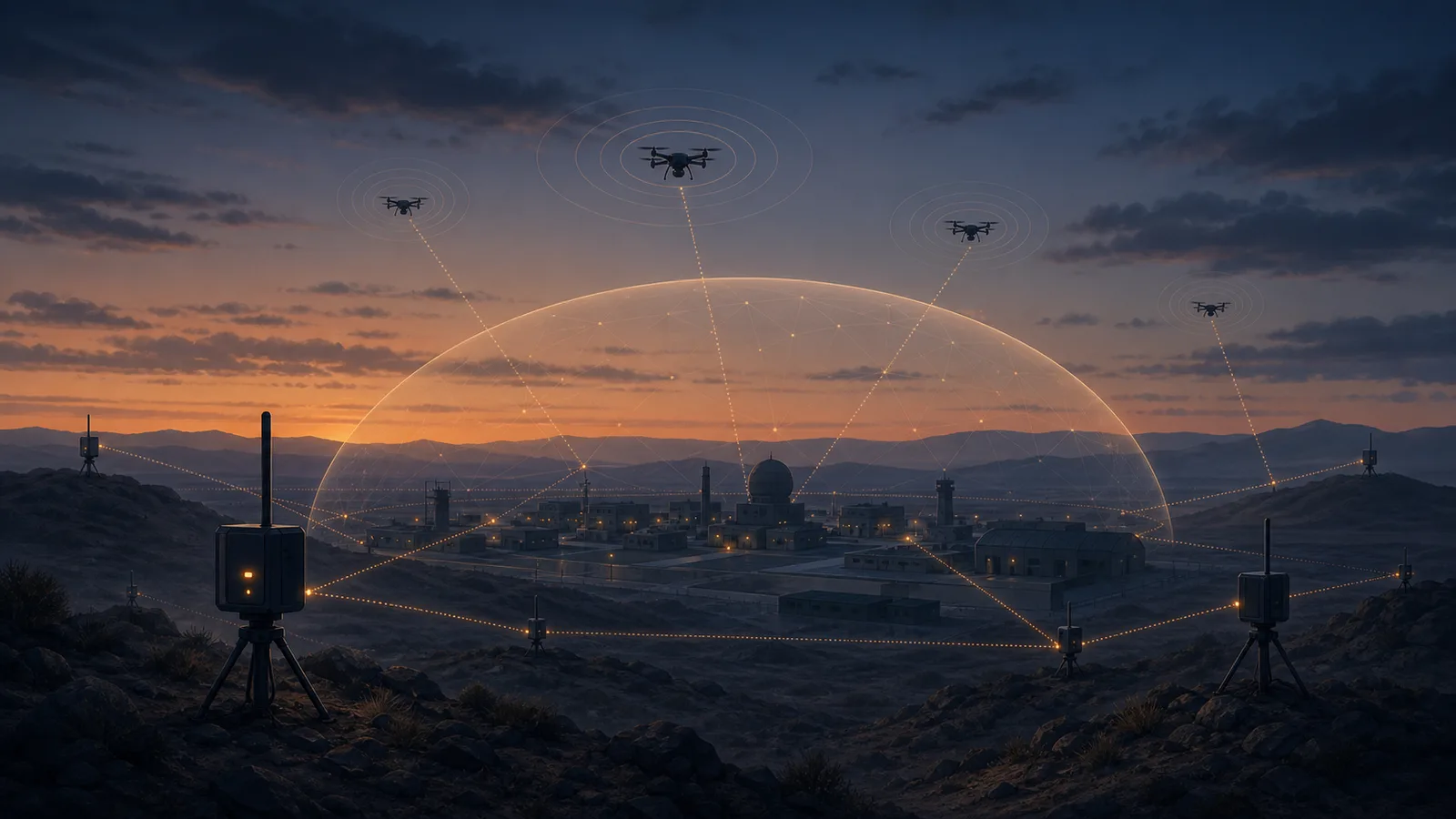
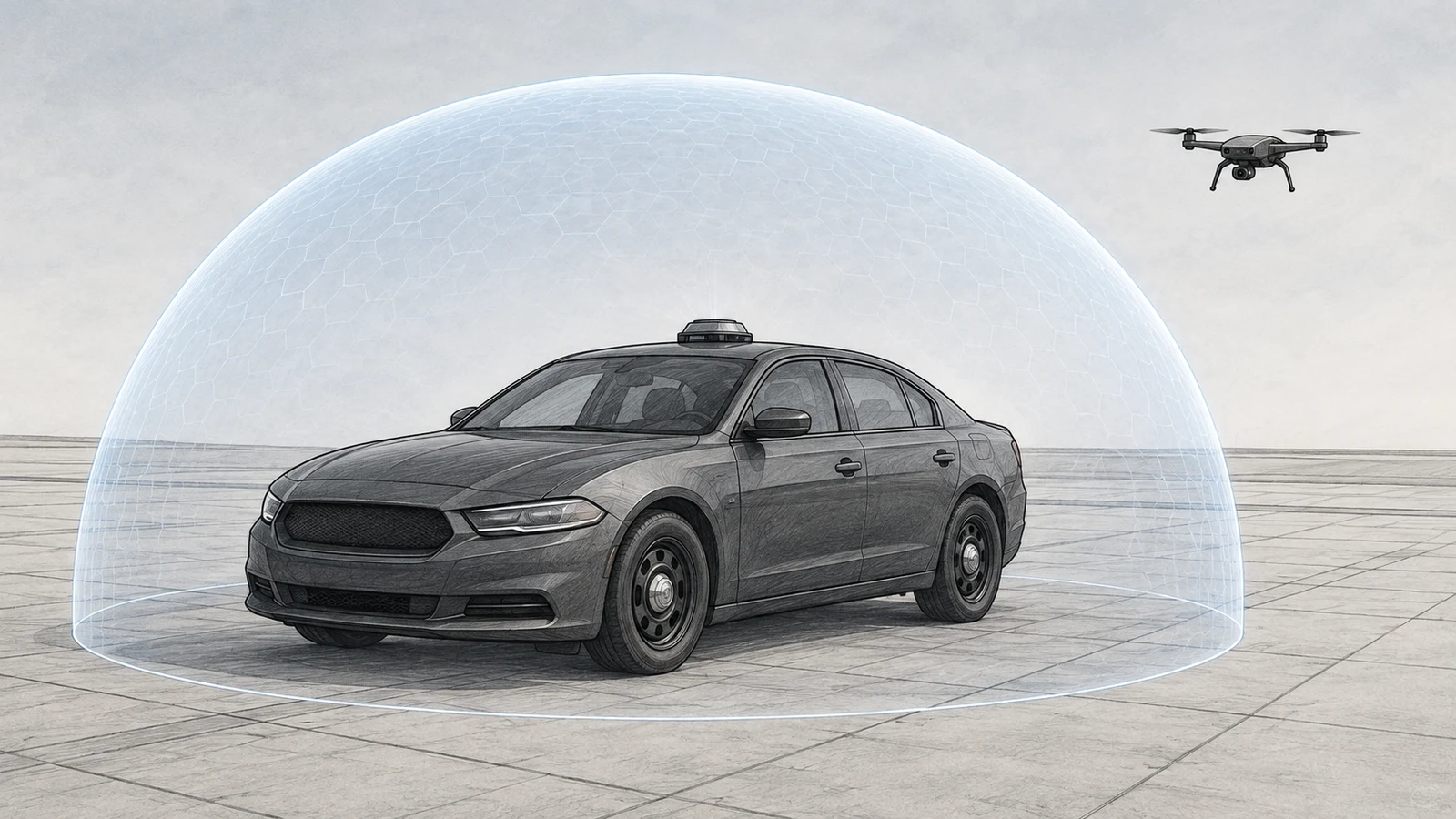
D-Fend’s EnforceAir does not jam or shoot. It takes over an intruding drone’s control link and lands it, which is the difference between something you can use over a stadium and something you cannot. Motorola disclosed expected 2026 revenue of about $185 million for the business, growing more than 50% a year over the past three years. Zohar Halachmi stays on as D-Fend’s chief executive and now runs Motorola’s counter-drone unit.
Axon is doing the same thing from the other direction. It bought Dedrone in 2024, and Dedrone Defense holds one of seven slots on the DHS contract alongside D-Fend. The two companies that already sell radios, body cameras and evidence software to most American police departments now both own a way to stop a drone — and FEMA is handing states $250 million this year to buy one.
The DHS contract runs five years to July 2031 and came out of the department’s Science and Technology Directorate. Track 1, worth about $1.01 billion, covers hardware and software: Dedrone Defense, D-Fend, Leidos, Fortem Technologies, CACI, BAE Systems and EMS Defense Technologies. Track 2, at roughly $489 million, covers managed services: Booz Allen Hamilton, General Dynamics Information Technology, Parsons, Anduril, Astrion, and Leidos and BAE again. Fifty-seven companies bid for the first track, 47 for the second.
Until now each DHS component ran its own competition, so a supplier sold to them one at a time. Now they all order from the same twelve firms. A thirteenth company reaching a DHS customer has to do it as somebody else’s subcontractor.
The market underneath is newer. The SAFER SKIES Act, part of the defence bill signed in December, let certified state and local police detect and in some cases bring down drones, and the rule implementing it took effect on July 1. Before that a police department could watch a drone over its own stadium and do nothing. Roughly 46 agencies have been trained and certified. The government’s own paperwork expects about 1,850.
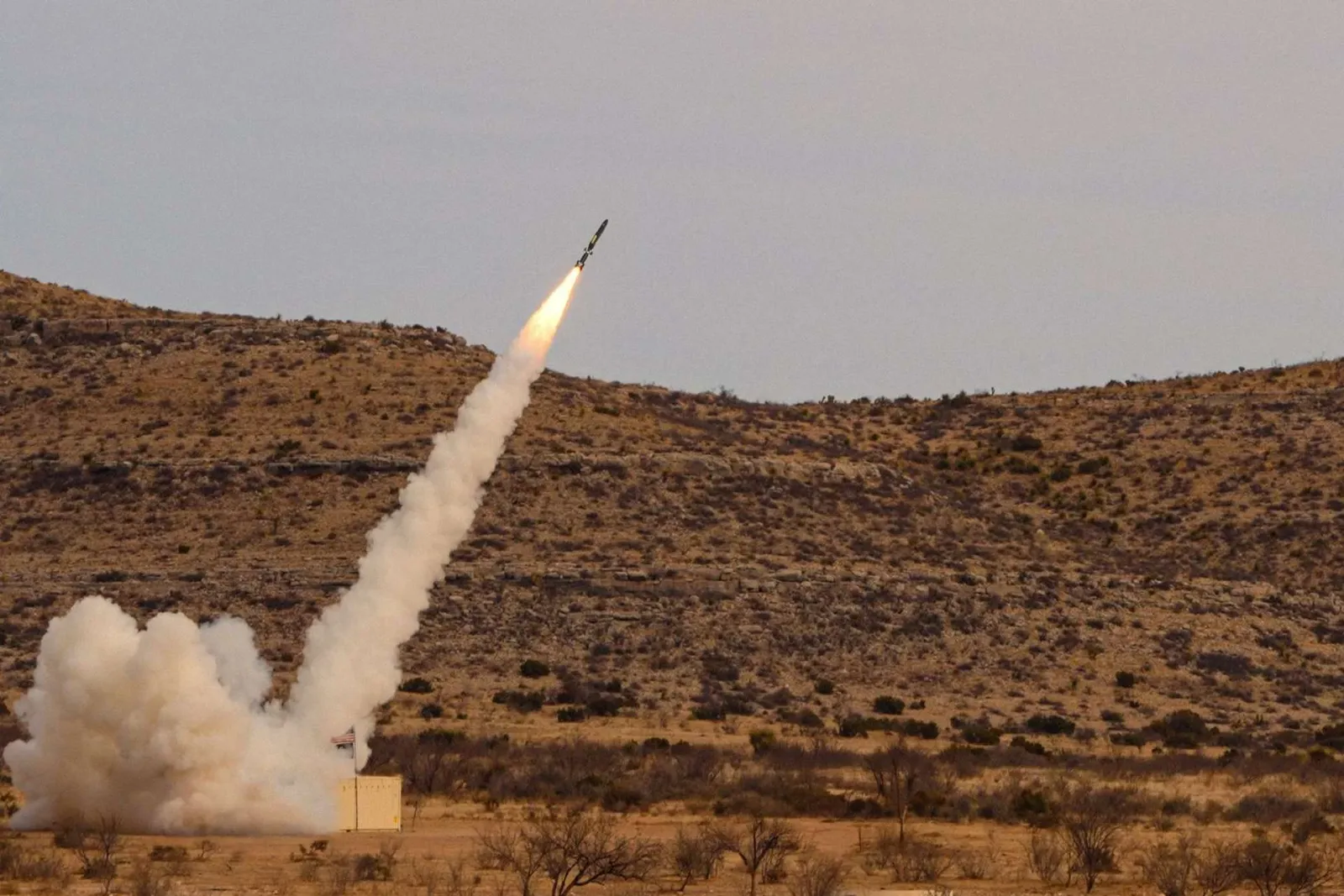
Whether the defence primes hold that ground is open. Raytheon’s Coyote interceptors, SRC’s LIDS and AeroVironment’s LOCUST X3 laser — which won the first US production contract for a high-energy laser weapon on September 2 — all assume an environment that tolerates shooting things down. A police department over a populated neighbourhood does not. What it can use is detection and the kind of takeover D-Fend built, sold by a company whose salespeople are already in the building.