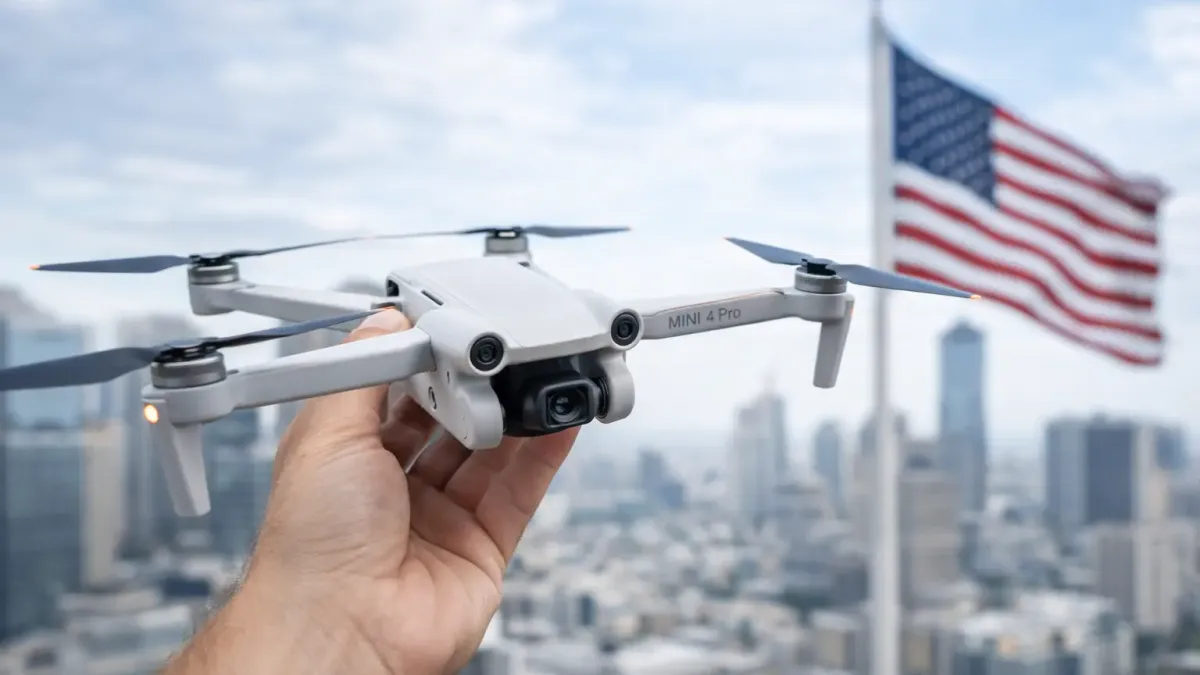

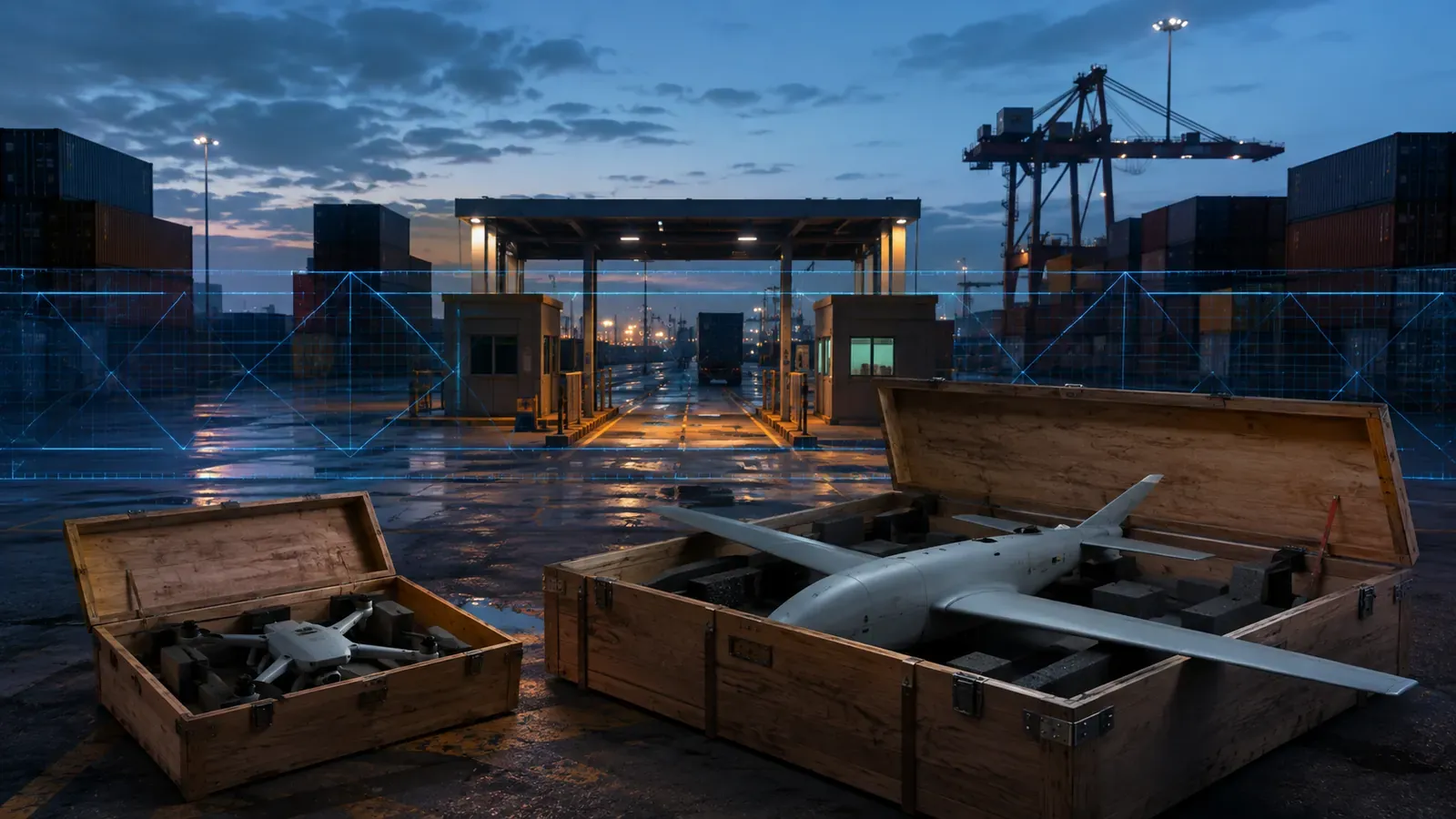
From 3 September, importing a drone into the United States costs 25% more if it weighs 25kg or less, and twice as much as it did if it weighs more than that or carries a thermal imager. The rates come from a Section 232 proclamation President Trump signed on August 13, and the first two tranches take effect September 3.
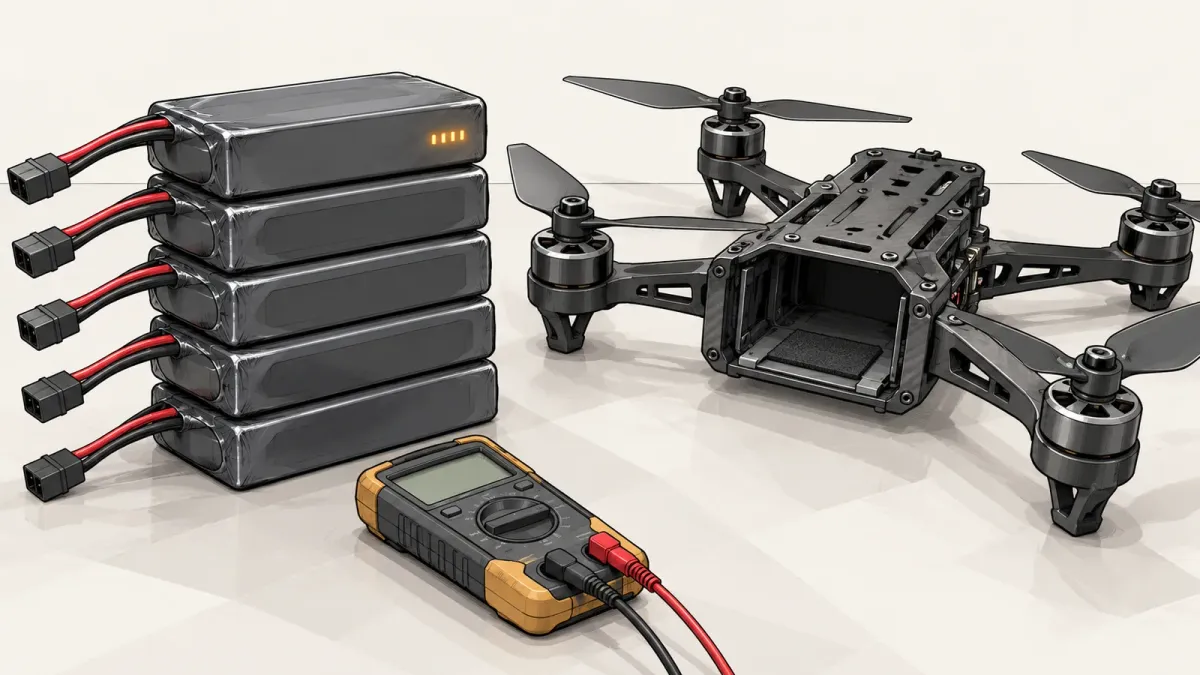
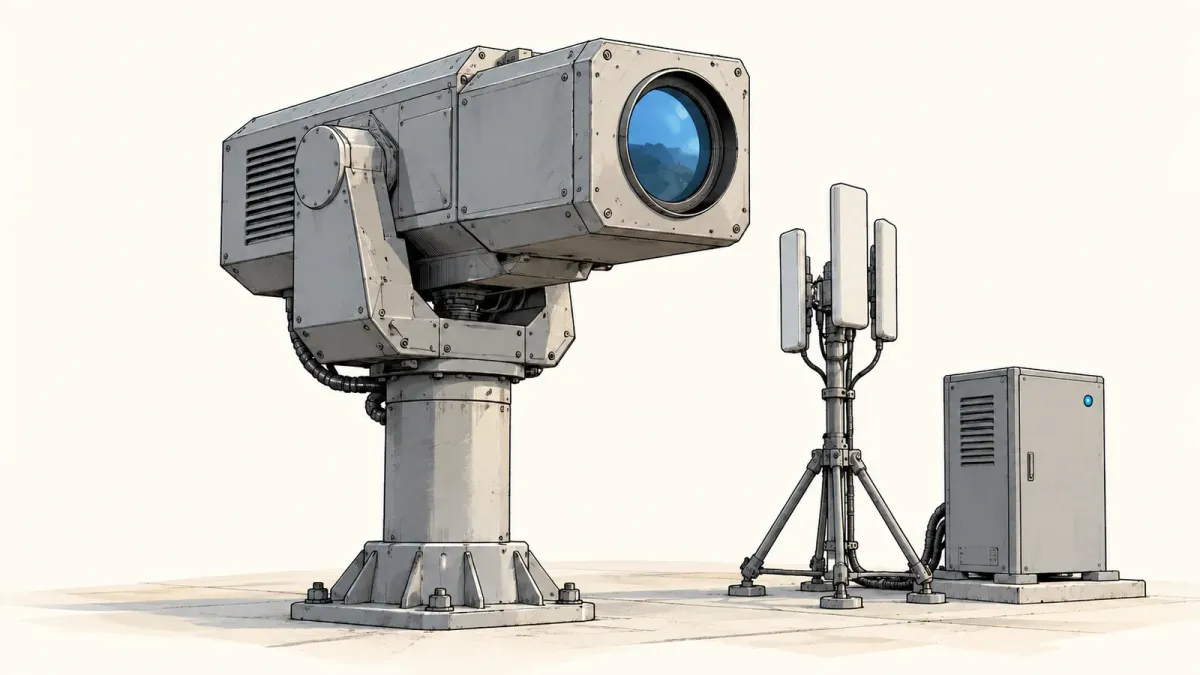
The structure matters more than the headline number. Annex I of the proclamation applies 100% ad valorem to uncrewed aircraft above 25kg maximum take-off weight, to any uncrewed aircraft incorporating a thermal imager regardless of weight, to docking stations, and to a list of critical components. Annex II applies 25% to everything at or below 25kg — which is to say the entire consumer and prosumer camera-drone category, and most of the enterprise inspection fleet. Annex III adds a further 25% on a second list of components, but not until February 9, 2027, a 180-day delay the proclamation grants explicitly so domestic production can stand up first.
The stated basis is that uncrewed aircraft and their components “are being imported into the United States in such quantities and under such circumstances as to threaten to impair the national security of the United States.” The proclamation cites supply-chain dependence, insufficient domestic capacity, and software that “allows data to be sent back to the manufacturer in a foreign country.”
The allied discount nobody can claim yet
Japan, South Korea, Taiwan, Switzerland, Liechtenstein and EU member states are capped at 15% ad valorem inclusive of existing HTSUS Column 1 rates. The United Kingdom is capped at 10%. Neither cap is automatic. An importer has to certify that “substantially all the critical components and technology” originate in the United States or one of those qualifying jurisdictions.
Commerce has not defined “substantially all.” Until it does, the allied rate is a provision without a test, and an importer claiming it is guessing at the threshold it will later be audited against. For a European or Japanese manufacturer whose motors, batteries and radios still come through China — which describes most of them — the cap may not be reachable in any case.
Today is the snapshot date
Products on the Blue UAS Cleared List or the FCC’s Conditional Approval List as of September 2 receive a 180-day delay on the Annex I and Annex II duties. A platform cleared on 3 September or later does not qualify.
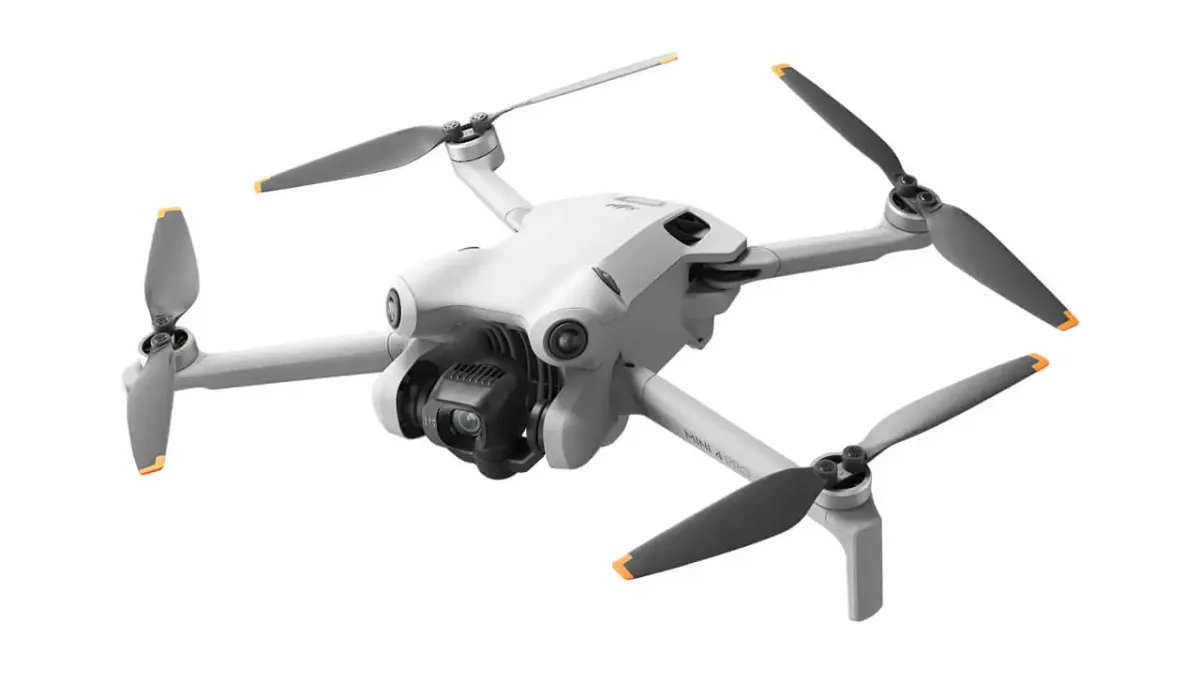
This turns two lists that were built as security vetting mechanisms into something closer to tariff relief, and it hands a concrete six-month pricing advantage to the roughly seventeen holders of FCC conditional approvals and to the Blue UAS roster. Neither DJI nor Autel Robotics holds a conditional approval. Both were placed on the FCC Covered List, which already blocks new equipment authorizations for their hardware.
That stacking is the real consequence for the US market. The Covered List stops new DJI and Autel models from being authorized at all; the tariff raises the price of the legacy inventory still moving through retail and grey-market channels. American buyers face a category where the incumbent products cannot be replaced with newer ones and the remaining stock gets more expensive on the same day.
The onshoring bet
The proclamation also creates a route around itself. A company that submits an approved plan to build or expand US manufacturing may import covered products and production equipment duty-free while the facility is under construction, in volumes tied to the plant’s anticipated output. Construction must begin before January 20, 2029. Commerce audits compliance and can rescind the relief and collect retroactively where commitments are not met.
That is a deliberate design: rather than simply taxing imports, it offers a firm the choice of paying the duty or committing capital to a US plant on a fixed timetable. Component manufacturers already building domestically — Unusual Machines among them — are positioned to absorb demand that the duty displaces, though whether US capacity exists at the volumes required is a separate question from whether the incentive is well aimed.
FlightBrief’s reading is that the near-term effect is a price rise the domestic supply base cannot yet answer. The 180-day deferral on Annex III components and the construction window to 2029 both concede the point: the proclamation assumes the capacity it wants does not exist today. Watch for Commerce’s definition of “substantially all,” the first tranche of approved onshoring plans, and whether Customs guidance narrows or widens what counts as a covered component.