
FLIGHTBRIEF

No One Is Replacing DJI in the US Consumer Market

The DJI ban has left a gap no US dronemaker wants to fill. Defense contracts pay better, and nobody is competing for the 90% of the market DJI dominated.

Delfim de Almeida3 min read
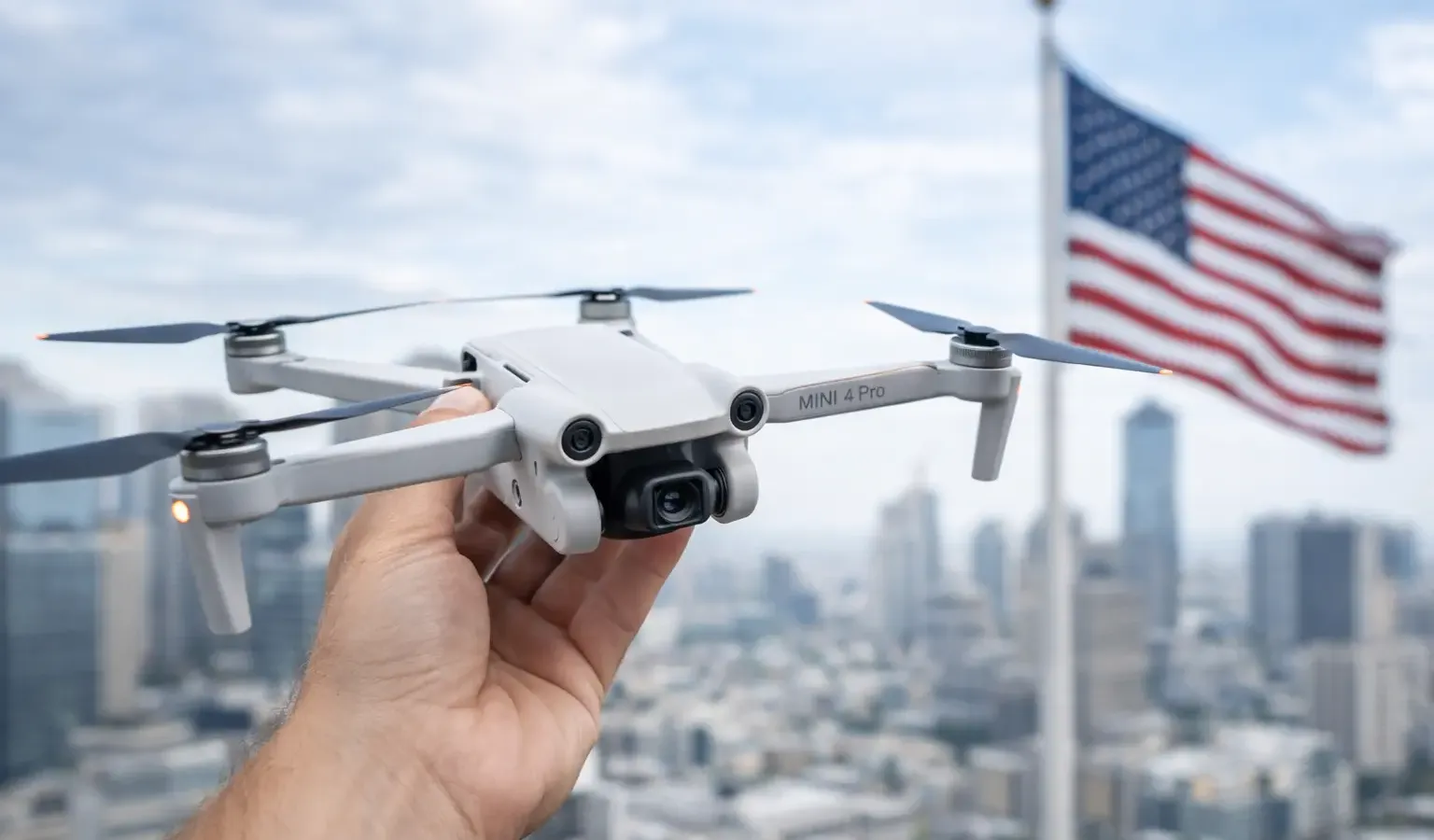
DJI consumer drone on display with US Capitol building in background

Fifteen months after the US triggered an automatic ban on future DJI products, no company has moved to replace it. The 90% of the consumer drone market that DJI dominated is sitting largely uncontested — not because the opportunity is invisible, but because US dronemakers have decided defense contracts pay better.

That’s the blunt conclusion from drone industry veterans watching the post-ban landscape. “Everybody’s asking what else is out there, and the answer is, nothing,” says Vic Moss, cofounder of the Drone Service Providers Alliance, which represents over 33,000 pilots nationwide. “I don’t know a single drone pilot, and I know a lot of them, who wouldn’t love to fly an American drone — but they’re not going after that 90 percent of the market.”

Why the FCC Ban Closed the Door on Foreign Alternatives

The December 2026 FCC ruling made the situation significantly worse than a DJI-only problem. Rather than restricting just DJI and Autel, the FCC banned all future foreign-made drones from US certification — effectively shutting out every non-US dronemaker simultaneously.

The impact landed immediately on companies that had been positioning themselves as DJI alternatives. Zero Zero Robotics, whose HoverAir X1 had received strong reviews and secured shelf space at Costco and Best Buy, announced a self-flying waterproof drone in August 2025. By December, its US backers were left waiting for a product that may never ship. The company has begun quietly offering refunds while publicly claiming it is “navigating the regulatory process.”

One Chinese company did thread the needle. Antigravity — the Insta360-developed brand — got FCC approval on November 18th, five days after the government shutdown ended, and launched its 360-degree A1 drone at Best Buy on December 3rd, halfway through the narrow window before the ban closed. The A1 has sold 30,000 units and reached Costco. It is the only Chinese consumer drone with a clear path to continued US sales — and Antigravity’s CEO has signaled that future products will require US manufacturing to reach American customers.

Where US Dronemakers Are Actually Looking

Skydio, the most capable US-made drone company, has made its position explicit. Following the ban, the company stated the FCC decision “doesn’t change Skydio’s strategy, it reinforces the direction the market was already heading.” In March, the US Army ordered $52 million worth of Skydio X10D drones — described as the largest single-vendor tactical drone order in Army history. An enterprise Skydio X2 starts at $10,999. The consumer Skydio 2 sold for $1,099. The math is not complicated.

The pattern extends across the sector. Teal Drones, founded by a teenage FPV racer, is now competing for Pentagon contracts as part of Red Cat Holdings. Rotor Riot and Fat Shark, both consumer and FPV brands, are now subsidiaries of Unusual Machines — which markets itself as a US component supplier for defense drones and counts Donald Trump Jr. as a board member. Fat Shark’s website has not featured a new product since 2022.

The Department of Defense has allocated $1.1 billion toward hundreds of thousands of one-way attack drones by 2027, modeled on Ukraine’s FPV warfare model. That is where the financial incentives point, and US companies are following them.

What the Gap Actually Costs

The consequences fall hardest on users who can’t afford enterprise alternatives. First responders — fire departments, search and rescue teams — have relied on consumer DJI drones precisely because they cost hundreds of dollars rather than tens of thousands. Moss is direct about what happens when existing DJI stock runs out and parts dry up: “That is all now going out the window.”

Haye Kesteloo, editor-in-chief of DroneXL and a former DroneDJ editor, identifies five attributes no competitor has replicated at DJI’s price point: availability, capability, affordability, reliability, and ease of use. A pivot from defense back to consumer, he argues, would require the end of active drone warfare demand — and that is not a near-term scenario.

For now, the US consumer drone market is a gap that nobody with the capability to fill it has any financial incentive to close.

Newsletter

Get stories like this in your inbox