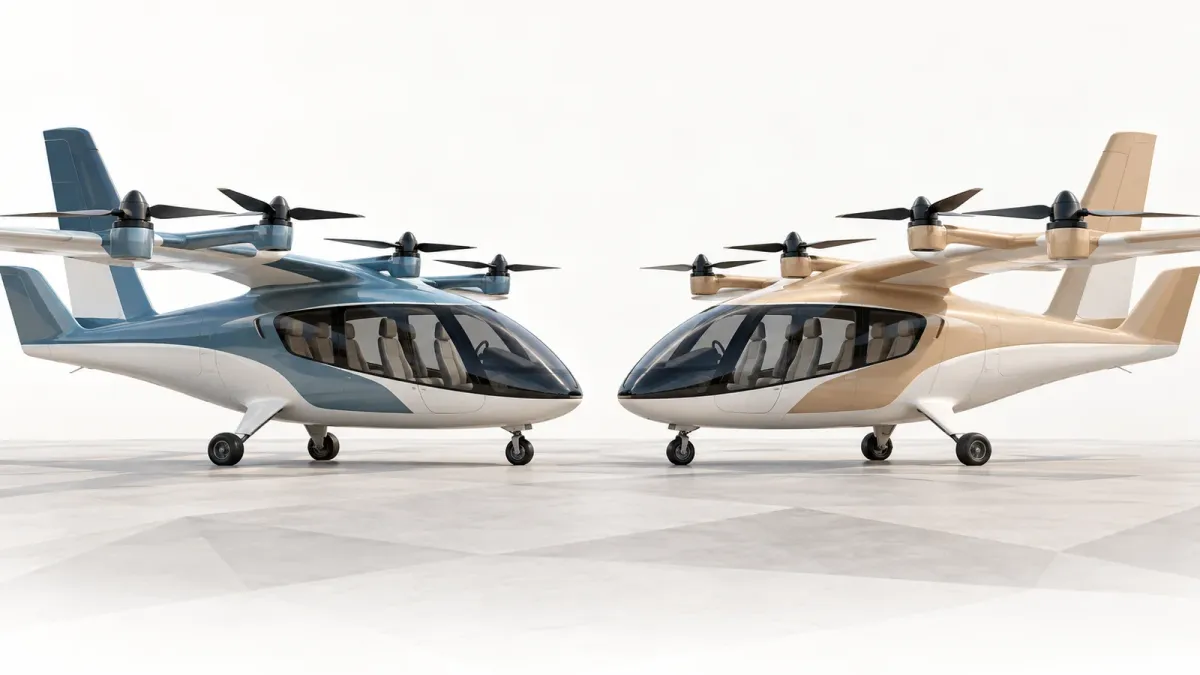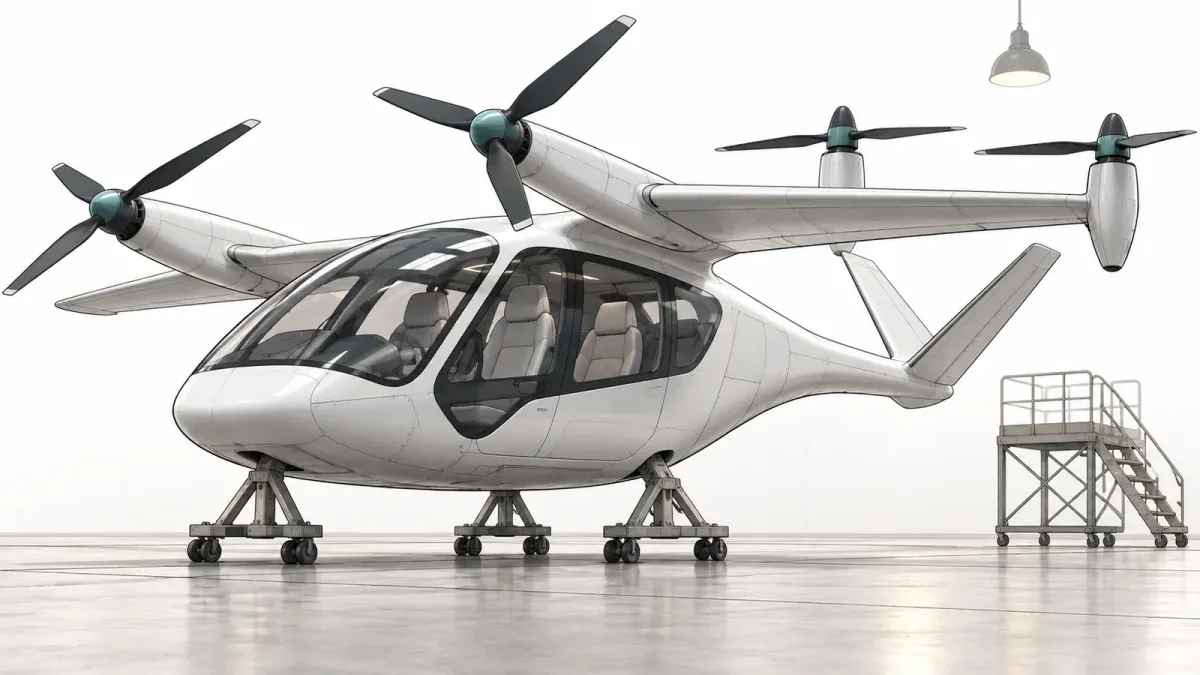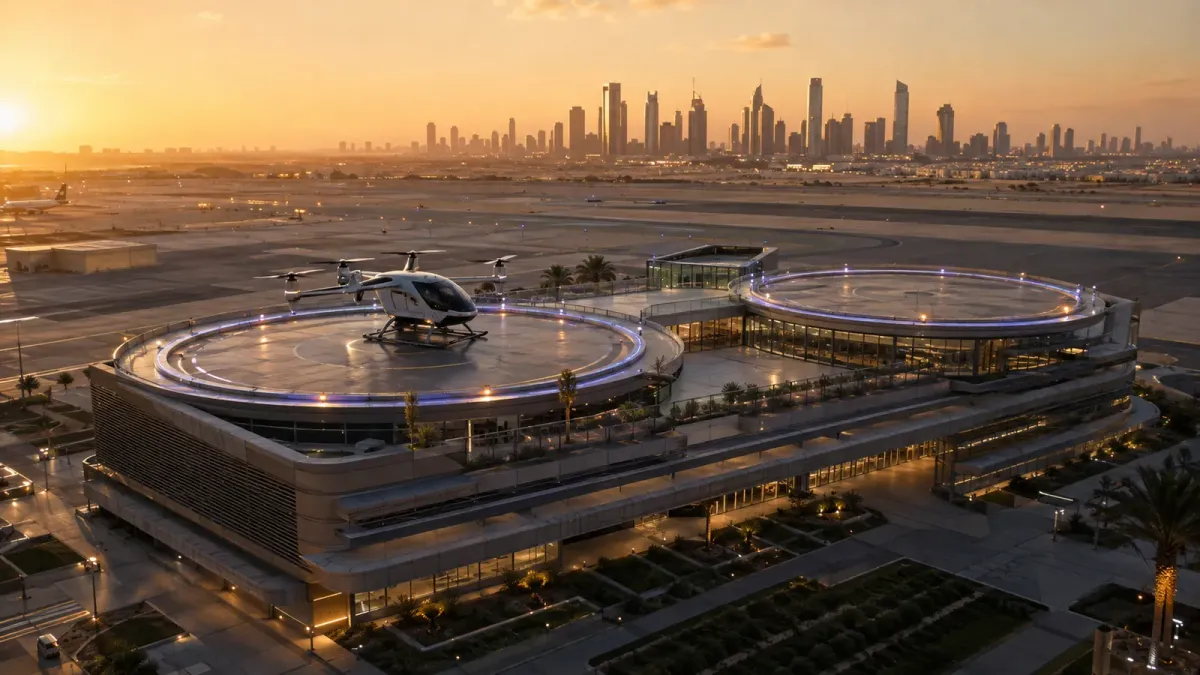

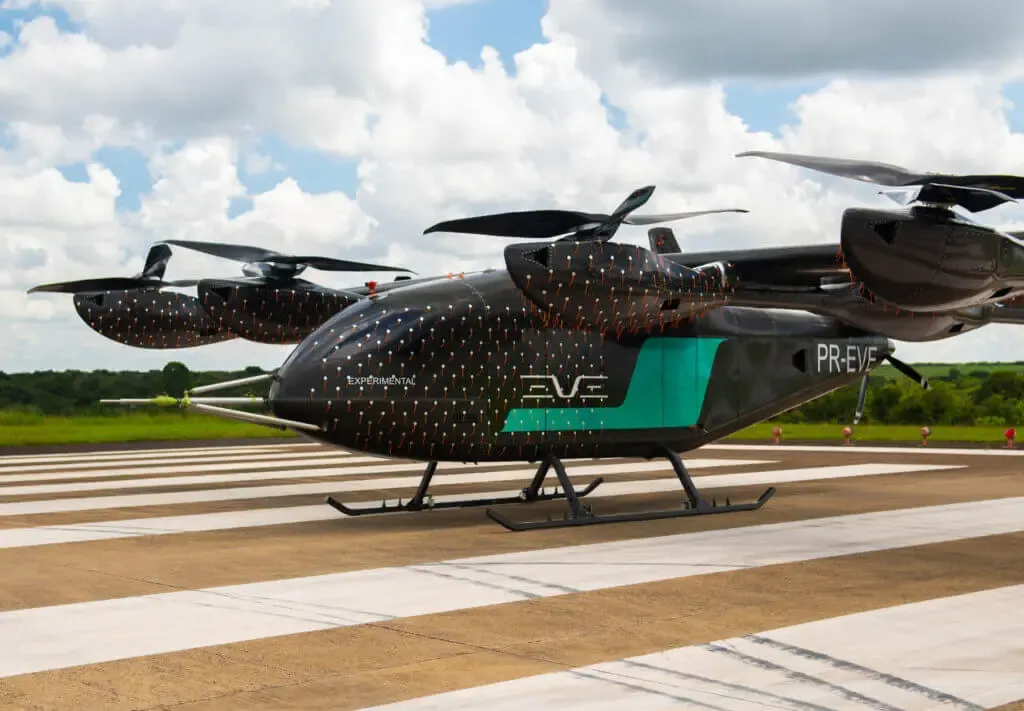
Eve Air Mobility is running close to 300 test flights this year and is preparing to enter wing-borne cruise, the phase that validates whether its lift-plus-cruise design delivers the efficiency gains the company has been selling to operators since 2021. The milestone is overdue for scrutiny. Eve’s entire commercial strategy is built around helicopter operators transitioning to mixed fleets, and the technical case for that transition needs flight data, not commitments.
At VERTICON 2026 in Melbourne, Florida, Eve is leaning into that operator-first positioning explicitly.
Where the 2,700 Commitments Come From
Eve’s pipeline is dominated by helicopter operators rather than ride-share platforms or governments. Two new binding agreements announced at VERTICON reinforce the pattern. Sao Paulo-based Revo committed up to 50 aircraft for its multimodal urban service. Tokyo-based AirX committed up to 50 for sightseeing and last-mile mobility beginning 2029. Both are existing aviation operators with infrastructure, ground crews, and route economics already in place.
The strategic logic holds: operators already running helicopters have the regulatory relationships and facilities to absorb eVTOL into an existing business rather than build one from scratch. The risk is that commitment numbers reflect operator optionality, not firm demand. The binding versus non-binding distinction matters more than the headline figure.
What Embraer’s Backing Provides
Eve’s parent relationship with Embraer is operationally significant in a way most aerospace spin-off relationships are not. Eve TechCare, its aftermarket and lifecycle services product, plugs into Embraer’s global MRO network. For a helicopter operator evaluating an unproven aircraft type, knowing that parts and trained technicians exist in their region is a material risk reduction that competitors backed by pure-play startups cannot match.
Eve Vector, the company’s urban air traffic management software, addresses airspace integration in-house rather than deferring entirely to regulators or third parties. It makes Eve’s operator pitch more complete: one relationship covers the aircraft, the service contract, and airspace management.
The Certification Timeline
The full-scale engineering demonstrator completed its maiden flight in December 2025. Wing-borne cruise testing is next, and represents the first genuinely meaningful technical validation of Eve’s design claims. FAA type certification remains the gating event for US commercial operations. Eve has not published a target certification date. AirX’s 2029 deployment plans imply Eve does not expect certification before 2027 at the earliest.
Wing-borne cruise results, expected later this year, will be the first hard data point that either holds or tests the operator commitments Eve has been accumulating since 2021.