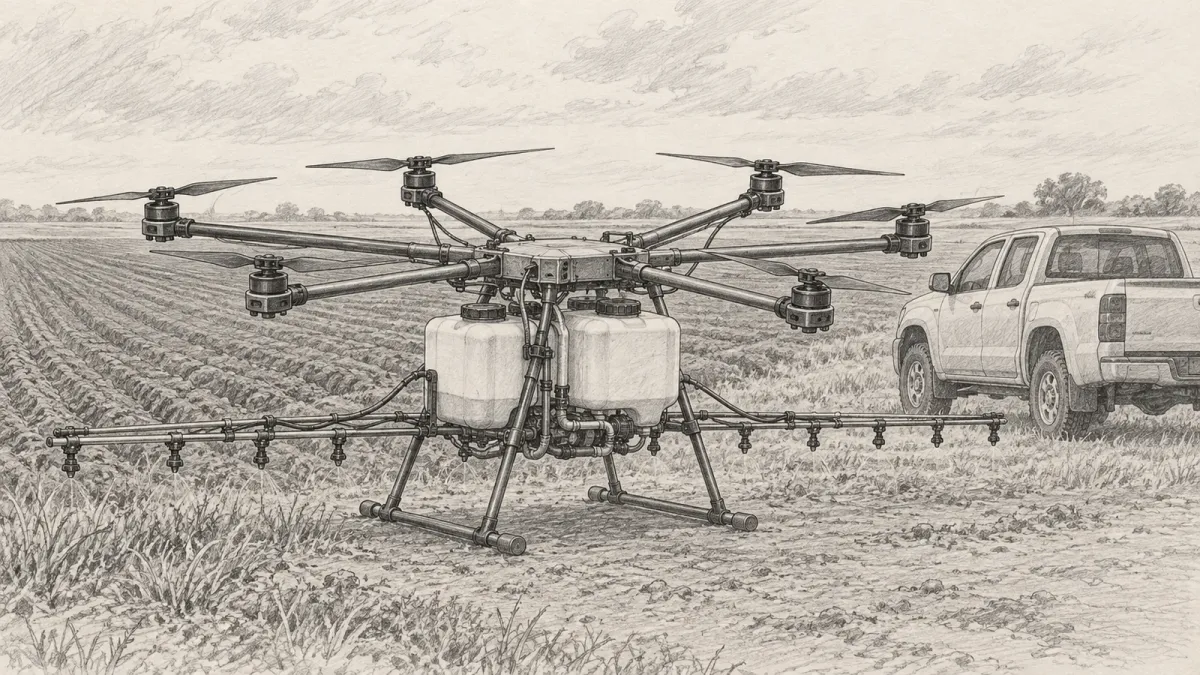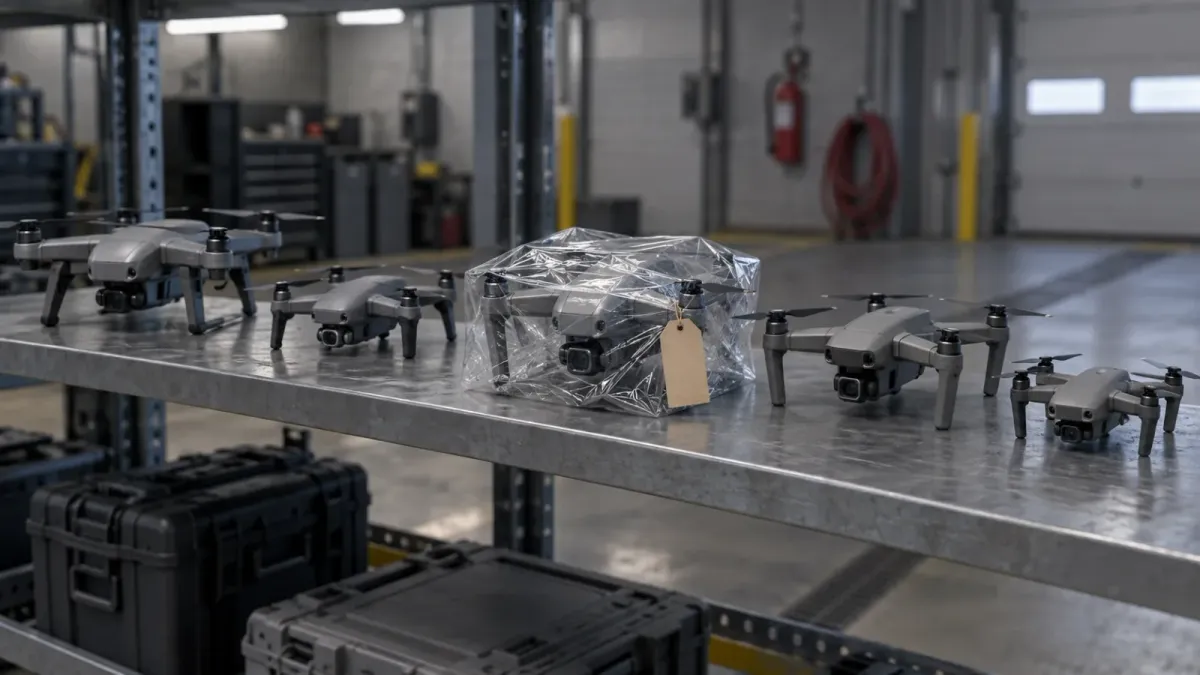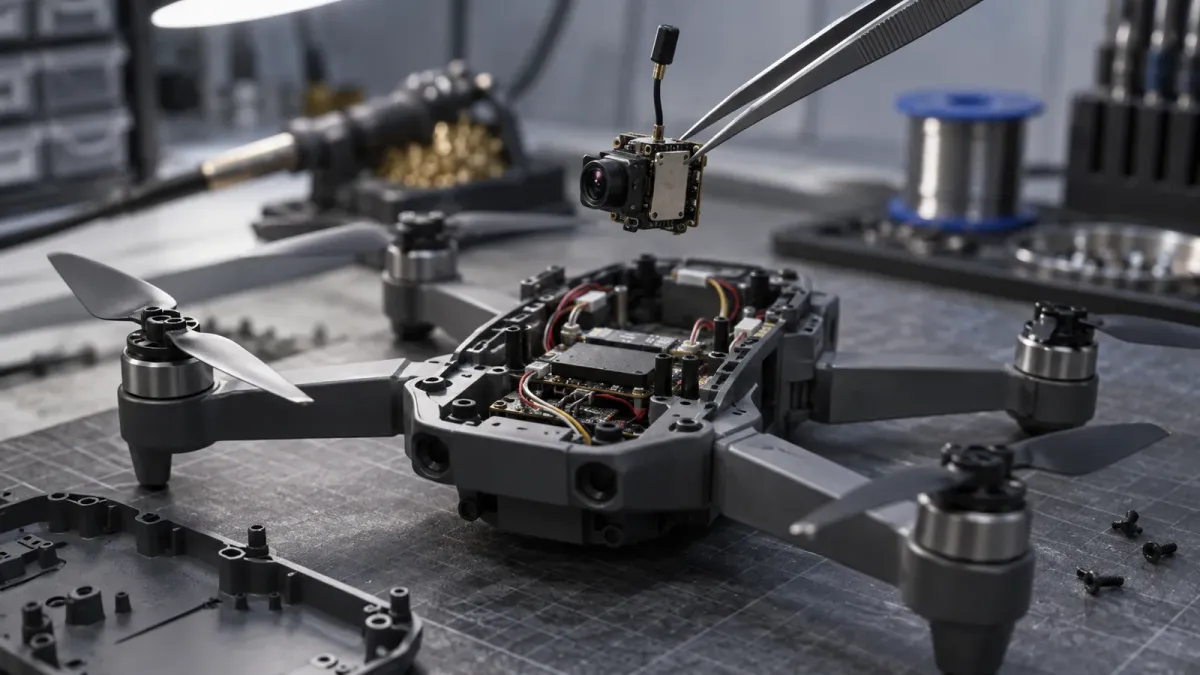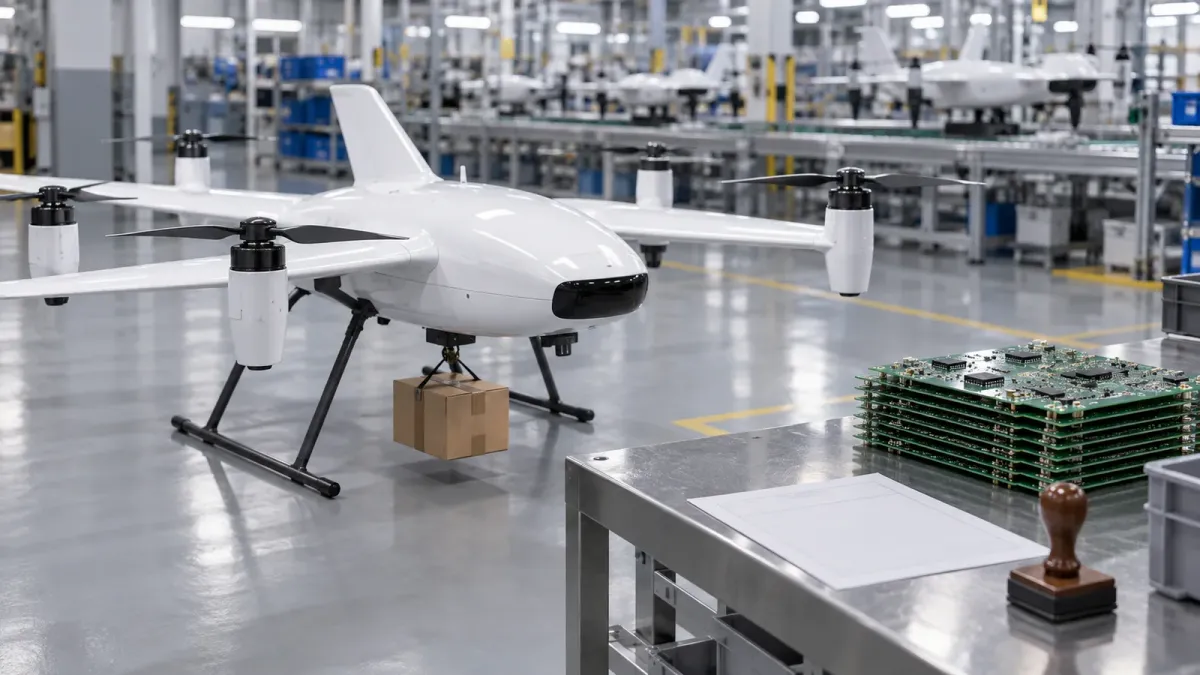

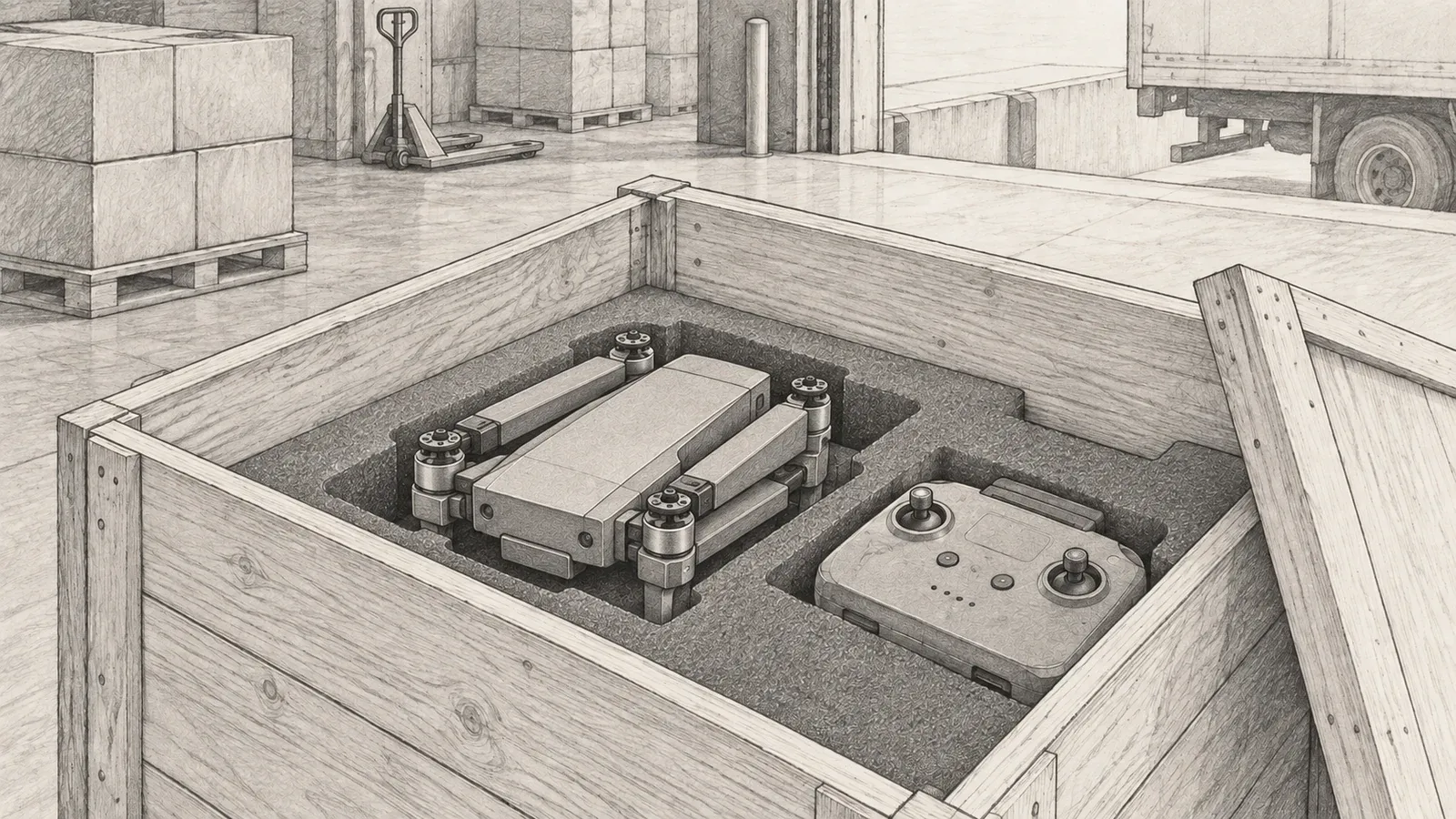
The FCC is proposing to stop the import and sale of two Anzu Robotics devices because the company licensed its design from DJI, and comments close on 23 September. The proposal names the Raptor and Raptor T drone, FCC ID 2BBYS-RAPTOR, and the Raptor remote controller, 2BBYS-RRC01.
Anzu is an Austin company. It built the Raptor under a technology licensing agreement with DJI and assembled it in Malaysia, which was the point: buyers who could not purchase DJI could buy this instead.
Section 1709 of the FY2025 defence act covers any firm with a technology sharing or licensing deal with DJI or Autel. Two FCC bureaus say that is what Anzu has. They add that Malaysian assembly makes the aircraft foreign-produced as well. Either route lands it on the Covered List.
What the ban would and would not do
The two bureaus are not revoking Anzu’s authorisations. They are limiting them, under a rule the Commission adopted last October. Advertising, distribution and sale would stop. The grant itself would survive.
Drones already bought stay legal to fly. The prohibition would not apply to import or marketing for federal government use, or for commercial testing and product development.
The Enforcement Bureau sent Anzu a letter of inquiry on 8 May. Anzu answered on 9 July through counsel at Venable, in a confidential filing. On 3 August the engineering office suspended Anzu’s grantee code. That code is what lets a maker certify new equipment at all.
The product is already gone
Randall Warnas, then Anzu’s chief executive, told customers in February that the Raptor series was “no longer available for purchase”. He blamed component shortages. The company said it would build a next-generation product instead.
By then Anzu had a new owner. XTI Aerospace bought it with Drone Nerds on 10 November 2025 for $40 million. This month XTI warned of substantial doubt about its ability to continue as a going concern, after its chief executive resigned. Anzu did not respond to a request for comment from PCMag when the proposal came out in August.
Who is filing
The Foundation for Defense of Democracies filed on 3 September in support. Its comment leans on Anzu’s own website, which says the licence lets Anzu “modify and manufacture this technology at will” and acknowledges that the Raptor T’s thermal sensor is sourced from China. The foundation argues that is enough to bring the aircraft inside Section 1709.
Anzu has never disputed that a licence exists. Its position is that the tie stops there: no Chinese factory, its own flight software, no customer data going back.
Texas attorney general Ken Paxton sued the company in February over that account. He alleges it sold rebranded DJI hardware while calling itself the American alternative. The case is still live.
David Messina, president of the FPV Freedom Coalition, filed against the proposal on 18 September, writing that the national security case “is not transparent” when American drones use the same parts and often the same software.
The docket, PS 26-184, carries 141 filings. Most of them are about the other half of it, a July proposal covering eight more manufacturers, on which the record closed on 31 August.