
Interior Minister Alexander Dobrindt said on 1 September that Russia was responsible for the drone attack on Leipzig/Halle Airport on 4 August. “Russia is responsible for the hybrid attack in Leipzig on August 4,” he said, announcing the finding jointly with Foreign Minister Johann Wadephul after an investigation of nearly a month, and citing police work, the pattern of the act and intelligence findings.
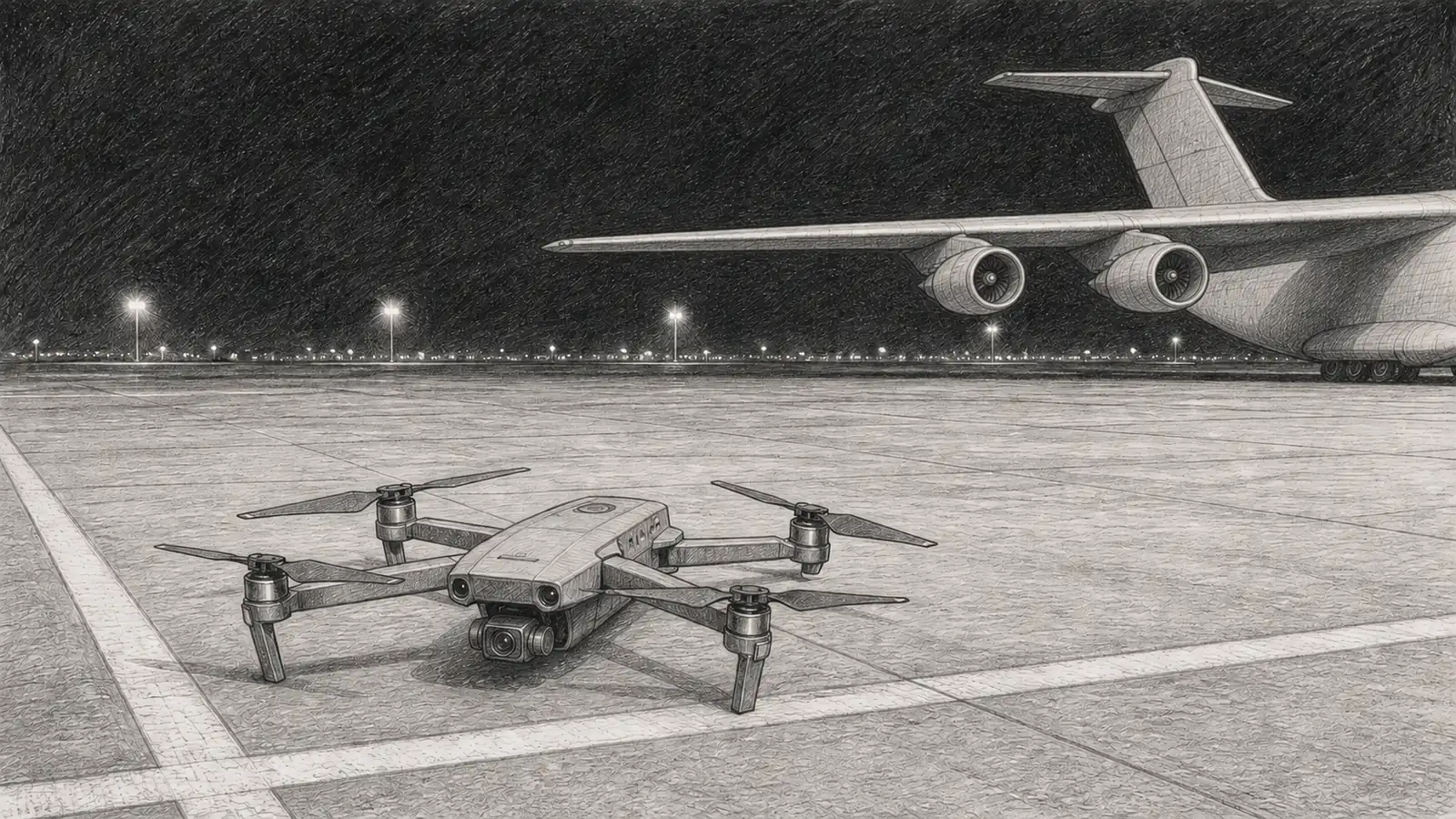
The drone carried explosives and came down at the airport near a Ukrainian cargo aircraft that was moving munitions to Ukraine. It did not detonate, and police disabled it. Two more drones of the same kind were found at or near the airport in the weeks that followed.
The German interior ministry raised the national threat level from general to high. Dobrindt said the government does not read Leipzig as a single event but alongside other hybrid actions, and expects Germany to be targeted again.
Germany ordered Russia’s consulate general in Bonn to close by 18 September, terminated the lease on the Russian House for Science and Culture in Berlin, and tightened entry checks on Russian nationals. President Vladimir Putin called the decisions a “grave mistake” and accused Berlin of fabricating evidence; the Russian ambassador called the accusation absurd.
The unit that is allowed to act has 150 people
Diplomatic expulsions do not stop the next drone. The federal police unit that does has about 150 people in it.
Dobrindt announced on 10 August that the Bundespolizei’s counter-drone unit would double to 300 and that its operating bases would go from four to eight. A federal drone security centre attached to the German Aerospace Center opened later that month. Federal police are responsible for security at 13 German airports.
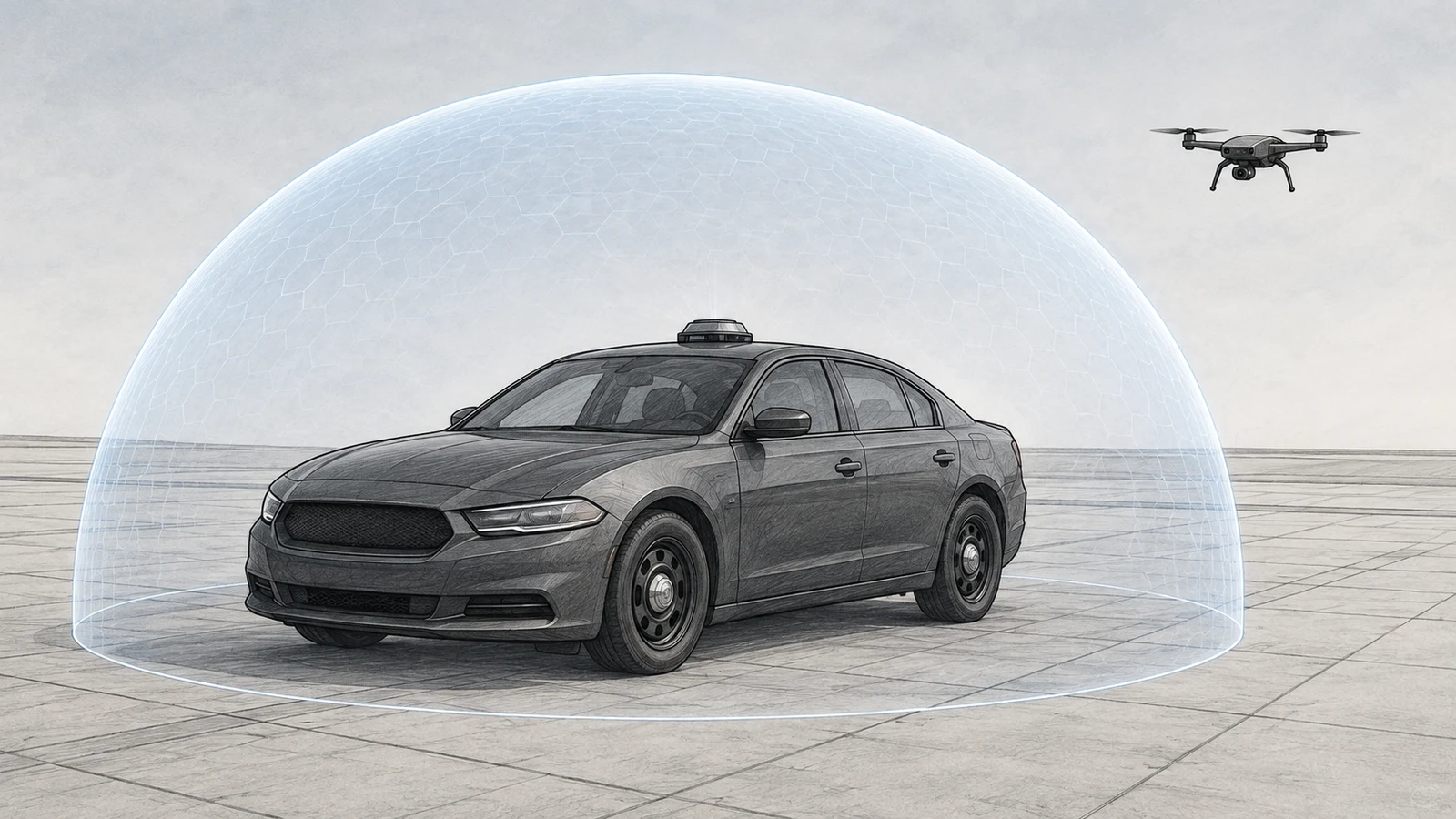
Those are the numbers that decide what happens the next time somebody flies a quadcopter over a runway, because German law reserves the act of stopping a drone to the state. Jamming its radio link, spoofing its satellite navigation or bringing it down physically may be done only by the police, the Bundeswehr or the intelligence services. An airport operator may buy a detection system, watch a drone approach its runway and telephone somebody. It may not touch the aircraft.
That division is why the interior ministers of the federal government and the states have spent the weeks since Leipzig pressing publicly for faster progress on equipping airports, rather than announcing that the problem is solved. Detection at a site with nobody authorised to act on it produces a warning, an interrupted arrivals board and a wait.
What Leipzig showed about timing
Die Zeit reported that the drone bounced off a wing of the Antonov and lay on the ground for hours, and that an airport employee found it around midnight. No sensor did.
Everything Germany has announced since is an attempt to compress that interval: more detection, so the aircraft is seen on the way in rather than found afterwards, and more federal police, so that someone with the legal authority to act is close enough to reach the runway while it still matters. The threat level is set, the consulate closes on 18 September, and the unit that would answer the call is still recruiting.