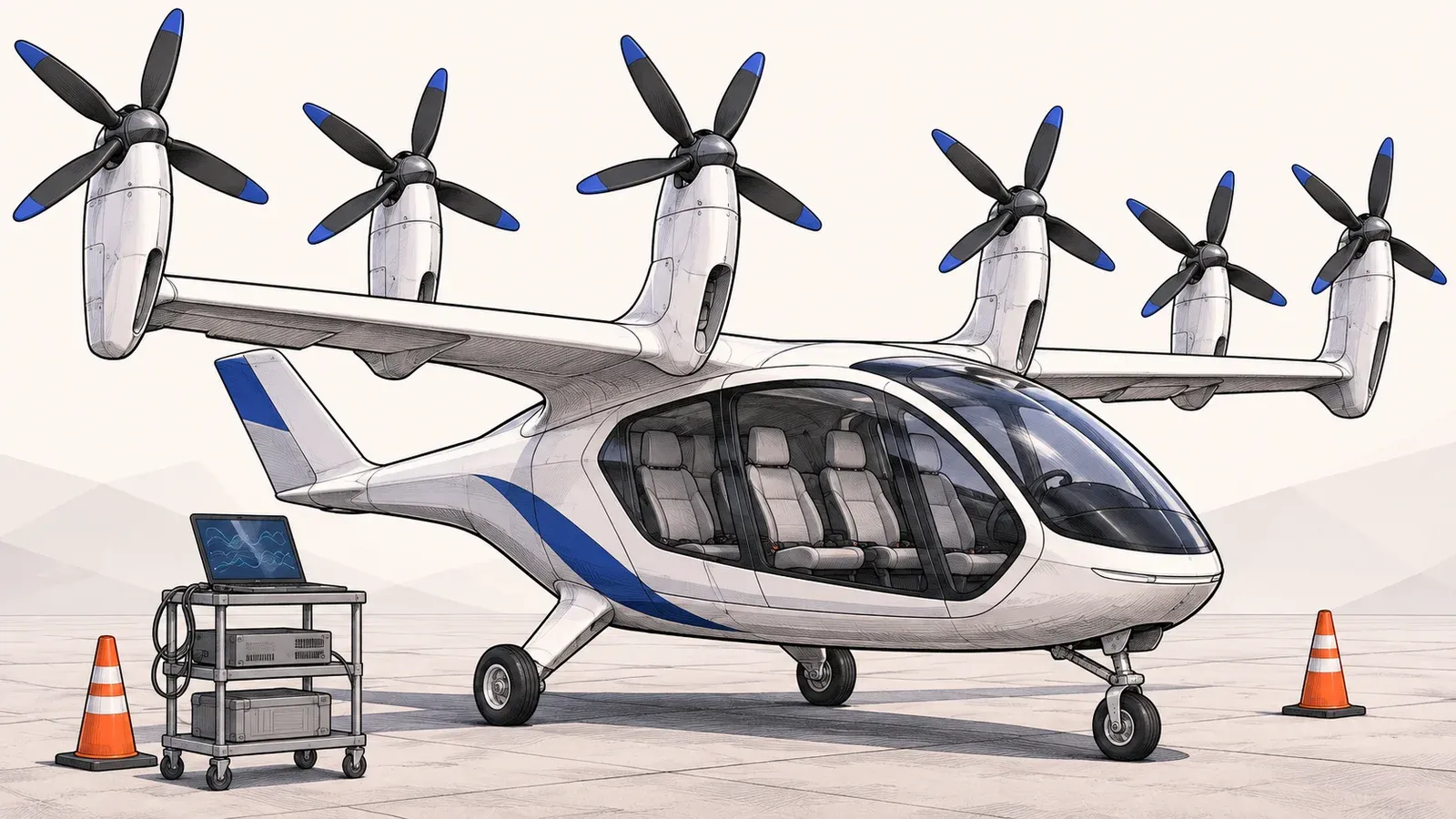
Joby Aviation expects FAA test pilots to start flying its air taxi for certification in the first half of 2027, its third-quarter shareholder letter said on 4 November. That testing, under a Type Inspection Authorization, is the final round of flights before a type certificate.
The same letter adds a condition. The FAA has told companies that carrying passengers in its eVTOL pilot program will require them to be “in substantial TIA testing”. On Joby’s own timetable, that is next year.
Joby’s quarterly report, filed the same day, still says the company is “targeting carrying our first passengers in 2026”. The August shareholder letter said the same. The November letter does not repeat it.
Dubai, with a pilot only
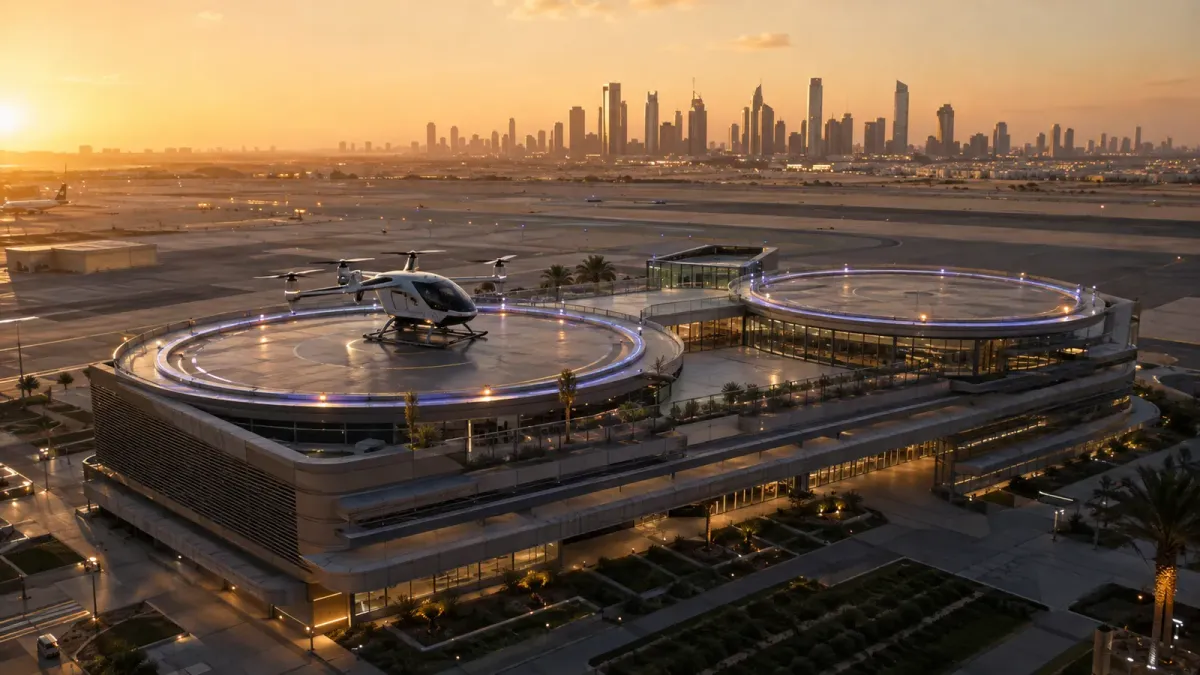
Dubai was the other route to a 2026 launch. Joby holds a six-year exclusive there with the Roads and Transport Authority. The letter says the second vertiport is complete and that “operational flight testing” will start later this year, “with a pilot on board”. It does not mention passengers in Dubai this year.
Where certification stands
Joby’s chart, dated 30 October, puts the fourth stage of five, testing and analysis, at 83 percent done by Joby’s count and 78 percent by the FAA’s. At 31 July the figures were 83 and 77. The final stage, where the FAA verifies the results, rose from 20 to 25 percent on Joby’s side and from 10 to 14 percent on the FAA’s.
In the quarter, FAA-witnessed “for credit” tests covered the fuselage, propeller hubs, tail, ruddervators and tilt actuators. Seventeen aircraft are in production. Chief executive JoeBen Bevirt says he will fly on the first aircraft built for passenger testing and report on the next results call.
The money
Revenue was $55.1 million, against $22.6 million a year earlier, mostly from Blade, the helicopter service Joby bought in 2025. Blade flew more than 44,000 passengers in the quarter. Joby raised its 2026 revenue forecast to between $135 million and $140 million.
The net loss was $211.8 million, cushioned by a $49.8 million non-cash gain on warrants and earnout shares. The operating loss was $278.1 million. Joby held $2.2 billion in cash and short-term investments at 30 September.
On 4 November the Air Force’s AFWERX raised the ceiling on Joby’s autonomy testing contract from $5 million to $50 million. Joby says the Air Force’s total commitment is now nearly $37 million.
The software flew a Cessna Caravan across the country in September, its safety pilot never touching the controls. The new money funds more exercises in the Pacific. The aim, said AFWERX’s Kate Brown, is “reducing risk to aircrews”.
Joby agreed in August to buy Resonant Sciences, a Dayton, Ohio defense electronics firm, for a base price of $500 million. It expects the deal to close early in 2027, around when its test pilots are due to start flying.