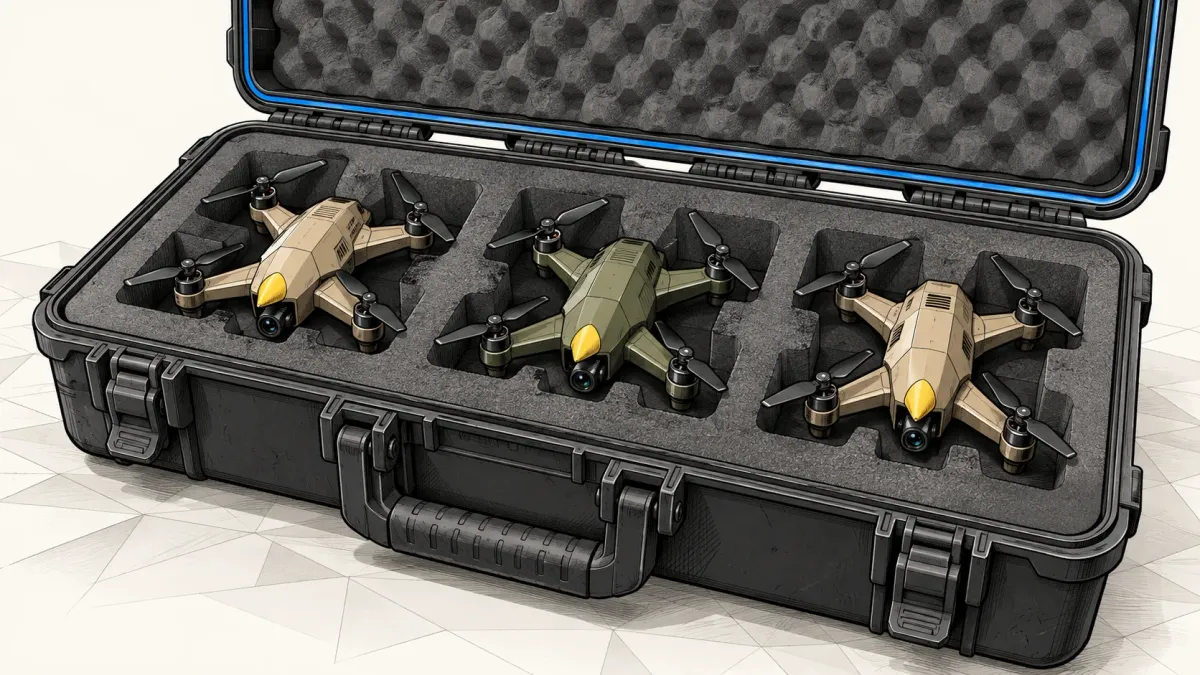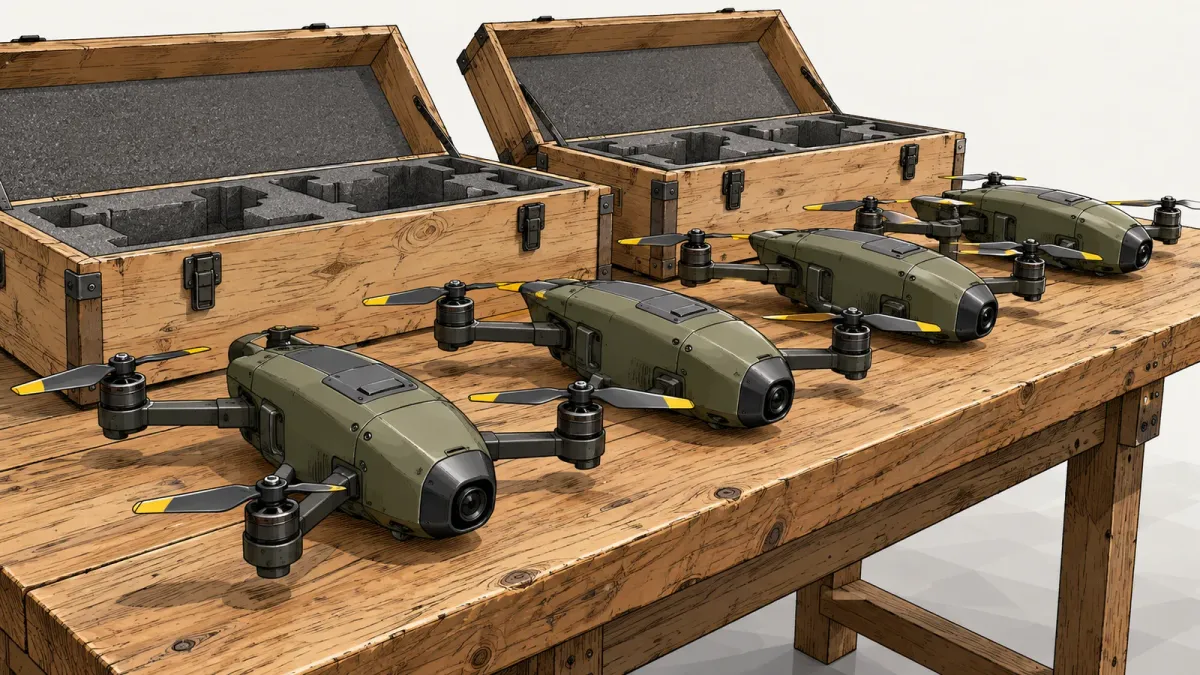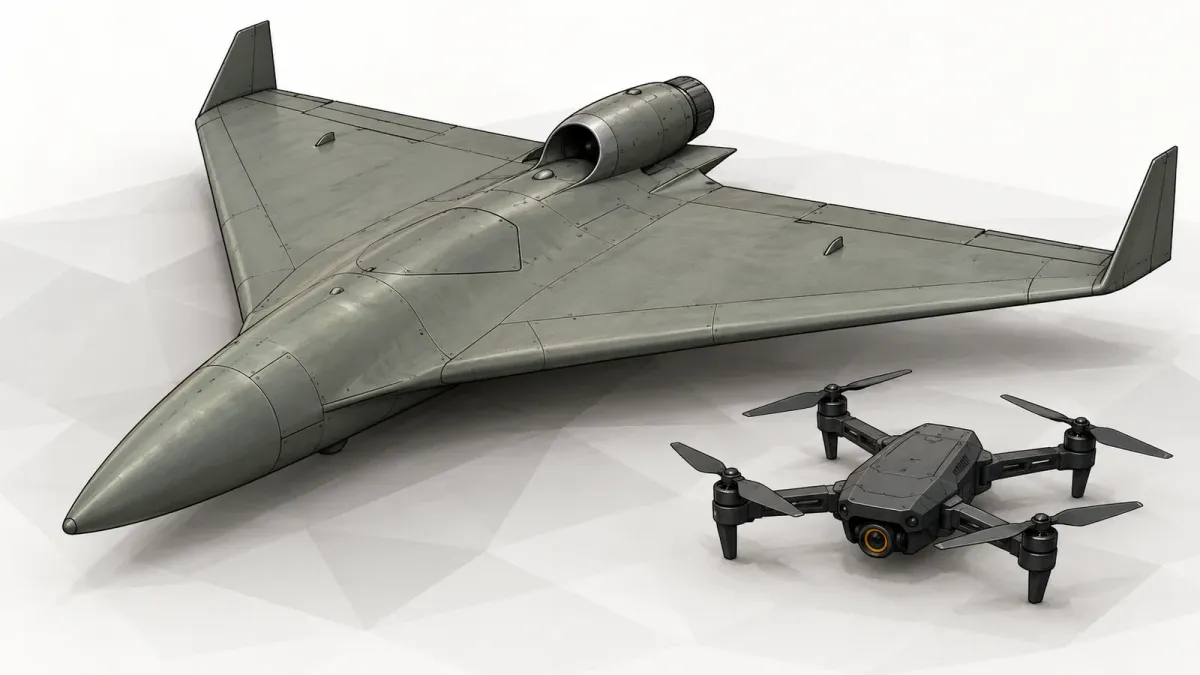

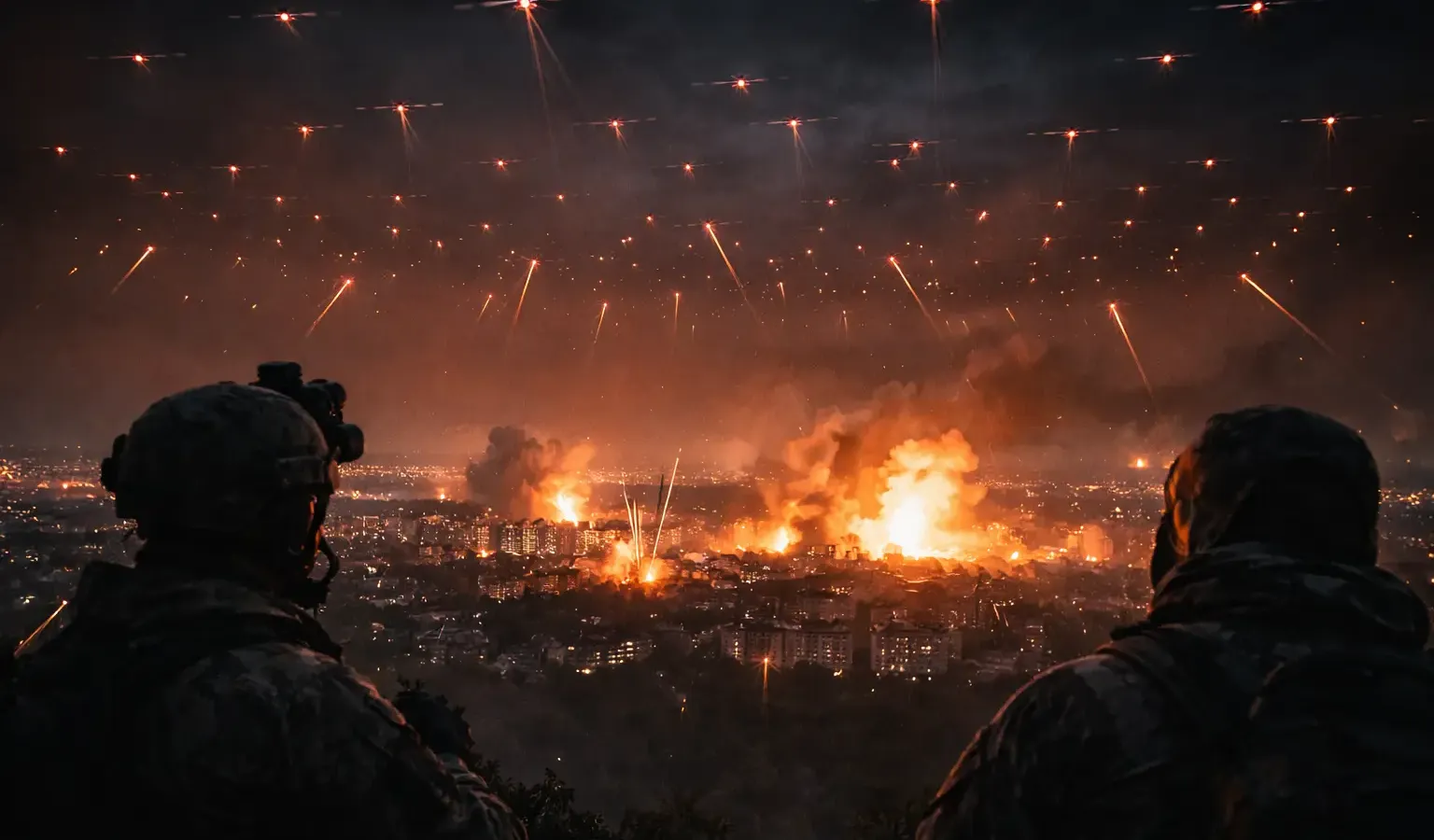
Russia launched 172 strike drones at Ukraine between the evening of April 1 and the morning of April 2, deploying Shahed, Gerbera, and Italmas platforms simultaneously from seven directions. Ukrainian air defenses shot down or suppressed 147. Twenty-two drones struck targets across 12 locations, with debris from downed aircraft causing additional damage at eight more.
Approximately 120 of the 172 were Shaheds. The attack originated from Bryansk, Kursk, Oryol, and Millerovo in Russia, Primorsko-Akhtarsk on the Black Sea coast, occupied Donetsk, and Hvardiiske in occupied Crimea.
The Scale in Context
The overnight attack followed an even larger daytime strike on April 1, in which Russia launched over 700 drones total. Ukrainian defenses shot down or suppressed 345 of them. Two major attacks within 24 hours represents one of the higher-intensity drone bombardment periods of 2026.
The 85% intercept rate on the overnight wave is consistent with recent Ukrainian air defense performance against massed Shahed attacks. It still left 22 drones reaching their targets. In Cherkasy, a strike killed four people in an open area. Nikopol was hit with artillery and FPV drones, injuring 10 residents. A Molniya kamikaze drone struck a residential building in Kharkiv in the evening.
Why Seven Vectors
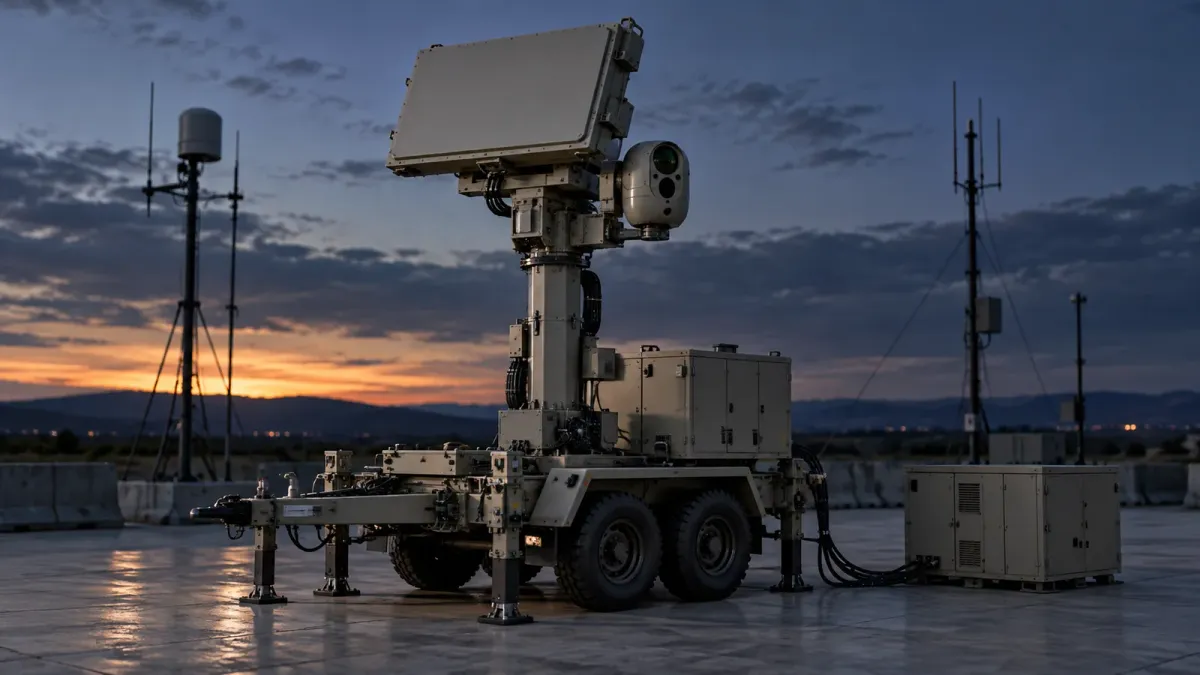
Launching from seven directions simultaneously forces Ukrainian radar and intercept systems to track and engage threats arriving from different azimuths at once, straining coverage overlap and reaction time. Including Crimea adds a southern axis that complicates the defensive geometry further.
Russia’s drone campaign has shifted toward sustained high-volume attrition against infrastructure rather than precision strikes. The economics favor the attacker: each Shahed costs an estimated $20,000 to $50,000, while the interceptor missiles used against them cost multiples of that. Ukraine offsets this partly through electronic warfare suppression and mobile fire groups using small arms and jamming rather than expensive interceptors. How long that balance holds through a sustained summer campaign is the operational question neither side has answered publicly.