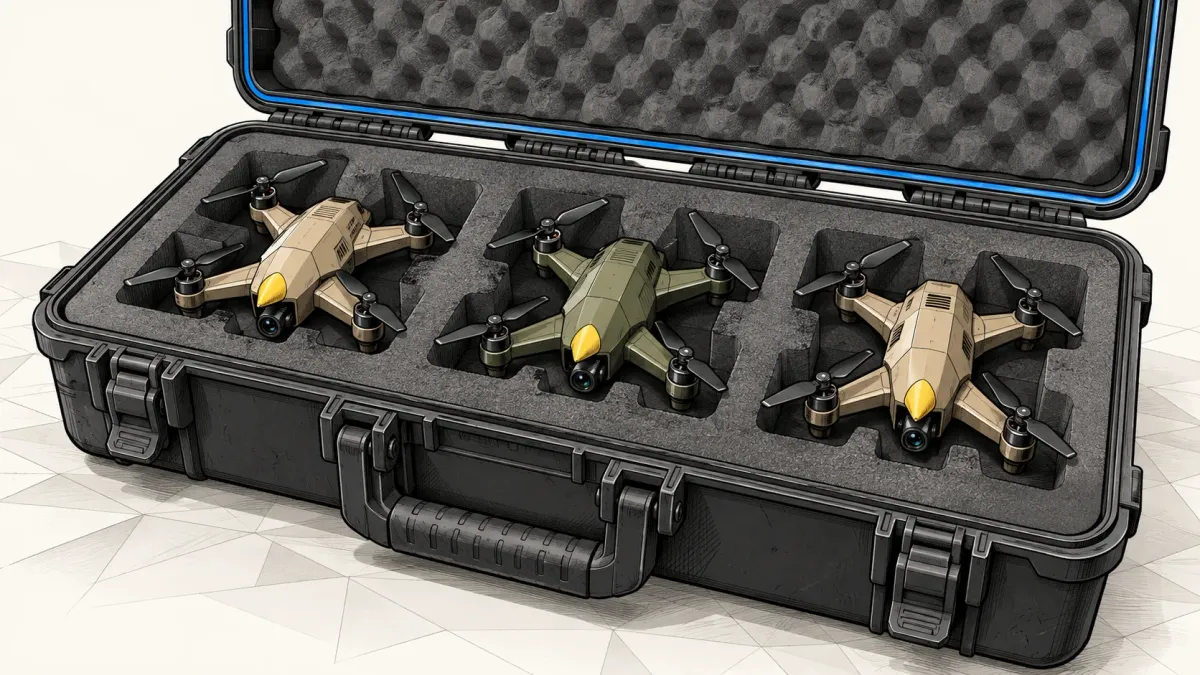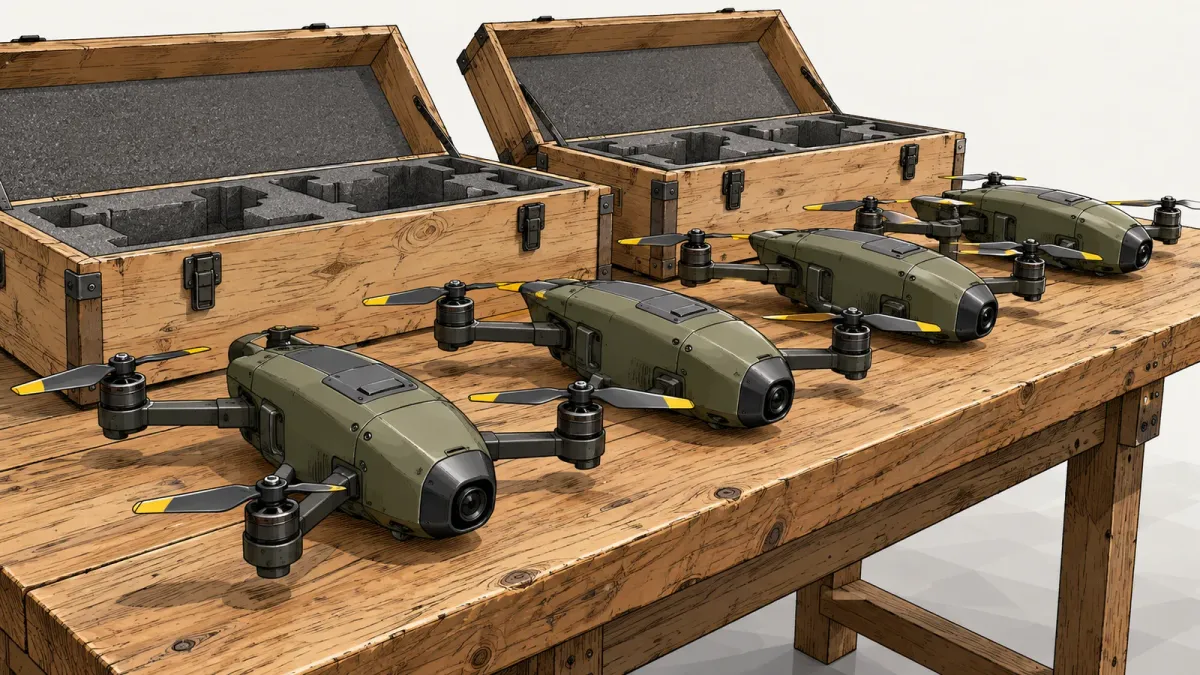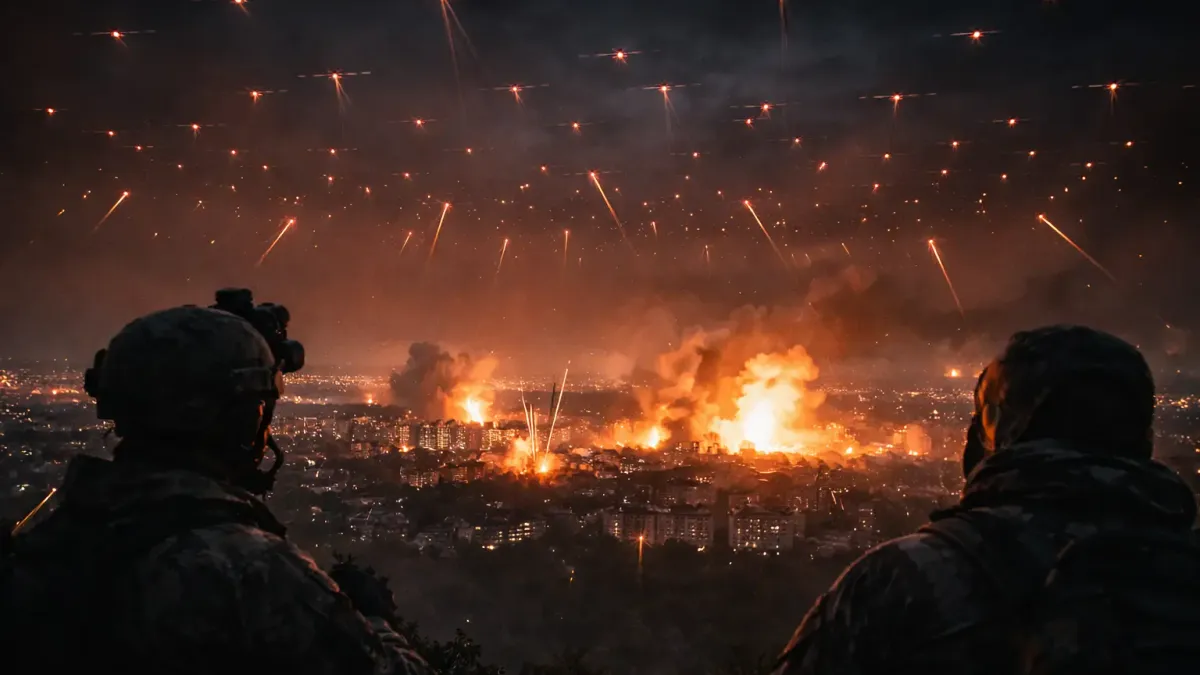

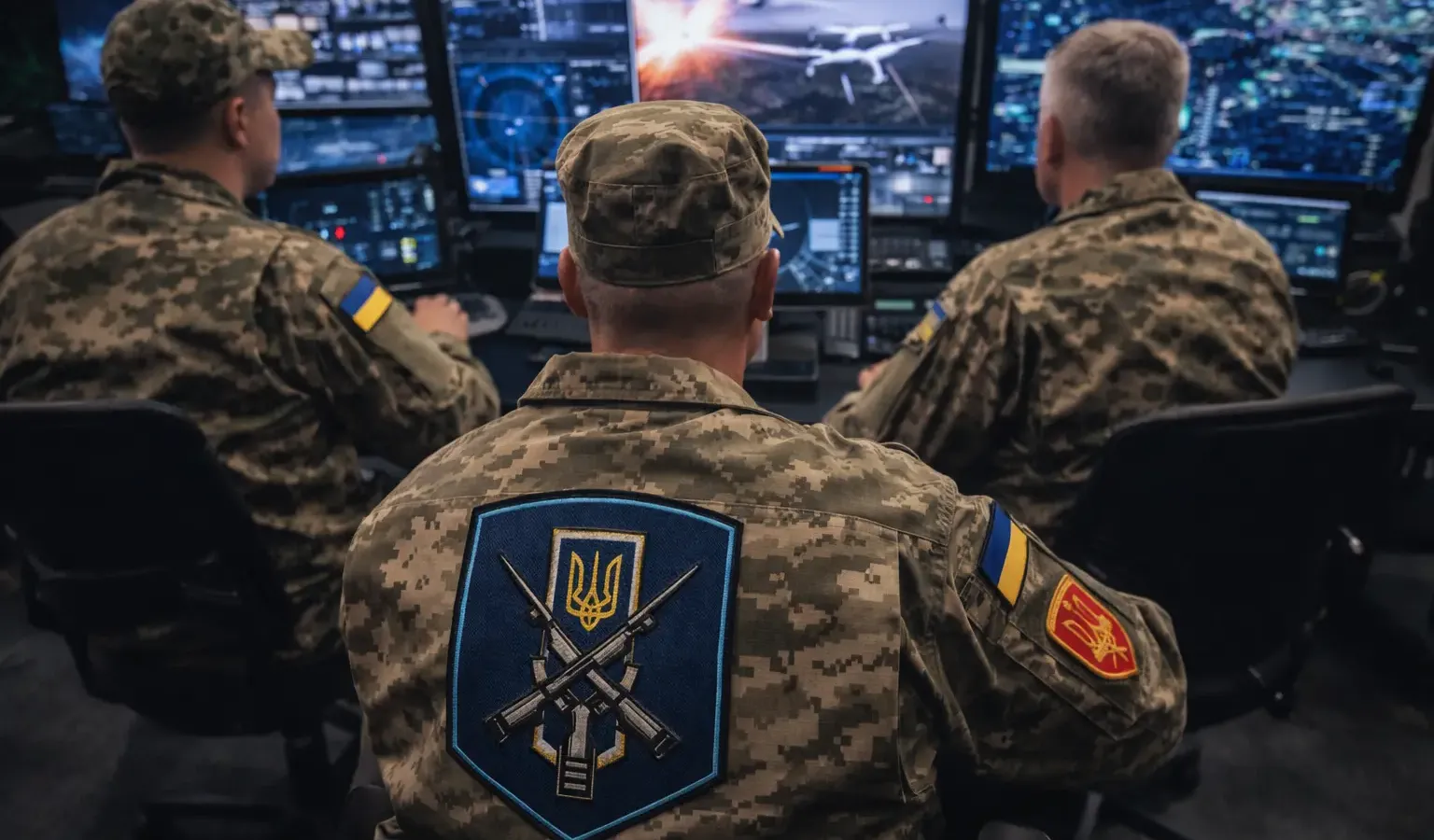
Ukraine has established a dedicated UAS command within its Armed Forces, formalizing what had previously been distributed counter-drone operations into a unified command structure. The move reflects how central drone interception has become to Ukrainian air defense — and how sophisticated the operational requirements have grown after nearly four years of sustained aerial bombardment.
The new command is being staffed with combat-experienced officers and is accompanied by expanded recruitment for drone interceptor divisions, new crew training pipelines, and hardened counter-UAS coverage for critical government infrastructure along the frontlines.
What “Small Air Defense” Actually Means
Commander-in-Chief Gen. Oleksandr Syrskyi used the phrase “small air defense” in announcing the command — a term that has emerged from the Ukrainian experience to describe the layered, distributed network of interceptor drones, electronic warfare systems, and mobile crews that handle low-altitude drone threats below the ceiling where conventional air defense missiles operate.
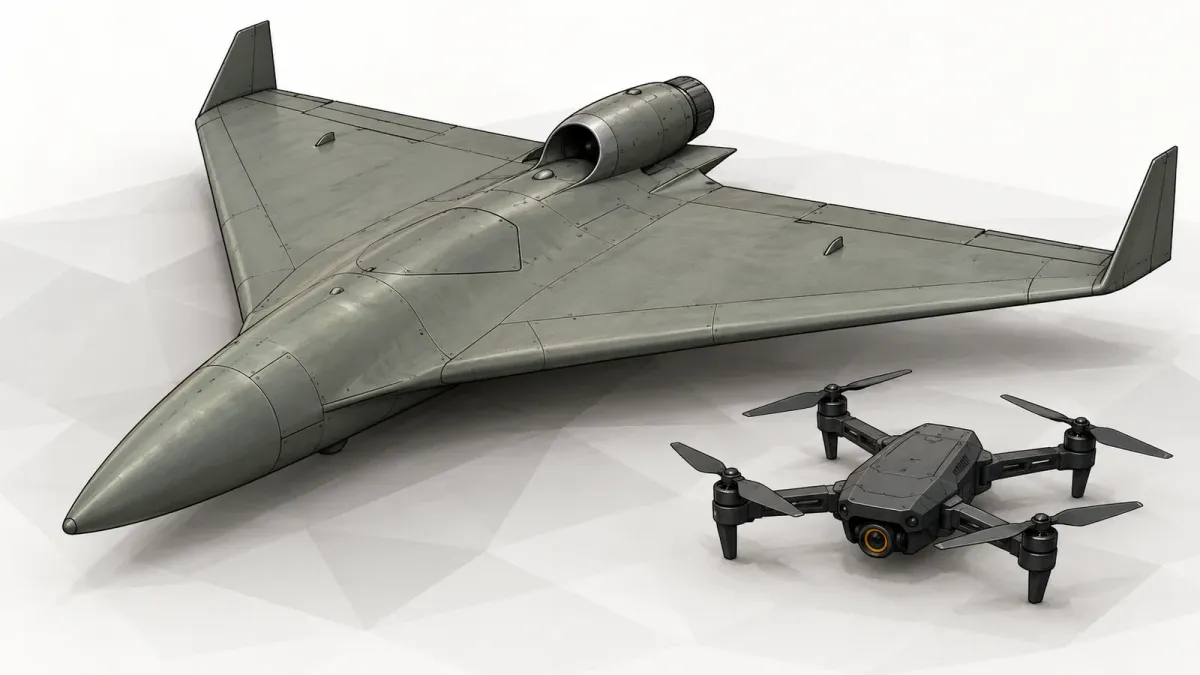
The distinction matters. Patriot batteries and S-300 systems are designed for ballistic missiles and fast jets. Shooting a $20,000 Shahed with a $3 million interceptor missile is financially unsustainable at the volumes Russia is deploying — reportedly tens of thousands of strikes. Ukraine’s answer has been to build a parallel tier of drone-on-drone interception and EW jamming that handles the volume problem without burning through expensive missile stockpiles. Formalizing that into a dedicated command is an acknowledgment that this tier is now a permanent feature of Ukrainian air defense, not an improvised workaround.
Russia’s Evolving Tactics
Syrskyi flagged two specific adaptations from Russian forces that the new command will need to address. The first is the use of American-made Starlink terminals to extend strike drone range — a supply chain problem with geopolitical dimensions that Ukraine cannot solve unilaterally. The second is deliberate exploitation of weather conditions to degrade Ukrainian sensor coverage and intercept rates.
Both indicate that Russia is treating the drone campaign as a learning system, iterating on tactics based on observed Ukrainian countermeasures. The creation of a dedicated UAS command on the Ukrainian side is, in part, a structural response to that dynamic — centralizing intelligence on enemy tactics and the authority to adapt counter-drone doctrine faster than a distributed command structure allows.
The Production Equation
Syrskyi stressed that sustained output from Ukrainian and European manufacturers, combined with continued Western delivery of radars and detection systems, remains the binding constraint on air defense effectiveness. Ukraine’s helicopters have destroyed more than 5,000 enemy attack drones to date — a significant number that also illustrates the scale of the incoming threat those systems are absorbing.
The new command structure won’t resolve the production gap on its own. But it concentrates the decision-making authority to direct resources, prioritize interception methods, and coordinate with Western suppliers in one place — which is a prerequisite for managing a drone war at this intensity over the long term.