
Zipline has asked the FAA for permission to fly up to 220,000 drone deliveries a day across five Texas metropolitan areas, according to a draft environmental assessment the agency published on 11 September. The ceiling is more than seven times the 30,000 a day the FAA cleared for Zipline’s Dallas-Fort Worth network in December.
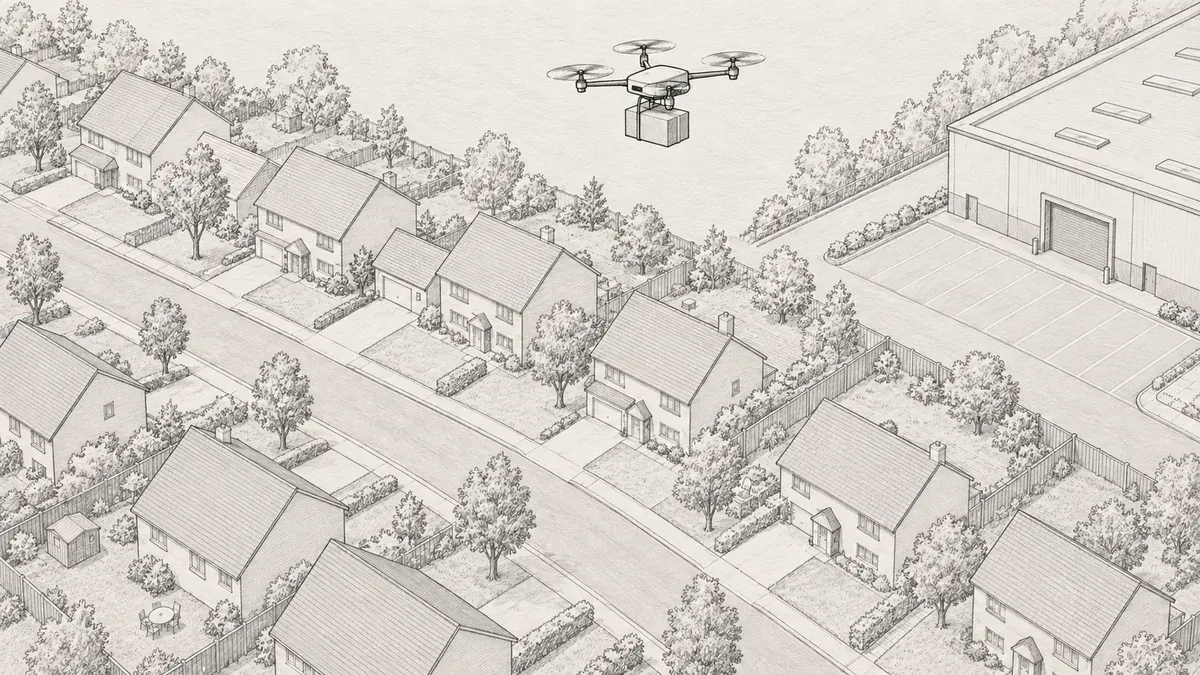
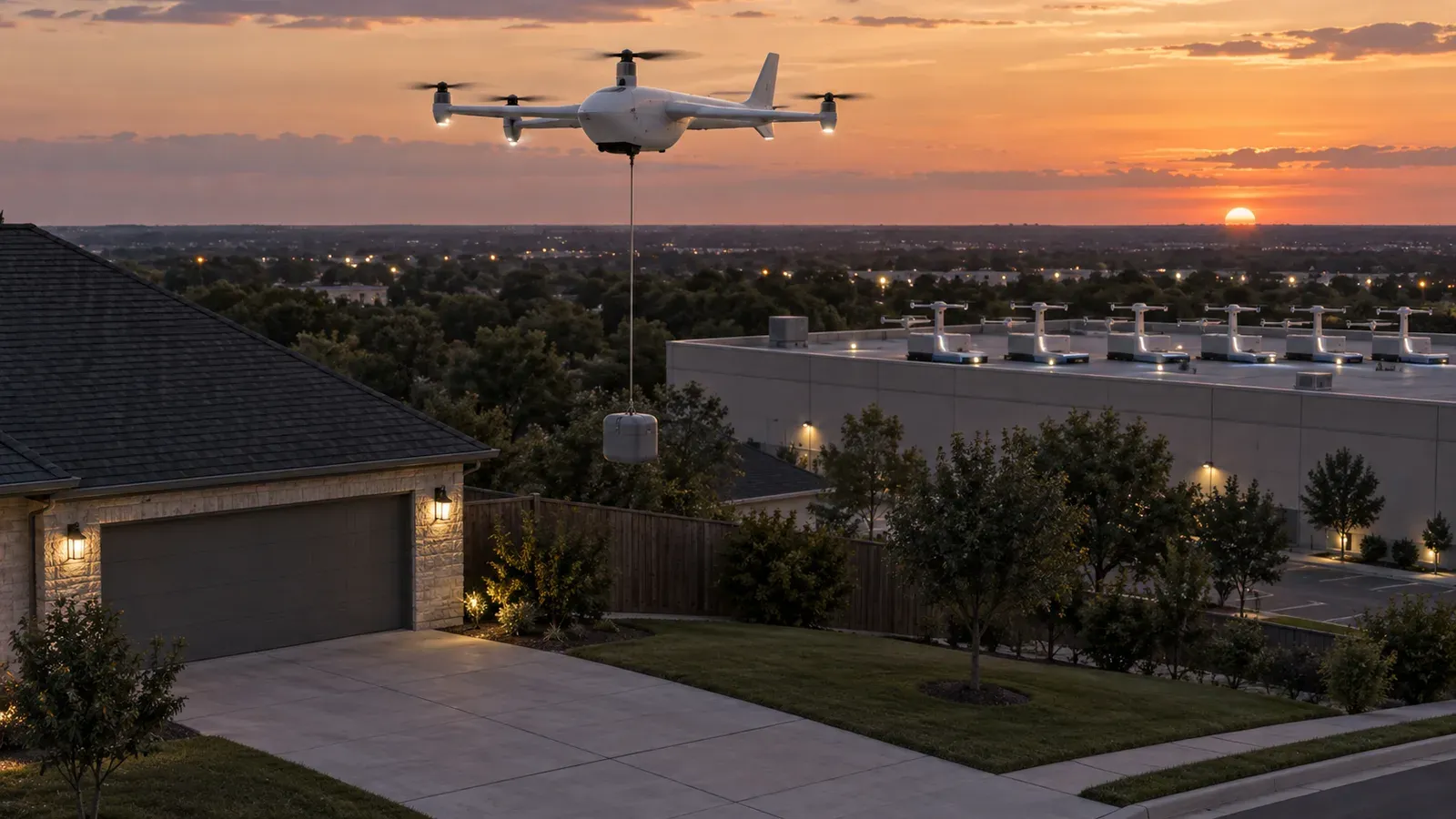
The plan covers Houston, San Antonio, Austin, Amarillo and El Paso, an area the FAA puts at 17,584 square miles. Zipline would build up to 220 Chargers, the rooftop and car-park docking sites where its aircraft charge, and 4,400 Dropboxes, the kiosks where partner stores load orders. Each delivery is three flights: Charger to Dropbox, Dropbox to the customer, customer back to a Charger. That is 660,000 flight legs a day at the maximum, 24 hours a day, holidays included.
Houston and San Antonio would each get 65 Chargers and up to 65,000 deliveries a day. Austin, Amarillo and El Paso would get 30 Chargers and 30,000 deliveries each. Every Charger holds up to 72 docks, though the FAA says most would have around 36.
A thousand a day per site
The number that changed is the load on each site. The Dallas-Fort Worth assessment allowed 400 deliveries a day from each of 75 sites within a 10-mile radius. The Texas draft allows 1,000 a day from each Charger, two and a half times as many, and the aircraft has grown with it: the FAA now lists it at about 63 pounds including an 8-pound payload, against the 55-pound figure it used for Dallas-Fort Worth.
Wing, which the FAA cleared for Houston on 13 August, may fly 400 deliveries a day from each of up to 75 nests, or 30,000 across the metro, with flights leaving between 7 a.m. and 10 p.m. Zipline is asking the same agency for more than twice Wing’s Houston ceiling in the same city, and for the right to fly through the night. The draft says 95 percent of flights would fall between 7 a.m. and 10 p.m. and 5 percent overnight, which at full load is 11,000 night-time deliveries a day statewide.
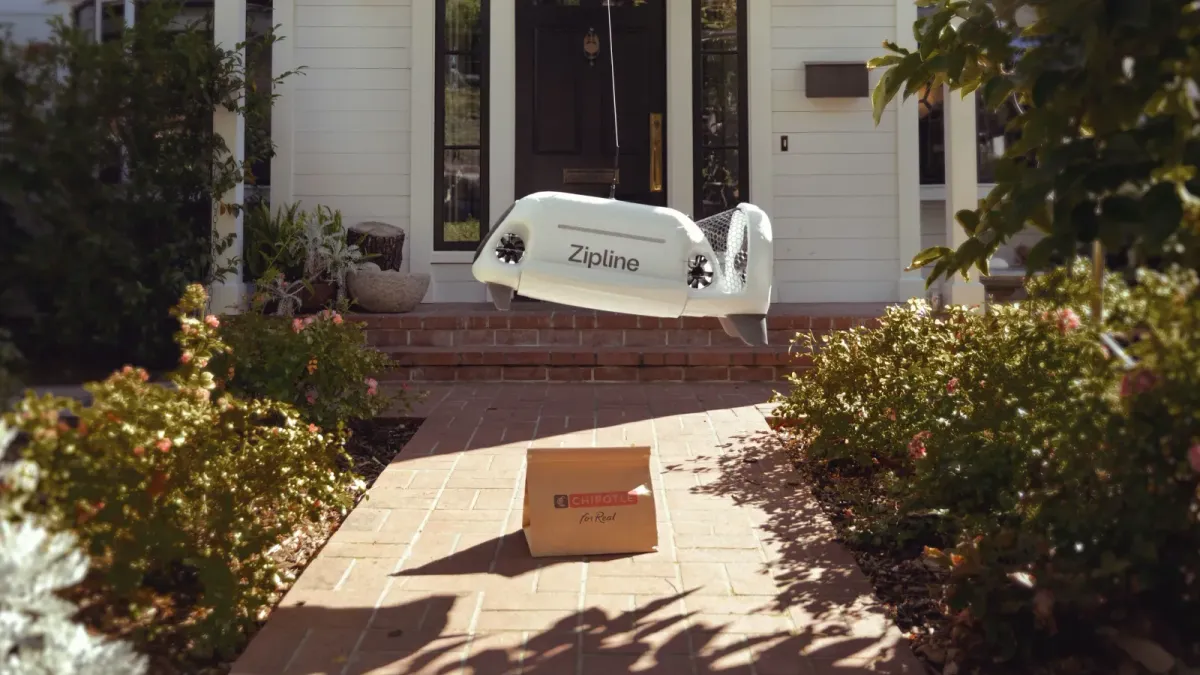
The aircraft cruises at 330 feet and about 70 mph, then holds a hover at 330 feet over the customer’s yard or driveway and lowers its pod on a tether. The FAA’s noise model found no location where the day-night average would cross its 65-decibel threshold, and it puts the visual exposure of any single point at about 15 seconds per overflight.
What the FAA did not model
The wildlife analysis rests on thin data, and the draft says so. It found only two recorded contacts between birds and drones in the United States, both ravens briefly touching hobbyist aircraft, and concludes that without baseline research a “sensible predictive model is not possible.” The FAA determined the operation “may affect but is not likely to adversely affect” the West Indian manatee, every listed bird species in the area and four sea turtles, and opened an informal consultation with the Fish and Wildlife Service on 28 August that had not concluded when the draft was signed.
Six national wildlife refuges and the Sam Houston National Forest sit inside the study area. The FAA notes these are “not currently included in Zipline’s fly less restrictions”; Zipline has committed to keeping 1,000 feet from any bald eagle nest it identifies, using iNaturalist records and local birders to find them.
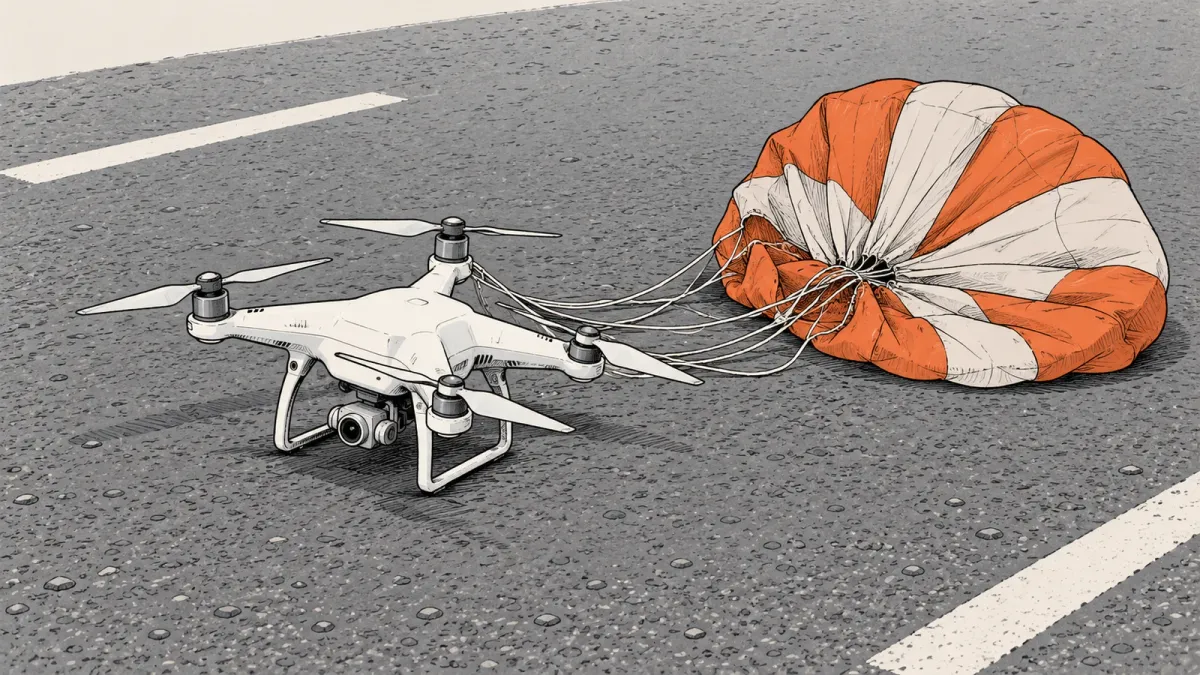
The FAA has not said what caused a Zipline aircraft to parachute onto Highway 6 in Cypress on 4 September, and the draft does not mention the event. Its flight-termination section describes a “paraland function”, ending a flight under parachute, which is what Zipline told KPRC 2 the Cypress aircraft did.
Derek Hufty, manager of the FAA’s General Aviation and Commercial Operations Branch, signed the draft on 11 September. Comments run for 30 days, to 11 October, by email to the agency’s drone environmental office. The FAA signed Wing’s Houston approval 101 days after publishing that draft.