

Drone Delivery
Drone Delivery Companies: Who's Flying What in 2026
Wing, Zipline, Amazon, Manna, Flytrex, Matternet, DroneUp — where they fly, what they deliver, and why certification was not the hard part.
Updated
21 news articles on Drone Delivery ↓
Every US drone delivery operator with a Part 135 certificate
The eight drone operators certificated as air carriers since 2019, in the order the FAA issued them, plus the two crewed cargo carriers the FAA has exempted to fly drones under certificates they already held.
Checked· Latest addition: DoorDash Labs,
- Covers
- Every drone operator with an FAA Part 135 certificate for package delivery, plus two crewed carriers flying drones by exemption, marked as such.
- Leaves out
- Permission to fly beyond sight: each location still needs its own waiver or approval.
Spotted an error? Email [email protected] with the row and the document that shows it.
10 of 10
| Operator | Certified | Status |
|---|---|---|
| Wing Aviation1 | April 2019 | Flying |
| UPS Flight Forward2 | September 2019 | Flying |
| Amazon Prime Air3 | August 2020 | Flying |
| Zipline4 | June 2022 | Flying |
| Causey Aviation Unmanned5 | January 2023 | Flying |
| Ameriflight6 | May 2023 (exemption) | Exempted crewed carrier |
| DroneUp7 | November 2024 | Exited delivery |
| Drone Express (DEXA)8 | April 2025 | Flying |
| M A A Inc (Direct2 / Beeline UAS)9 | September 2025 (exemption) | Exempted crewed carrier |
| DoorDash Labs10 | 29 July 2026 | Not yet flying |
| Nothing matches that search. | ||
Notes
- Wing Aviation The first US operator certificated to fly unmanned aircraft as an air carrier, initially as a single-pilot operator and on a standard certificate later that year. Alphabet subsidiary, flying for Walmart across nearly 20 US markets.
- UPS Flight Forward The first holder of a standard Part 135 certificate for unmanned aircraft. Its first commercial delivery flew medical supplies at the WakeMed hospital campus in Raleigh, North Carolina, using a Matternet aircraft.
- Amazon Prime Air The third certificate issued, and the first operator to fly an aircraft over 55 lb under one. Amazon said on 20 August 2026 it was flying from eleven US sites in ten metros, from Tolleson (Phoenix) to Waco, with Chicago, Syracuse, Cleveland, Atlanta and Boise announced next.
- Zipline The fourth certificate. Past two million autonomous commercial deliveries across four continents, several times any competitor, with US markets including Dallas-Fort Worth, Houston, Phoenix, Seattle and Detroit.
- Causey Aviation Unmanned Holds the certificate that Flytrex flies under. Flytrex operates the aircraft and the consumer service and does not hold a Part 135 of its own, which is why the certificate list and the brand list do not match.
- Ameriflight A Part 135 cargo airline since long before drones. On 30 May 2023 it announced FAA approval to add the Matternet M2 to its existing air carrier certificate, calling itself the first Part 135 cargo airline exempted to operate drones. Not one of the eight: the FAA’s list counts new drone operators, not existing carriers adding an aircraft type.
- DroneUp The sixth certificate, obtained months before the company exited drone delivery in early 2025 when its Walmart contract expired with no replacement named. The clearest evidence in the sector that certification and demand are separate problems.
- Drone Express (DEXA) The seventh certificate, which this table listed as unidentified until 20 September 2026. The FAA names Drone Express, Inc. of Dayton, Ohio, with on-demand small-package delivery using the Telegrid aircraft; the company calls itself DEXA and flies its DE-2020 hexacopter for Kroger, Papa Johns and Winsupply. Founder and chief executive Beth Flippo.
- M A A Inc (Direct2 / Beeline UAS) The FAA’s decision in docket FAA-2025-2257, posted 4 September 2025, allows Direct2 to conduct Part 135 package delivery with an unmanned aircraft under M A A’s existing certificate. Founder Toby Woods now trades as Beeline UAS, which Matternet named on 15 July 2026 as its third Part 135 operating partner after Ameriflight and UPS Flight Forward, for the San Francisco Bay Area and Los Angeles. Not one of the eight, for the same reason as Ameriflight.
- DoorDash Labs The eighth certificate, and the first held by a marketplace that already owned the demand. Flying under the name DoorDash Air from autumn 2026 on its own aircraft, with no launch cities named. Wing and Flytrex remain partners and are now also suppliers. Not yet on the FAA’s page as of 3 September 2026; the date is DoorDash’s own.
Where this comes from. Assembled by FlightBrief from the FAA’s Part 135 package-delivery page, which names seven operators in order of certification (last updated 3 September 2026) and refuses automated requests, so it was read in a browser; DoorDash’s own announcement of the eighth; the regulations.gov docket for the M A A Inc exemption; and the Ameriflight and Matternet releases. The FAA page lists drone operators that received a certificate, not crewed carriers that added drones by exemption, so the two exempted carriers are marked in the status column and are not part of the count of eight. Holding Part 135 does not authorise flight beyond visual line of sight — every location still needs its own waiver, exemption or approval.
Sources
- FAA, Package Delivery by Drone (Part 135), which names the operators in order of certification
- Regulations.gov docket FAA-2025-2257, M A A Incorporated petition (6 August 2025) and FAA decision (4 September 2025)
- Ameriflight, first Part 135 cargo airline to receive an exemption to operate drones, 30 May 2023
- Matternet, expansion of its Part 135 operator network to Beeline UAS, 15 July 2026
- FAA environmental assessments and findings for each operator’s delivery operations
- Contemporaneous reports of each certificate: Commercial UAV News and UAV Coach (Wing, 2019), Supply Chain Dive (UPS Flight Forward, 2019), CNBC (Amazon, 2020), Flying Magazine (Zipline, 2022), The Drone Girl (Causey Aviation Unmanned, 2023), Inside Unmanned Systems (DroneUp, 2024), DroneLife (Drone Express, 17 April 2025), DoorDash newsroom and TechCrunch (DoorDash, 29 July 2026)
Cite or reuse this table
FlightBrief, “Every US drone delivery operator with a Part 135 certificate”, checked Oct 7, 2026, https://flightbrief.news/topics/drone-delivery/#dataset-part-135-delivery-operators
Free to reuse, including commercially, under CC BY 4.0. Credit FlightBrief and link to this page.
Guide
Matternet’s M2 was the first non-military drone to earn an FAA type certificate, in September 2022. A production certificate followed that November. It also holds a Swiss operator certificate for flights beyond visual line of sight over populated areas. On paper it has the best regulatory position of any delivery drone company in the world.
Its revenue for the fiscal year to September 2025 was $392,739. Down from $542,974 the year before. The accumulated deficit stands at $145.7 million and the auditor’s report carries a going-concern paragraph.
Those numbers only became visible when Matternet started filing with the SEC in May 2026, and they are the most useful thing to happen to this industry’s public understanding in years. For most of a decade the story of drone delivery has been that regulation is the bottleneck — get the certificates, and the business follows. Matternet got the certificates.
The volume leaders are Zipline, past three million deliveries, and Wing, past one million with Walmart. Neither got there because of superior paperwork. They got there because they attached themselves to something that already had customers.
Key facts
- Eight US drone operators hold FAA Part 135 air carrier certificates for delivery, all named in the table on this page; two crewed cargo carriers, Ameriflight and M A A Inc (Beeline UAS), are exempted to fly drones under certificates they already held.
- Zipline has passed three million deliveries worldwide and Wing one million. Amazon Prime Air still listed eleven US sites on 12 October and says it will reach nearly 500 cities and towns by the end of the year.
- The FAA approved Wing for up to 75 nests and 30,000 deliveries a day in Houston on 13 August 2026, and Zipline for 75 sites and 30,000 a day in Dallas-Fort Worth on 23 December 2025. Zipline’s draft assessment for five more Texas metros, published 11 September 2026, asks for 220,000 a day. Fifteen states and Harris County sued on 28 September to overturn the FAA’s national environmental finding for delivery.
- Matternet, the only delivery drone maker with an FAA type certificate, reported revenue of $392,739 for the year to September 2025 and a going-concern warning.
- Part 108, the rule that would replace site-by-site BVLOS approvals, has been under White House review since 10 July 2026 and was still listed as pending on 12 October.
What Actually Gates Drone Delivery
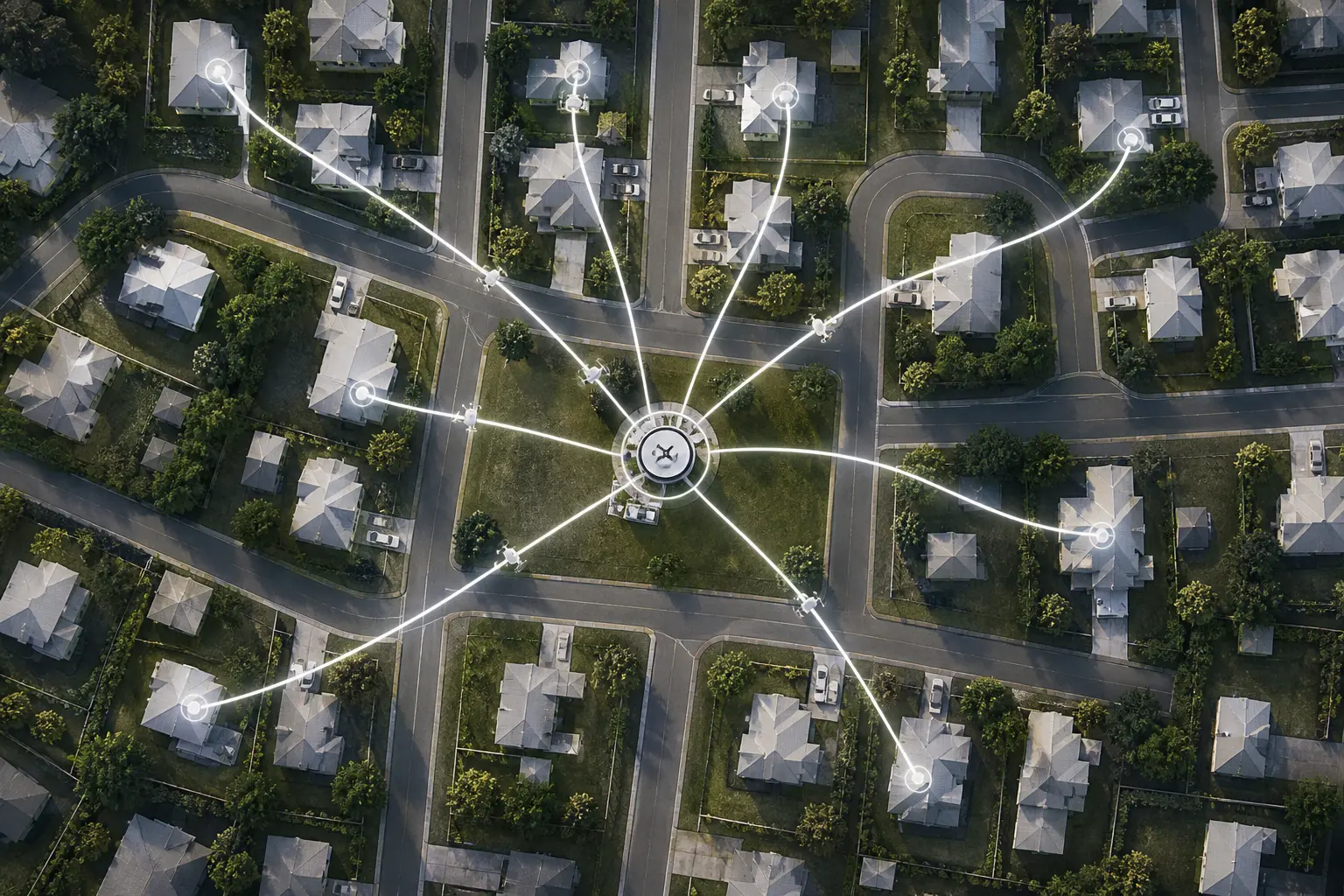
The table above is the certificate list. Eight US drone operators hold FAA Part 135 air carrier certification; the FAA’s page names the first seven in order and DoorDash announced the eighth itself. Part 135 is the legal foundation — without it you cannot run paid delivery over populated areas at any scale.
It is not sufficient, in two separate ways.
Operationally, Part 135 does not authorise flight beyond visual line of sight. Each location needs its own waiver, exemption or approval, which is why expansion in the US has been a series of individual negotiations with the FAA rather than a rollout.
That may be about to change. The FAA’s Part 108 rule, proposed in August 2025, would replace the waiver system with a standing framework for routine BVLOS covering aircraft up to 1,320 pounds. The final rule went to the Office of Information and Regulatory Affairs on 10 July 2026 — the last stop before publication. OIRA review normally takes up to 90 days, which ran out on 8 October, and the rule was still listed as under review on 12 October. Our BVLOS regulation guide covers where it stands in detail.
Commercially, and this is the part the sector understated, certification does not produce demand. Matternet and DroneUp both hold strong regulatory positions and neither has a business to match. DroneUp has Part 135 and lost its only major customer. The companies growing are the ones plugged into an existing demand channel: Walmart for Wing, health systems and now Uber Eats for Zipline, Wolt and Deliveroo for Manna, DoorDash and Uber for Flytrex.
Drone delivery is turning out to be a distribution business that happens to involve aircraft.
Legally, the FAA’s newer shortcut is under attack. On 28 July it signed a national environmental finding that lets it approve new delivery operations against one assessment instead of reviewing each site. Fifteen states and Harris County, Texas, petitioned the Second Circuit on 28 September to overturn it, arguing the agency skipped the hard look the National Environmental Policy Act requires. Towns are acting on the ground meanwhile: they cannot regulate the airspace, so suburbs around Denver are writing zoning rules for the launch hubs instead.
Wing — Alphabet’s Retail Network
Wing has the widest US retail reach. The Alphabet subsidiary announced an expansion with Walmart in January 2026 to 150 additional stores, and added seven more metros in July — Memphis, New Orleans, Philadelphia, Phoenix, San Diego, the San Francisco Bay Area and Salt Lake City — and on 5 October named Denver and Seattle for 2027, taking the partnership to nearly 20 US metros. Wing says more than three million customers can already order by drone. The target is more than 270 Walmart stores by the end of 2027, within reach of more than 40 million Americans.
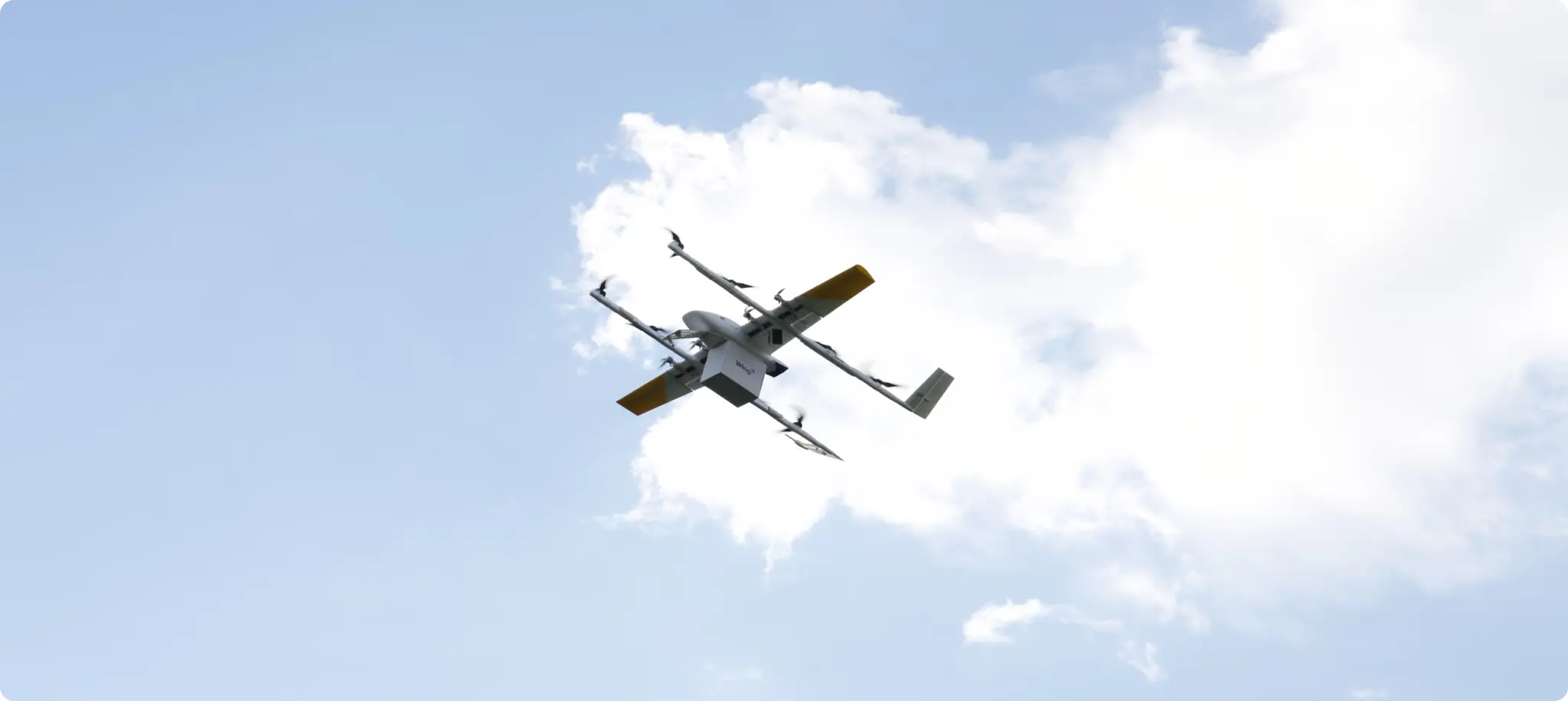
The partnership has passed one million commercial deliveries. Outside the US, Wing is most established in south-east Queensland, where it has flown from retail centres in Logan, Ipswich, Springfield and the Gold Coast for years.
The standard aircraft carries 2.5 lb, weighs 11 lb, cruises at up to 65 mph and flies a 12-mile round trip. A larger variant handles 5 lb. In March 2026 Wing got FAA approval for after-sunset delivery in Charlotte and Dallas-Fort Worth, one of the first night clearances in the US, which matters more than it sounds — evening is when people order dinner. In August the FAA signed final environmental findings for its Houston and Atlanta networks.
Wing takes no outside funding and sells through marketplaces rather than to consumers directly. Walmart for retail, DoorDash for restaurants.
Zipline — The Volume Leader
Zipline has passed three million autonomous commercial deliveries across four continents, several times any competitor; it gave “more than 2.5 million” in July and “more than 3 million” on 9 October. It started in Rwanda in 2016 flying blood and vaccines to remote clinics and expanded into Ghana, Nigeria, Kenya, Japan and the US. American markets include Dallas-Fort Worth, Houston, Phoenix, Seattle and Detroit, with partners including Panera, Chipotle, Crumbl, Little Caesars, Wendy’s and Memorial Hermann. US deliveries have grown around 15% week over week for seven months, and Zipline says it now serves more than 30 municipalities in four states. On 9 October it opened early access in Round Rock, outside Austin, for the first 5,000 residents.
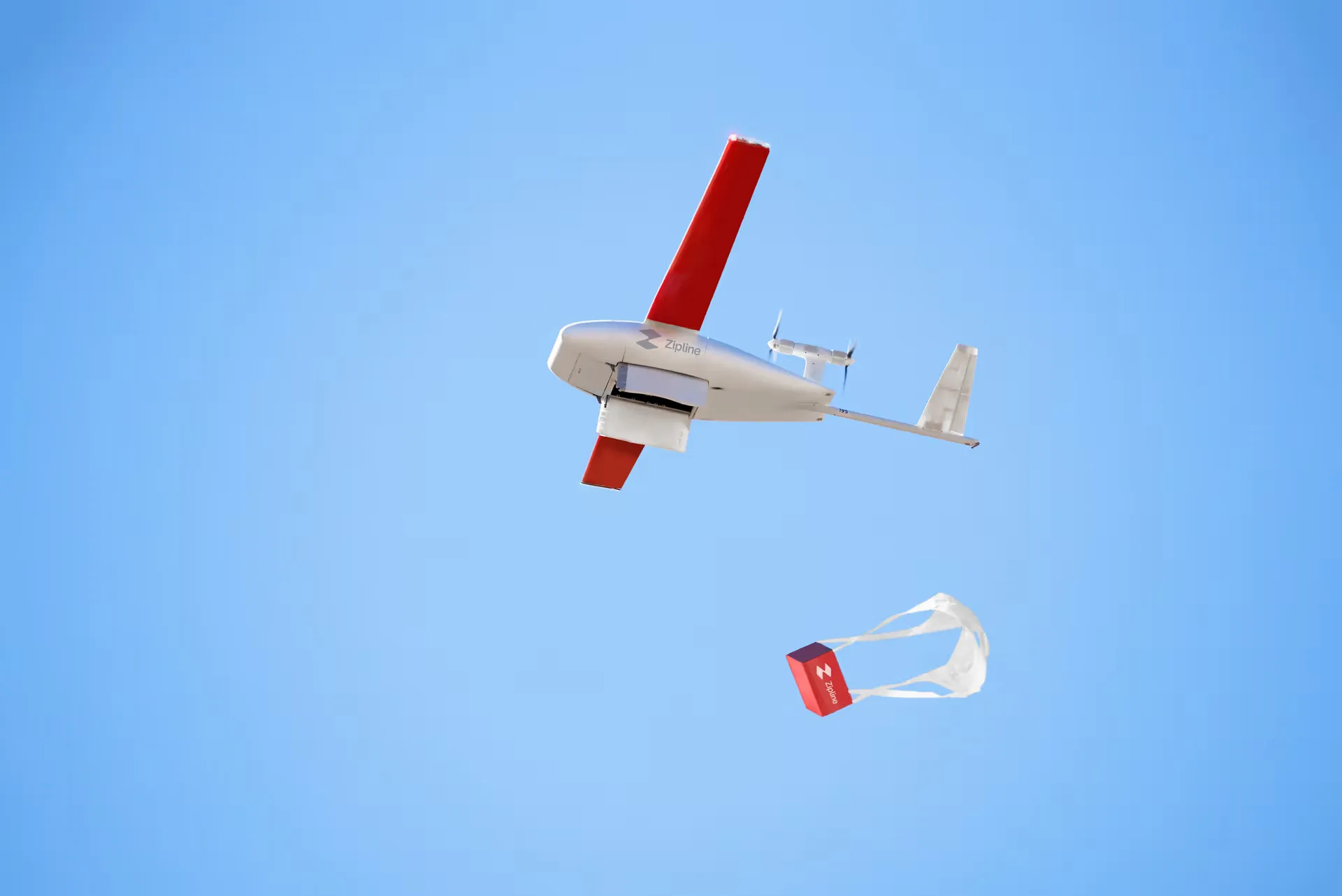
Two systems. Platform 1 is the long-range fixed-wing medical aircraft — 1.75 kg, 160 km round trip, roughly 100 km/h — built for government and health system contracts. Platform 2 is the suburban retail system: up to 8 lb, 24-mile range, with a tethered droid that lowers the package from a hovering aircraft, doing 10-mile deliveries in about 10 minutes.
Zipline closed a $600 million Series H in January 2026 at a $7.6 billion valuation and extended it by $200 million in March, for $800 million total. Investors include Fidelity, Baillie Gifford, Valor Equity and Tiger Global. Cumulative funding is above $1.7 billion, making it the best-capitalised pure play in the sector.
In August 2026 it signed with Uber Eats, targeting one million deliveries a day by 2029, starting in Dallas and Houston. Read that against three million deliveries in total since 2016 and you can see the size of the ask. It is the most aggressive scaling commitment anyone in this industry has made, and the clearest test of whether the unit economics behind a $7.6 billion valuation exist.
Amazon Prime Air — Big Company, Growing Footprint
Amazon has Part 135 and BVLOS approval and, on its own page as read on 12 October, eleven Prime Air sites in ten US metros: Tolleson (Phoenix), Ruskin (Tampa), Kansas City, Papillion (Omaha), Baton Rouge, Hazel Park and Pontiac (Detroit), Richmond (Houston), San Antonio, Richardson (Dallas) and Waco. Baton Rouge opened on 7 July 2026. Chicago, Syracuse, Cleveland, Atlanta and Boise are listed as coming soon; none had opened by 12 October. There is test activity in the UK near Darlington.
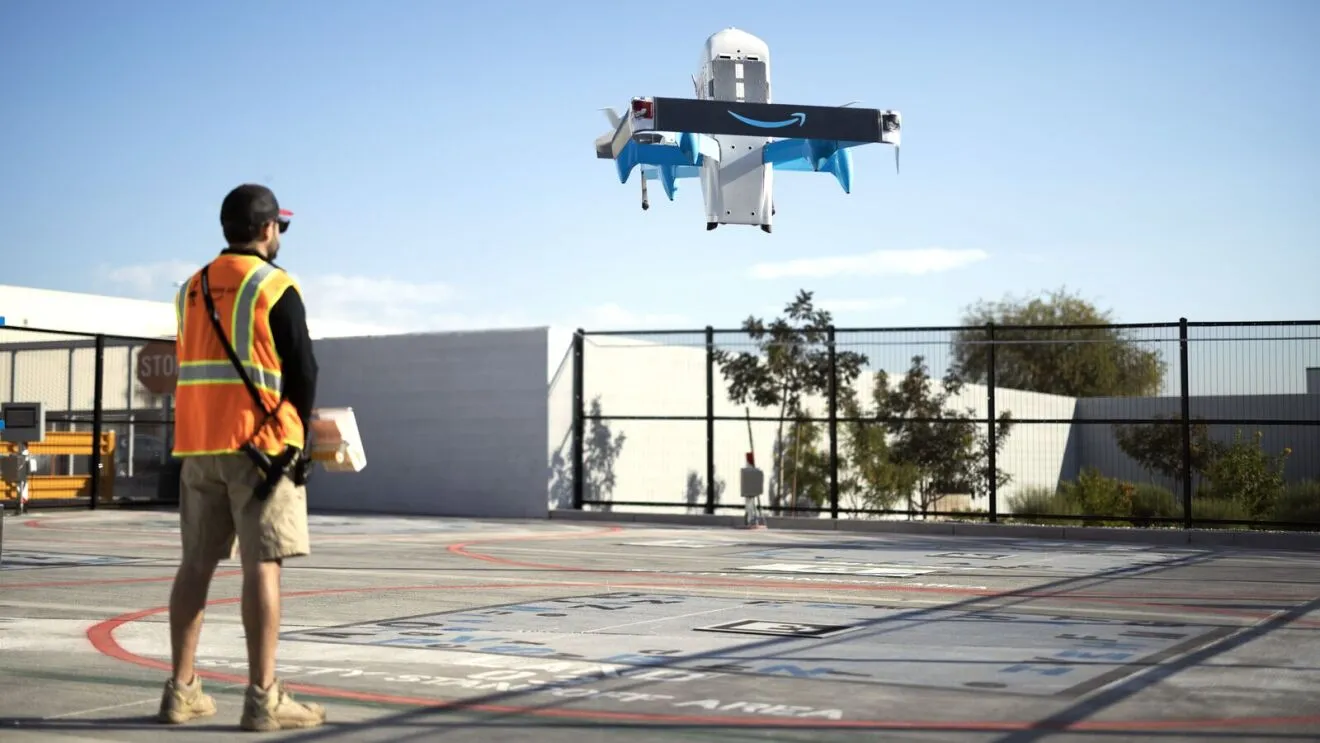
The MK30 has an 83.2 lb maximum takeoff weight, 7.5-mile range and 5 lb payload, targeting about 60 minutes from order. Amazon says more than 50,000 catalogue items qualify.
The company says it will reach nearly 500 US cities and towns by the end of 2026, a sixfold increase on that footprint, and that it has delivered “hundreds of thousands” of packages by drone in 2026. Treat the 500 as a statement of intent rather than a schedule — Prime Air has announced ambitious expansion before, publishes no cumulative delivery count, and drew NTSB and FAA scrutiny after a crane collision in Arizona in October 2025. Its Papillion site near Omaha made about 6,000 trips with twelve drones in July and August, the Flatwater Free Press reported, roughly a hundred a day.
Noise is becoming the local argument. Amazon’s own tests, published by the FAA, measured the MK30 at about 82 decibels 20 feet from the pad and 82 to 84 decibels hovering over a delivery. Amazon has told towns about 68 decibels, without giving a distance. North Myrtle Beach, South Carolina, votes on a launch pad on 20 October.
Prime Air exists to improve Amazon’s own same-day economics, not to win as a neutral delivery network. That makes it hard to read from the outside and easy to fund indefinitely.
Manna — Europe’s Consumer Specialist
Manna is the most established consumer drone delivery operator in Europe, based in Dublin 15 and Blanchardstown, with operations in Helsinki and Espoo through Wolt. Since 12 August it has also flown in the US, from a base in Tulsa, Oklahoma, with Dallas named next. The aircraft weighs 23 kg, carries 4 kg, cruises at up to 80 km/h and averages about 2 minutes 40 seconds per delivery. It flies in heavy rain and winds to 36 km/h, which in Ireland is not a specification you can skip.
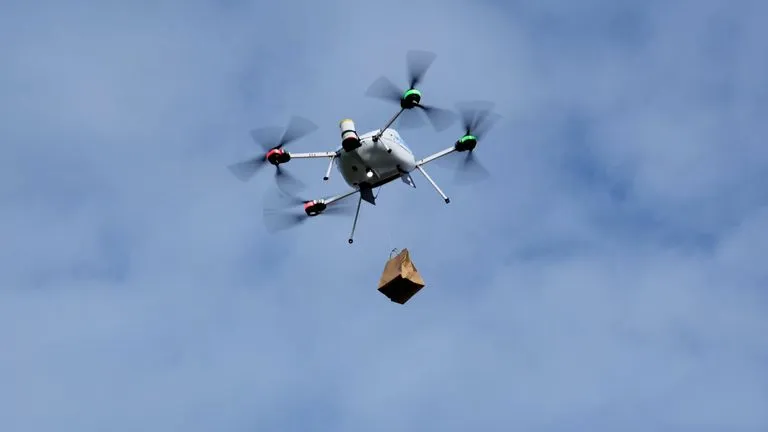
It passed 250,000 deliveries in early 2026 and said in July it had made almost 380,000, against a stated target of two million flights by year end. On 25 September it received a SAIL III operational authorisation from the UK Civil Aviation Authority, the level that covers beyond-sight flights over populated areas. Partners include Wolt and Deliveroo, with restaurant brands around Blanchardstown.
Manna raised a $50 million Series B in April 2026 led by ARK Invest, taking disclosed funding to roughly $110 million, with the Ireland Strategic Investment Fund, Schooner Capital, Coca-Cola HBC, Molten Ventures and Enterprise Ireland also in. The round funds expansion to 40 bases.
Local planning is where it has been stopped. Fingal County Council refused to let a Manna base at Coolmine stay in May, and Dún Laoghaire-Rathdown refused a hub at Dundrum in June, Irish media reported. In dense European residential neighbourhoods, local acceptance may bind harder than aviation approval.
Flytrex — Suburban US Food Delivery
Flytrex is the most focused US food operator, flying in Holly Springs and Raeford, North Carolina, and across Dallas-Fort Worth suburbs including Granbury, Little Elm, Frisco, Wylie and now Rowlett. It operates through Causey Aviation Unmanned, which holds the Part 135 certificate, rather than holding one itself.
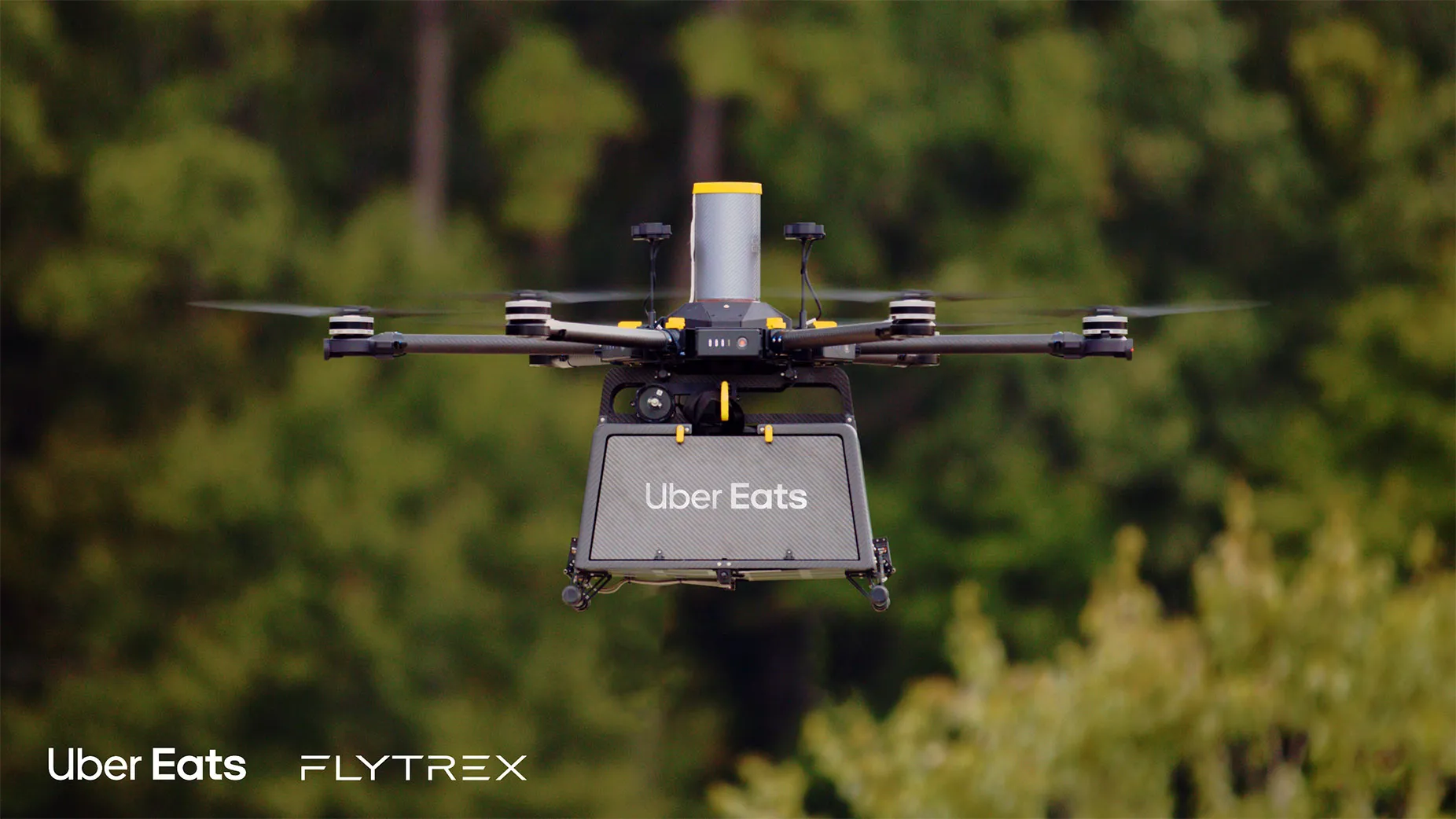
The Sky2 carries 8.8 lb — two large pizzas — up to 4 miles, averaging about 4.5 minutes from takeoff to delivery. Flytrex has passed 200,000 US deliveries and opened a facility at Pilot Point, Texas, to support expansion.
It raised a $40 million Series C, taking total funding to roughly $60 million. DoorDash launched joint delivery with Flytrex in Little Elm and Frisco in June 2025, and Uber invested in September 2025 for Uber Eats pilots. Those two integrations are the whole commercial story: they put Flytrex inside the largest US food marketplaces without having to build consumer demand itself.
Matternet — The Cautionary Case
Matternet was the certification leader, and its filings are the most instructive documents in the industry.
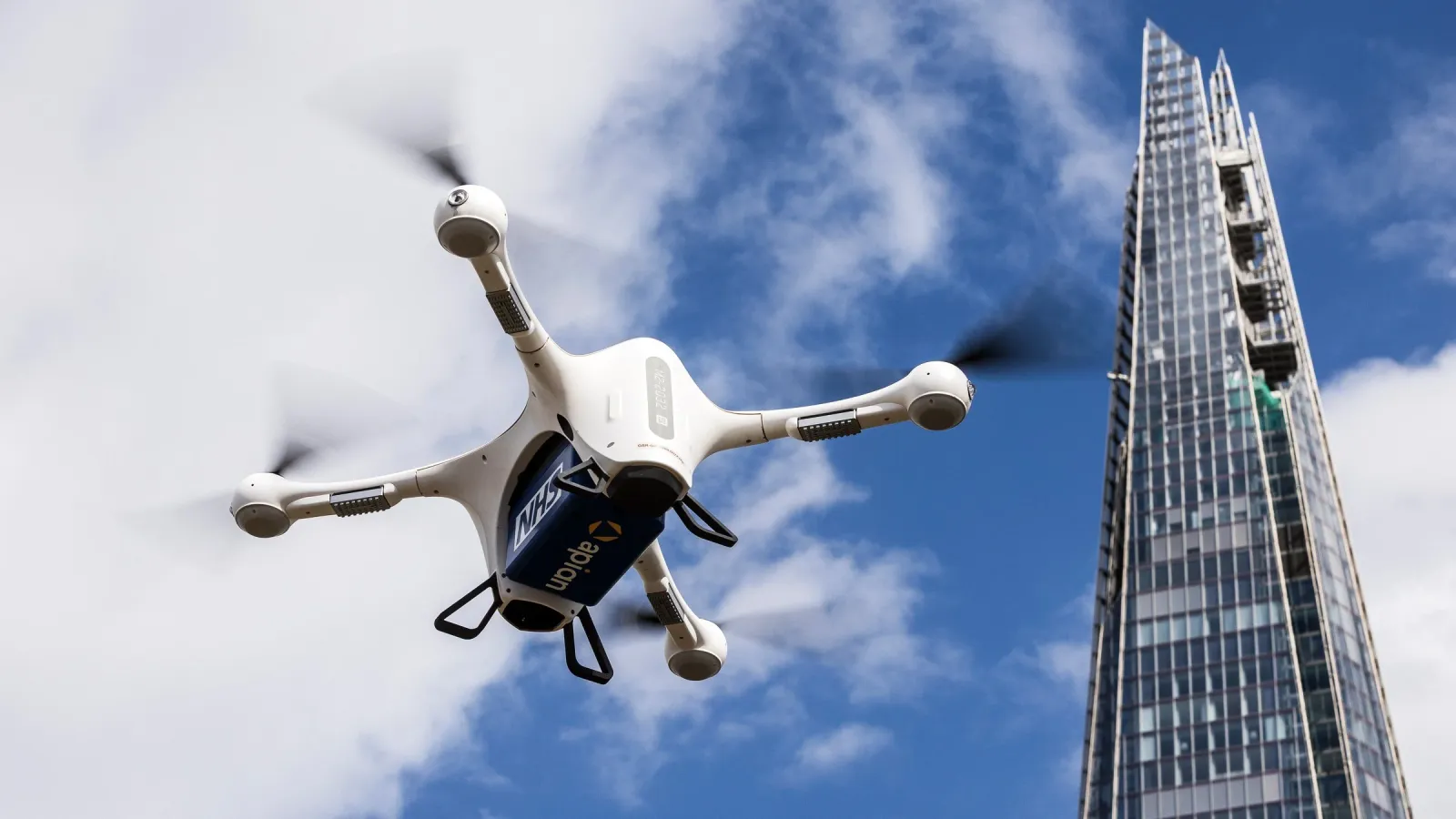
The M2 carries 2 kg up to 20 km and remains the only delivery drone with both FAA type and production certification. Matternet holds a Swiss FOCA operator certificate for SAIL III operations — BVLOS over populated areas — and has flown hospital routes in Switzerland for years. UPS Flight Forward has flown BVLOS with M2 aircraft in Florida, Ameriflight is approved to operate them for US healthcare customers, and in April 2026 Matternet launched NHS-linked operations in central London with Apian.
Then it went SEC-reporting in May 2026 and the commercial reality became visible. Revenue of $392,739 in FY2025, against cost of revenues of $597,601 — the service has never, in any disclosed period, sold for more than it cost to deliver. For the nine months to June 2026, revenue was $255,564 against costs of $534,496, a gross loss before any research, sales or administrative expense. One customer accounted for roughly 80% of revenue. The delivery-as-a-service line brought in nothing at all in those nine months.
Net loss for the nine months was $15.1 million. Cash stood at $23.1 million, which is the go-public money rather than anything the business generated. Management told the SEC it expects that cash to be depleted within twelve months on the current plan, and does not consider either new financing or sufficient cuts probable.
Matternet became a reporting company through a reverse merger with a shell in May. Its shares began trading over the counter on the OTCQB market on 21 September, under the ticker MTTN, not on a stock exchange, and the shares registered so far are for existing holders to sell: the company receives nothing from them. Its finance chief left on 29 September, and the chief executive took on the role. It carries public-company disclosure obligations without public-company financing access, which is exactly why we can see these numbers and not its competitors’. Its annual report for the year to 30 September is the next test of the going-concern warning.
A going-concern opinion is a statement about uncertainty, not a prediction of failure, and companies finance past them regularly. But the lesson generalises beyond Matternet: medical logistics is a genuinely valuable use case with genuinely small volumes, and being first through the regulator does not create a market.
DroneUp — Approval Without a Customer
DroneUp received Part 135 certification in late 2024, the sixth US operator to hold one, covering BVLOS expansion from its Murphy, Texas base with the Prism V2 — 55 lb maximum takeoff weight, 5-mile range.
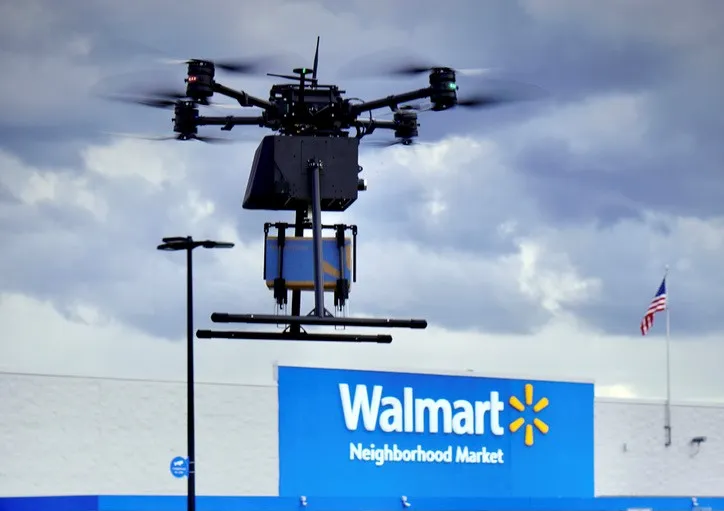
Walmart was its primary customer and ended the relationship after hub closures and cost problems, moving its drone investment to Wing and Zipline. DroneUp has not announced a replacement retail partner; its most recent announcement, in July, was airspace-management software rather than delivery. Disclosed funding is roughly $8-14 million, an order of magnitude below everyone else here.
It has the regulatory foundation and needs a customer. That is the same sentence as Matternet’s, written with different numbers.
DoorDash — The Marketplace Builds Its Own
DoorDash went the other way. It already had the customers, flew with Wing and Flytrex, and then announced its own Part 135 certificate in July 2026, which it calls the eighth for a US drone operator. On 30 September it unveiled its own six-propeller aircraft, with pilots planned in Northern California for Chipotle, Popeyes and Momo N Curry; it gave no dates. If DoorDash flies its own drones, the operators that rely on it for orders lose their easiest channel.
Where Is Drone Delivery Most Advanced Outside the US?
Australia is the most advanced real-world market, largely because Wing has flown there for years under CASA’s BVLOS process, with south-east Queensland the established region.
The EU has the most harmonised architecture on paper through EASA’s Open, Specific and Certified categories, SORA risk methodology and U-space. Ireland and Finland benefit directly and both are Manna markets. In practice U-space deployment has lagged badly, and EASA is now proposing a simplified “U-space Light” tier partly to unblock BVLOS. The UK moves separately through CAA trials and an urban drone roadmap, with Amazon, Apian and Matternet as the test cases.
Switzerland has the most mature medical drone permissions in Europe, built around Matternet’s certification and Swiss Post hospital networks. Rwanda and Ghana are advanced for a different reason: Zipline built national medical logistics infrastructure with government support, which shows the model scales when a government designs procurement around it instead of waiting for operators to force the issue.
How Large Will the Drone Delivery Market Be?
Forecasts vary wildly depending on definitions and BVLOS assumptions. McKinsey puts the US serviceable addressable market near $5 billion by 2035 with around 1.5 billion annual deliveries. Grand View Research has the global package delivery market going from $585 million in 2023 to $5.24 billion by 2030. PwC estimates roughly 800 million annual deliveries by 2034, moving about $65 billion in goods.
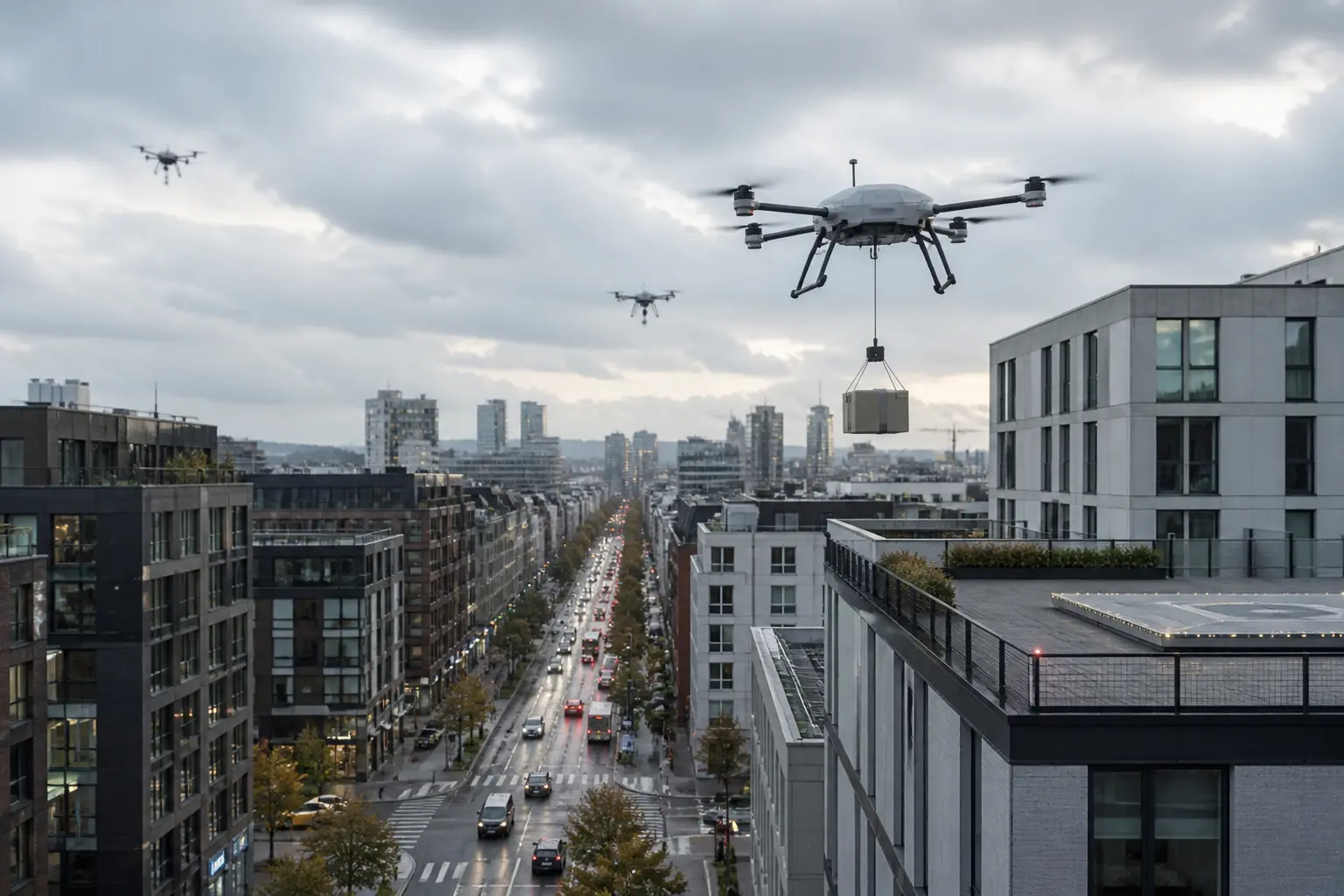
The defensible reading: by 2030 this is probably still a single-digit-billion-dollar global market. The 2035 upside is much larger and depends on three unsettled variables — whether BVLOS becomes routine, whether residents accept the noise, and whether major retailers treat drones as everyday fulfilment rather than a premium novelty.
Matternet’s disclosure adds a fourth. Nobody outside these companies has seen unit economics at scale, because almost none of them report. One did, and the numbers were worse than the sector’s public narrative implied.
What to Watch
OIRA clearing Part 108. The 90-day review from 10 July ran to 8 October 2026 with the rule still pending on 12 October, and it can be extended. Robert Reckert of the FAA told Commercial UAV Expo on 3 September the agency hopes to publish by the end of 2026. A final rule replaces site-by-site negotiation with a standing framework and is the single most consequential event for US operators.
The states’ lawsuit in the Second Circuit (docket 26-2726). A stay or a ruling against the national environmental finding would send the FAA back to site-by-site reviews.
Zipline against the Uber Eats target. One million deliveries a day by 2029, from three million total in a decade. Whether that number survives contact with 2027 tells you what the sector’s real ceiling looks like.
Whether Amazon gets anywhere near 500 cities. It was still listing eleven sites on 12 October, with less than three months left. The gap between the announcement and the footprint is the thing to measure.
Wing’s 270 Walmart locations by 2027. The largest test of retail drone delivery at scale. Execute without safety incidents or community backlash and the consumer model is validated; stumble and it sets the category back years.
Whether Matternet finances past its going concern, and whether anyone buys the certificates if it does not. The M2’s type and production certificates are the only pair of their kind, and they would be worth something to a better-distributed operator.
Manna’s two million flight target, more than five times its July count, and whether Irish planning refusals spread.
Which Companies Have FAA Approval for Drone Delivery?
Eight US drone operators hold Part 135 air carrier certificates for delivery: Wing, UPS Flight Forward, Amazon Prime Air, Zipline, Causey Aviation Unmanned (which flies for Flytrex), DroneUp, Drone Express (DEXA) of Dayton, Ohio, and DoorDash Labs. Two crewed Part 135 cargo carriers, Ameriflight and M A A Inc (trading as Beeline UAS), hold FAA exemptions to fly drones under their existing certificates and operate Matternet aircraft.
Can Drones Deliver Beyond Visual Line of Sight in the US?
Only site by site. A Part 135 certificate does not itself authorise beyond-visual-line-of-sight flight, so every location needs its own waiver, exemption or environmental approval, which is why the FAA’s Houston and Dallas-Fort Worth findings for Wing and Zipline each name a specific number of sites and daily flights. Part 108 would replace that with a standing framework and has been under White House review since 10 July 2026.
Is Drone Delivery Profitable?
No company has shown that it is. The only delivery drone maker that files accounts, Matternet, now traded over the counter, reported revenue of $392,739 for the year to September 2025 and a going-concern warning from its auditor; Zipline, Wing and Amazon do not publish unit economics.
Who Has Made the Most Drone Deliveries?
Zipline, which has passed three million deliveries worldwide, followed by Wing, past one million, most of them with Walmart. Manna said in July it had made almost 380,000. Amazon Prime Air flies from eleven US sites and publishes no total.
Sources
- FAA, Package Delivery by Drone (Part 135), which names the certificate holders in order.
- Regulations.gov docket FAA-2025-2257, the M A A Incorporated exemption for Part 135 package delivery with an unmanned aircraft, decided 4 September 2025.
- FAA, Public Involvement and Environmental Review for Drone Operations: the Zipline Dallas-Fort Worth finding, 23 December 2025; the Wing Houston finding, 13 August 2026; the Zipline Texas metros draft assessment, 11 September 2026.
- Amazon, Prime Air drone delivery expansion, 20 August 2026.
- Matternet, SEC filings from May 2026, for the revenue and going-concern figures, the OTCQB listing of 21 September and the finance chief’s departure.
- Zipline, Austin launch, 9 October 2026; Wing, Denver and Seattle, 5 October 2026; Manna, major US expansion, July 2026, and UK CAA SAIL III authorisation, 25 September 2026; DoorDash, DoorDash Air drone, 30 September 2026.
- Reginfo.gov, rules under review, for Part 108 (RIN 2120-AL82) on 12 October 2026; the states’ petition in New York v. FAA, Second Circuit No. 26-2726, 28 September 2026.
- Certification announcements for each operator, listed under the table above.
Coverage
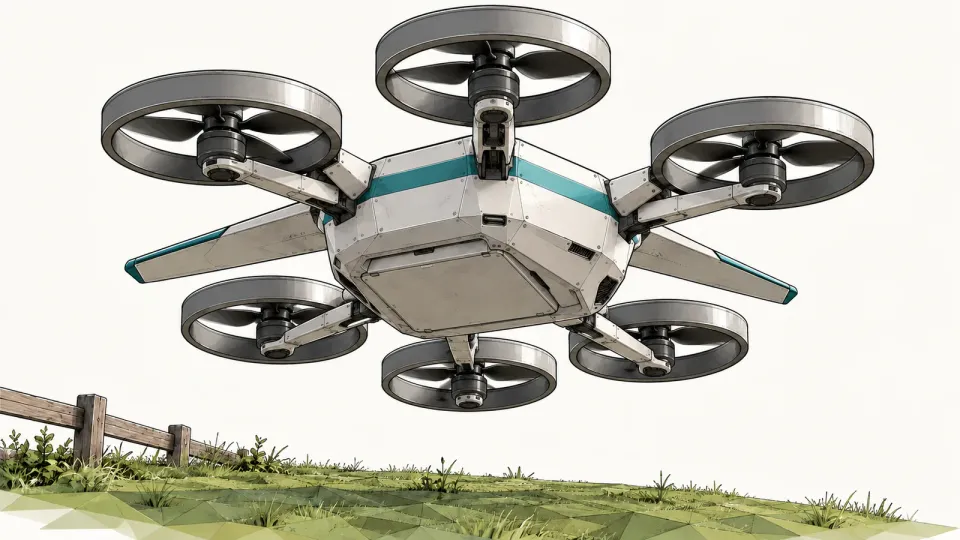
Amazon's Drone Hit 82 dB at 20 Feet in Tests It Gave the FAA
Amazon tells towns its delivery drone makes about 68 decibels. Its own measurements put that level about 75 feet away.
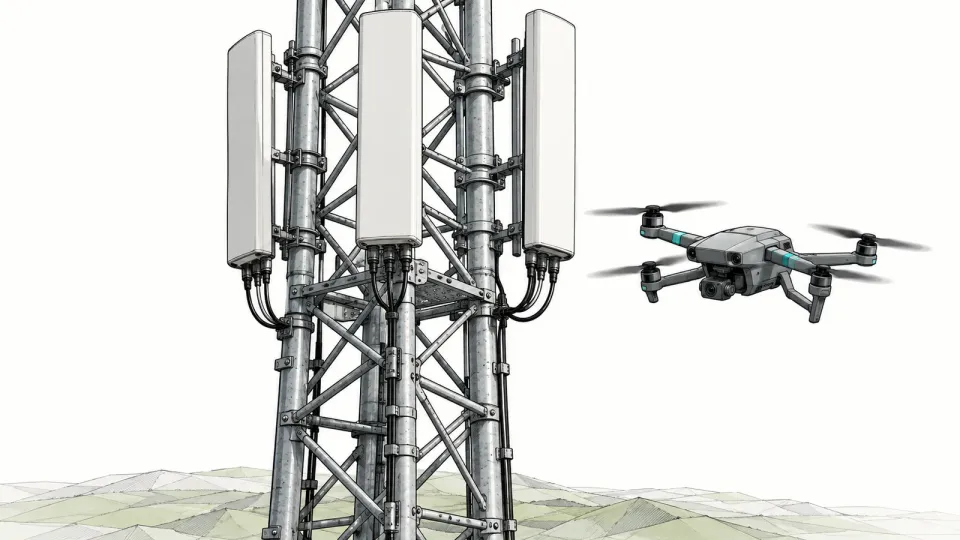
FCC Moves to Let Drones Use the 800 MHz Mobile Phone Band
The 1991 ban was aimed at phones on planes. AT&T and Verizon, which hold licences in the band, asked for the change.
Wing heads to Denver as suburbs write drone hub rules
Walmart had sought hub sites in Longmont, which does not allow them. Northglenn votes this month on keeping launch pads 200 feet from homes.
15 States Sue FAA Over Drone Delivery Environmental Finding
The petition asks an appeals court to throw out the July finding that lets the FAA approve delivery hubs without a separate review for each site.

Kite Aero Starts Geelong Production of Former Swoop Drone
A Zimbabwe operator can now fly it beyond sight, but the 100-plus units Kite Aero cites are a pipeline, with no orders disclosed.
Amazon's Omaha Drones Flew 6,000 Trips in Two Months
Twelve aircraft at one site, against an internal target of a million deliveries this year. The gap explains the expansion plan.
FCC Lets 200 Drones and 2,000 Pilots Test Cellular in Flight
A waiver to October 2029 lets DOT measure whether commercial mobile networks work at altitude, in bands that otherwise ban airborne use.
Wing Tells FCC Its Drone Rules Risk Grounding It
Wing, AUVSI and the Commercial Drone Alliance filed on the FCC's next round of Covered List rules. They split on the 65 percent US-content test.
Zipline Seeks 220,000 Drone Deliveries a Day in Texas
An FAA draft assessment would let Zipline fly 220,000 deliveries a day from 220 Chargers in five Texas metros, seven times its Dallas-Fort Worth ceiling.
Drone Delivery Hubs Now Face City Hall, Not the FAA
The FAA's July environmental finding removed site-by-site review for drone delivery hubs. City zoning and a court challenge are what is left.

Why a Drone on a Houston Highway Triggered No FAA Report
A Zipline drone parachuted onto Highway 6 on 4 September. No injury, no $500 of damage and no airworthiness certificate means no mandatory report.
DoorDash got an airline licence and kept its drone partners
DoorDash won FAA Part 135 certification in July and starts flying its own drones this autumn. Wing and Flytrex are partners, and now suppliers.
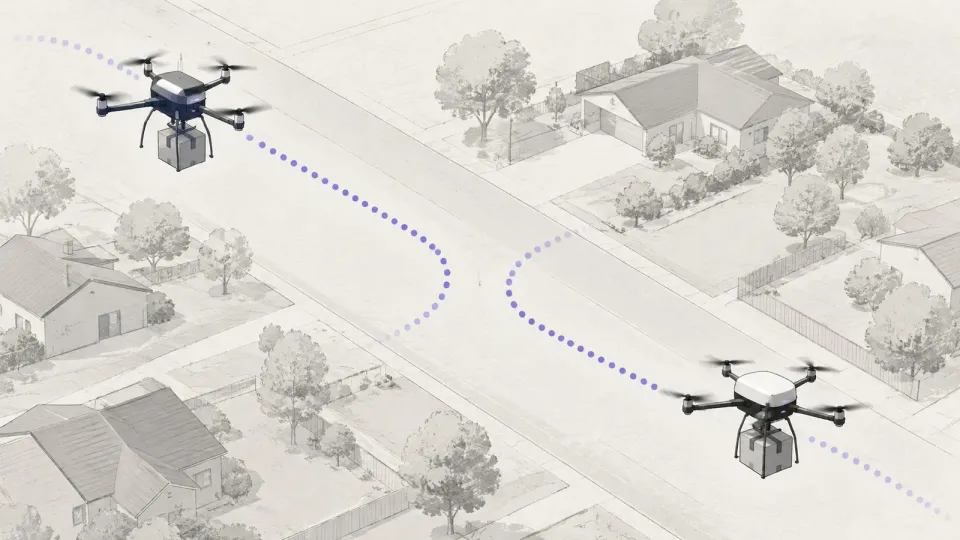
Wing and Flytrex share Dallas airspace, but not emergencies
The two flew 8,000 overlapping flights over two Texas suburbs with no conflicts. Neither system tells the other when an aircraft is in trouble.
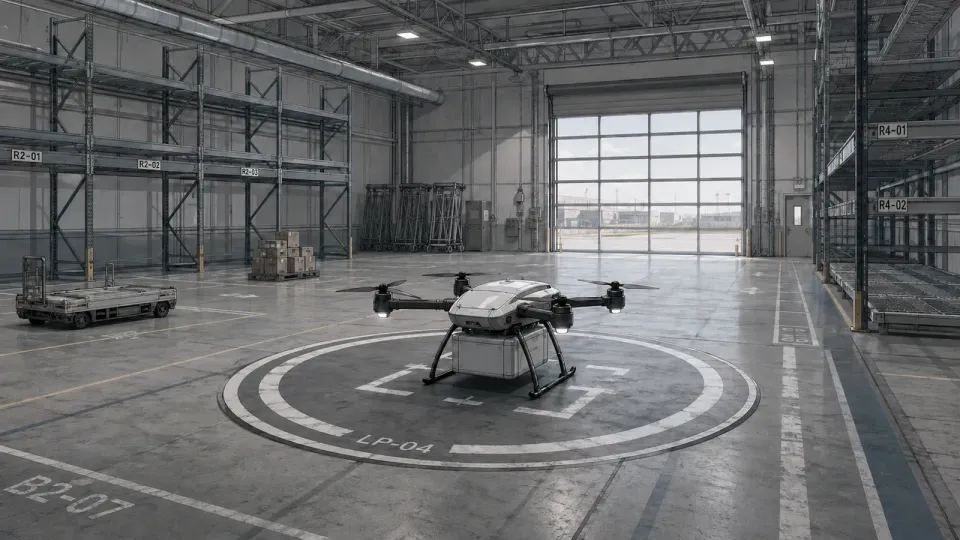
Matternet Warns on Going Concern With Revenue Under $400,000
Matternet's SEC filings show $392,739 of revenue in the year to 30 September 2025, a $145.7M accumulated deficit and an auditor going-concern opinion.
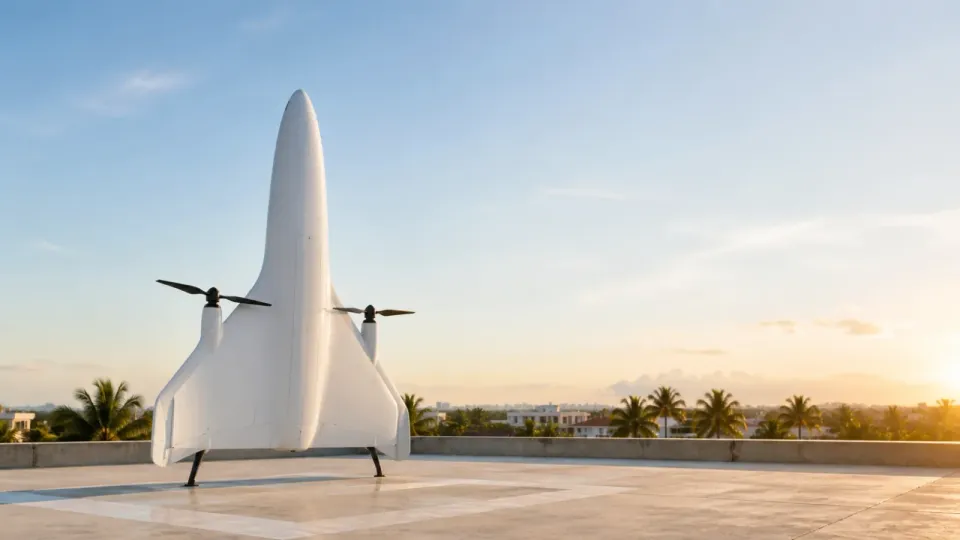
Airbound Raises $37M to Undercut Trucks on Delivery Cost
Airbound raised a $37M Series A led by Greenoaks for tail-sitter cargo drones, with DoorDash joining and a 10,000-flights-a-day network planned in India.
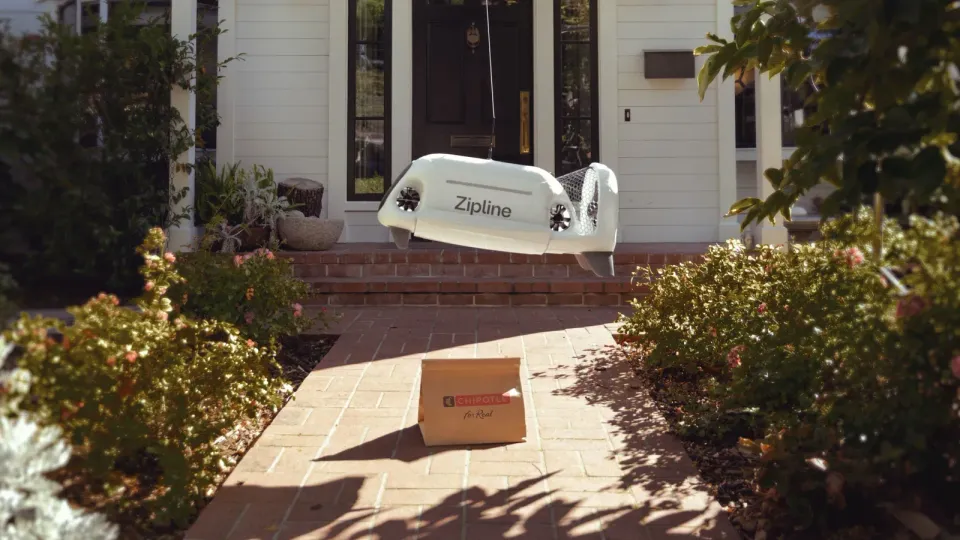
Chipotle Expands Zipline Drone Delivery to Two Texas Cities
Chipotle is expanding its Zipline drone delivery network to Fort Worth and Houston after encouraging early results in Rowlett, Texas.
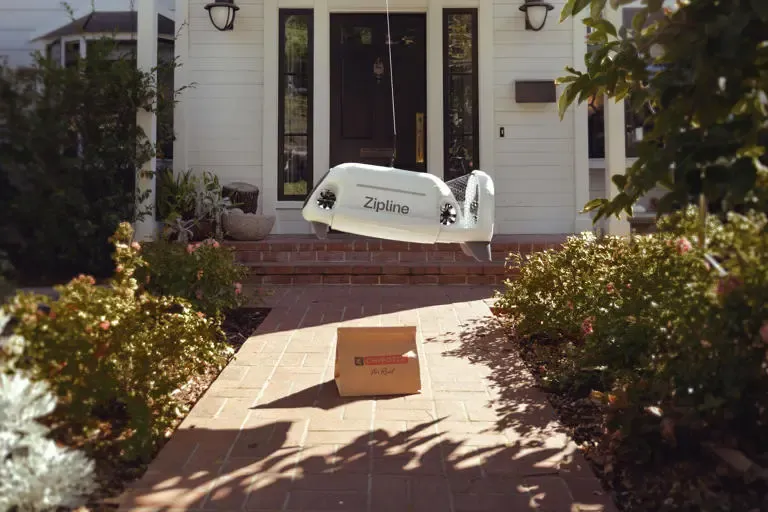
Flytrex Sky2 Can Deliver Two Large Pizzas by Drone
Flytrex's Sky2 octocopter launches with Little Caesars in Texas, carrying nearly 9 pounds of food per delivery.
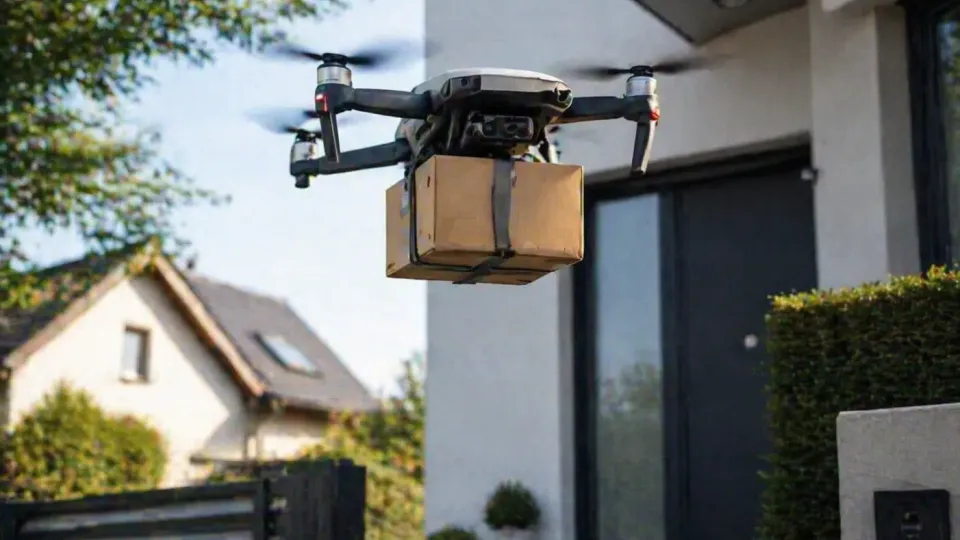
SoftBank Robotics Backs Matternet for US Drone Delivery
Matternet and SoftBank Robotics America partner to expand autonomous drone delivery in healthcare and enterprise logistics across the US.
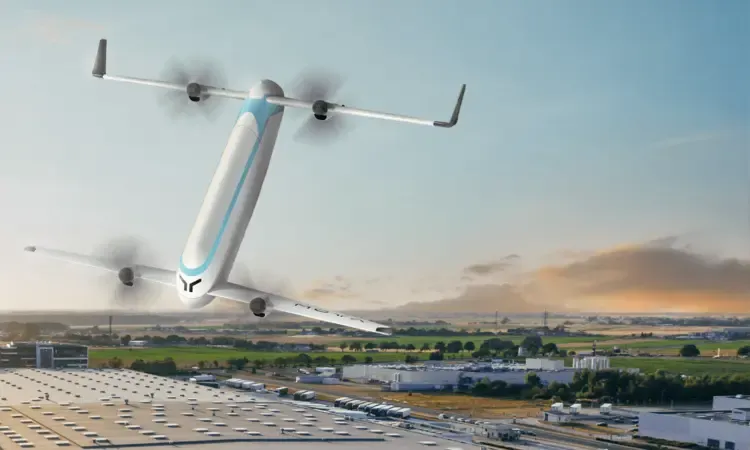
Speedbird and Moya Aero Partner on eVTOL Logistics
Speedbird Aero and Moya Aero have signed an MoU to explore combining Moya's tilt-body eVTOL with Speedbird's BVLOS drone logistics operations.

FCC Opens Drone Spectrum Review, Comments Due May 1
The FCC is asking how drones should access radio spectrum at scale, as BVLOS operations expose the limits of shared consumer frequency bands.
Companies
Wing
Alphabet's drone delivery subsidiary, operating commercial package delivery in the United States and abroad, largely with Walmart.
United States
Zipline
US operator of autonomous drone delivery networks, running medical logistics in Africa and consumer delivery in the United States.
United States
Amazon Prime Air
Amazon's drone delivery division, flying autonomous last-mile delivery in the US and UK and attempting a sixfold expansion of its service area in 2026.
United States
Flytrex
Israeli drone delivery company flying suburban restaurant orders in Texas and North Carolina for DoorDash and Uber Eats under Causey Aviation's Part 135.
Israel
Manna Aero
Irish drone delivery company operating commercial BVLOS delivery services in Ireland, Finland, and Texas with over 250,000 completed flights.
Ireland
Matternet
US drone delivery company whose M2 holds FAA type and production certificates, now SEC-reporting with minimal revenue and a going-concern warning.
United States
Skydio
US drone manufacturer building AI-powered autonomous aircraft, supplying NDAA-compliant enterprise and defense drones to agencies and operators.
United States
Airbound
Indian autonomous delivery company building blended-wing-body tail-sitter cargo drones designed to weigh less than the payload they carry.
India
Funding
Series B
ARK Invest, Ireland Strategic Investment Fund, Schooner Capital, Coca-Cola HBC, Molten Ventures, Enterprise Ireland, Tapestry
Manna AeroUndisclosed
Fidelity Management & Research Company, Baillie Gifford, Valor Equity Partners, Tiger Global
ZiplineContracts
Federal Aviation Administration
General Atomics Aeronautical Systems, Lighthouse Avionics, ResilienX, NAVMAR Applied Sciences, Devorto Corporation, ANRA Technologies, SPS Aerial Remote Sensing, DroneUp, OneRadio, Frequentis USA, Censys Technologies, Aerial Vantage, Skydweller US, Oklahoma State University
19 UAS Broad Agency Announcement research contracts for detect-and-avoid and airspace-integration…
U.S. Department of Homeland Security
Dedrone Defense, D-Fend Solutions, Leidos, Fortem Technologies, CACI, BAE Systems, EMS Defense Technologies, Booz Allen Hamilton, General Dynamics Information Technology, Parsons, Anduril Industries, Astrion
Five-year multiple-award counter-UAS IDIQ led by the DHS Science and Technology Directorate…
U.S. Air Force
General Atomics, Anduril Industries
Engineering and manufacturing development and production contracts for Collaborative Combat Aircraft…
U.S. Army
Anduril Industries
Three-year production framework with the Department of War for a minimum of 3,000 Surface-Launched…
U.S. Department of War
Anduril Industries
Contract modification adding $100.3M to upgrade the Space Surveillance Network with mesh networking…