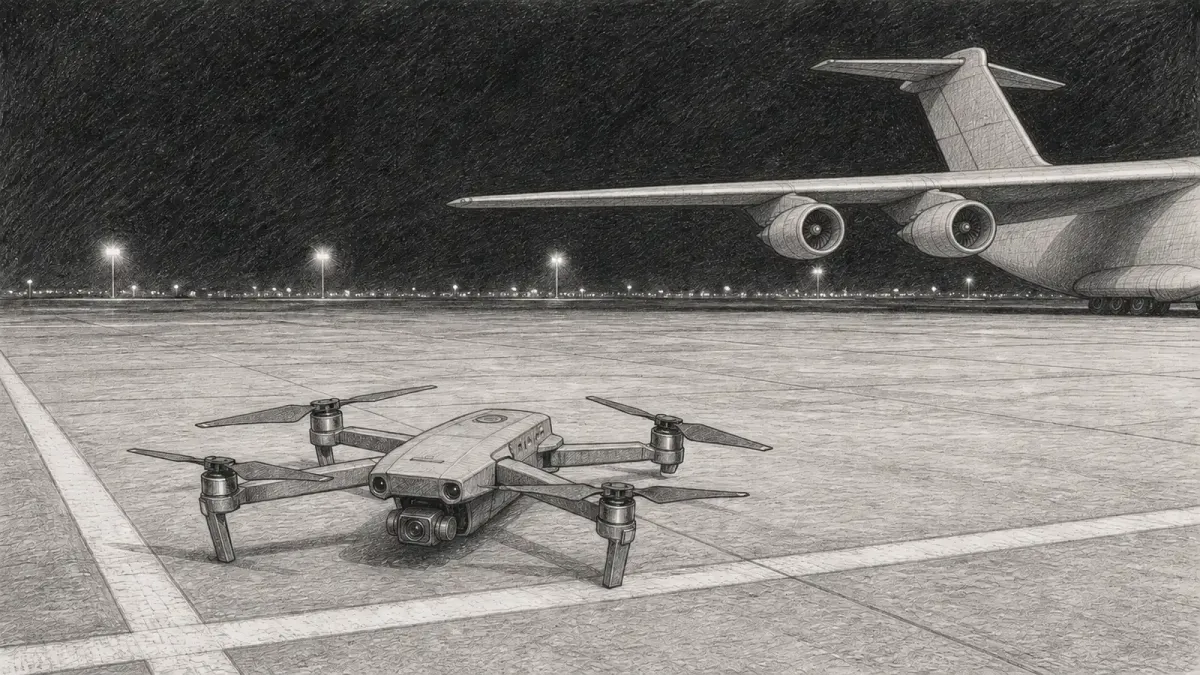

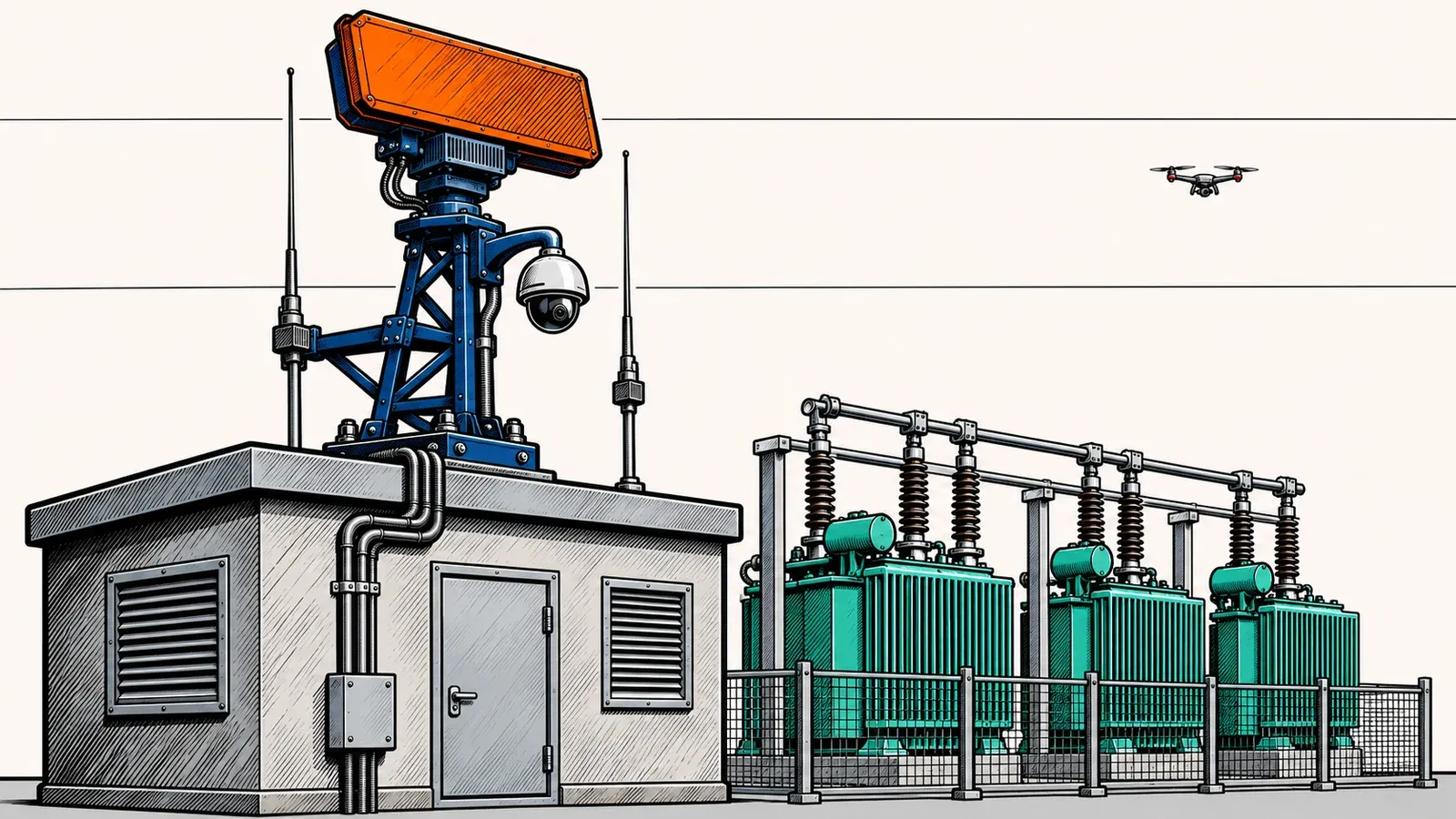
Austria presented a national drone protection strategy on 24 November, a 28-page plan that would let operators of critical infrastructure run their own counter-drone systems. It also plans a duty to report every drone flight in the country, with the aircraft’s serial number.
Chancellor Christian Stocker presented the strategy in Wiener Neustadt with the defence, interior and infrastructure ministers. The interior ministry published it, and seven ministries and bodies wrote it, among them the air navigation provider Austro Control.
Who may stop a drone
Operators have no legal basis to run such systems today. The strategy says a draft amendment to the Telecommunications Act 2021 would create one. Operators the state security service lists as critical infrastructure, and those designated under the law on the resilience of critical entities, could run “suitable” counter-drone systems once an authority approves it.
The amendment is not yet law; the strategy calls its passage “still open”. The permits, the conditions of use and the links to the state are still to be set.
The armed forces said a coordination office at the interior ministry’s special units directorate will advise companies on the technology. A drone situation centre will be set up inside the existing federal situation centre.
The interior ministry leads any response unless there is a military threat from abroad. The armed forces can support the police.
Every flight reported
Changes to the air traffic rules are drafted for the next amendment, the strategy says. One would require every drone flight anywhere in Austria to be reported, with the serial number of the aircraft. Another would require consent from air traffic control, through Austro Control’s Dronespace system, for flights in control zones.
The aim is to tell cooperative drones from the rest. Sensor detections would be matched against registrations, permits, geographic zones and reported flights.
Part of the legal work is already in force. Since 1 September a drone can be seized and forfeited after certain administrative offences. Since 1 October every federal ministry can set zones that restrict drone flights in its own field; before, only the infrastructure ministry could. From 31 March 2027 security authorities can query the drone registration database directly.
What gets bought
Both ministries plan purchases up to mid-2030. The interior ministry will buy two semi-mobile detection and defence systems by mid-2027 at the latest, in a project funded by the European Union. In the medium term it wants ways to bring drones down by force for police use.
The defence ministry’s plan centres on anti-aircraft guns and guided missiles. Austria has already ordered such weapons. In February 2024 Rheinmetall said Austria was buying 36 Skyranger 30 turrets, each with a 30mm cannon and Mistral missiles, on Pandur armoured vehicles. Rheinmetall put the order in the mid-three-digit million-euro range, with deliveries starting in 2026.
The strategy also wants a debate on faster procurement, so that counter-drone equipment can be bought as the technology changes.
No price yet
The strategy names no budget. It says the lead ministries will set out the legal, technical, staffing and financial requirements for each measure later.
It gives no count of drone incidents in Austria either. It cites sightings near the airports of Copenhagen, London, Munich and Leipzig, and over the North Sea.
Defence minister Klaudia Tanner called drone attacks “the greatest threat of the present”. The document she presented sets no date for the telecommunications amendment.